The first time I used Anna French fabrics in a bedroom, my client worried the pattern would feel too formal. She had a small room, a low ceiling, and two children who treated the upholstered bench like a launching pad. The finished space was calm rather than precious, because we used the fabric thoughtfully instead of covering every surface. That is the useful lesson with Anna French fabrics: the right print can give a bedroom personality without turning it into a showroom.
For most homeowners, the challenge is not deciding whether a beautiful textile is beautiful. It is figuring out where it belongs, how much to buy, and what should surround it. Here is how I would approach these fabrics in a primary bedroom, guest room, or child’s space.
What Makes These Fabrics Work in a Bedroom
Anna French fabrics are often associated with decorative patterns, soft color combinations, and a traditional-meets-fresh feeling. That makes them especially useful when a bedroom needs warmth. A small floral can soften a boxy modern bed, while a larger botanical print can make plain walls feel intentional. Stripes and quieter geometrics can provide structure when the rest of the room includes curved furniture or layered bedding.
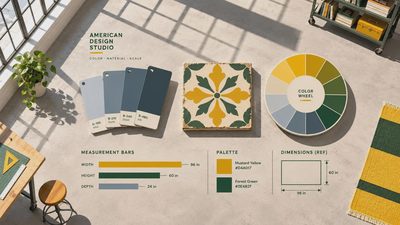
The key is repetition. Pull one color from the fabric into a pillow, lamp shade, painted dresser, or small rug. You do not need an exact match. In fact, matching every item too closely can make the room feel staged. If a fabric includes dusty blue, cream, and olive, try cream bedding, a blue-gray wall, and an olive velvet lumbar pillow. The colors will relate without competing.
I usually begin with the bed because it is the largest visual object. A patterned bed skirt, upholstered headboard, or pair of Euro shams can establish the palette. In a smaller room, use the textile on one decisive feature rather than spreading it across curtains, pillows, and a bench.
How Much Pattern Is Enough?
Here is what I did in my own room: I chose one fabric for a pair of 20-inch pillows and left the duvet plain. That small decision saved money and made changing the bedding easier. When I get bored, I can replace two pillow covers for roughly $60 to $160 rather than reupholster an entire headboard.
A reliable bedroom formula is one main pattern, one supporting texture, and one quiet solid. Anna French fabrics can serve as the main pattern. Add washed linen, cotton matelassé, a nubby wool throw, or a simple velvet. The supporting texture keeps the room from looking flat, while the solid gives the eye somewhere to rest.
Scale matters just as much as color. A large botanical can look wonderful on full-length drapery but overwhelming on a small accent pillow. A tiny floral may disappear on a king-size headboard. Before ordering, tape newspaper to the furniture in the approximate pattern size. Step back from the doorway and photograph it. Your phone will show whether the print reads as a gentle background or a visual shout.
For a queen bed, two 20-inch decorative pillows may be enough. A king bed can handle three, but resist filling the entire mattress with pillows you have to move every night. The bedroom should work at 9 PM, not just look good at 2 PM.
Choosing Color for Better Sleep
Bedrooms benefit from colors that feel settled, especially when the pattern is lively. Look for softened versions of the fabric’s strongest shade: chalky green instead of emerald, smoky blue instead of cobalt, or warm clay instead of orange. These colors are easier to live with under morning sunlight and dim evening lamps.
Anna French fabrics do not require a traditionally decorated room. I have seen patterned textiles work with a simple oak bed, a black metal nightstand, or a flat-front dresser from IKEA. The contrast is what keeps the room current. Add a modern reading lamp, such as a plug-in sconce in aged brass or matte black, and keep the hardware straightforward.
If the room faces north or has the gray light common in older San Francisco apartments, warm cream and muted rose can prevent the space from feeling cold. In a bright south-facing room, blue, sage, and faded yellow can balance the stronger daylight. Always view a fabric sample near the window, beside the headboard, and under the lamp you use at night. A color that looks gentle in a store can become surprisingly intense after dark.
Curtains, Upholstery, and Everyday Wear
Window treatments are one of the most effective uses for Anna French fabrics because they bring pattern upward and make a bedroom feel finished. For working curtains, I prefer a lined panel with enough fullness to create soft folds. A pair of decorative panels may cost about $300 to $900 in fabric and basic labor, while custom construction can run higher depending on lining, trim, and installation.
If full curtains are outside the budget, use the fabric on a Roman shade or a single upholstered cornice. A patterned shade over a plain woven roller blind can provide privacy and still let you control morning light. For a child’s room, choose a washable or durable fabric where possible, and keep cords safely managed according to current window-covering safety guidance.
Upholstery needs a little more caution. A headboard receives less direct contact than a bench, so it can handle a delicate print more easily. A bench at the foot of the bed needs a sturdy construction and a fabric suited to regular use. Ask the vendor for cleaning instructions and durability information before ordering several yards. A $1,200 custom bench is not a bargain if it cannot survive shoes, laundry piles, and a seven-year-old’s Lego sorting session.

Building a Room Around One Special Textile
Start with the room’s existing pieces rather than designing from a blank catalog page. Photograph the floor, wall color, wood tone, and metal finishes. Then place a fabric sample beside each one. Anna French fabrics often contain enough visual information to guide the rest of the scheme, but they should not dictate every decision.
For example, a floral with faded blue and tan could pair with a natural oak nightstand, ivory percale sheets, a $100 to $200 ceramic lamp, and a rug with a restrained border. A more graphic print might need solid bedding, a plain jute rug, and only one decorative object on each nightstand. If the room already has a busy rug, choose the textile for a headboard or pillows and keep the windows simple.
In a guest room, use the fabric on a headboard and one lumbar pillow so visitors have a comfortable, welcoming space without an overly personal scheme. In a primary bedroom, curtains can create the most impact. In a child’s room, a small upholstered reading cushion or removable pillow cover is easier to update as interests change. Sophie once requested hot pink curtains, and we compromised with a quieter base fabric plus a bright trim. She still says she won.
A Simple Weekend Plan
This weekend, choose one bedroom surface for pattern: pillows, curtains, a shade, a bench, or a headboard. Measure it carefully, then order a sample before buying yardage. Place that sample in the room for one full day and view it in natural light, lamplight, and the untidy reality of bedtime.
If Anna French fabrics feel like too much for your space, begin with two pillow covers. If the sample makes you smile each time you walk past, expand the idea to one larger feature. Keep the rest of the room uncomplicated, comfortable, and useful. Your bedroom does not have to be perfect. It just has to be yours.