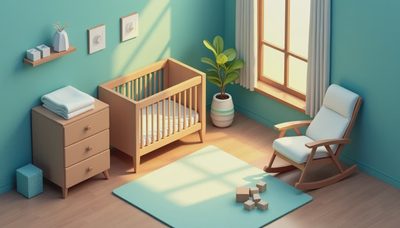

My daughter Sophie likes to leave pencil drawings on every flat surface, including the top of my closet dresser. In our San Francisco flat, that one piece has to do a lot: hold folded clothes, keep socks from vanishing, and survive the daily rush where nobody wants to hunt for a shirt. If you're thinking about a closet dresser, I would start with the same question I ask clients: what do you need to reach in the dark, before coffee, on a Tuesday?
What it actually needs to do
A closet dresser is not just a prettier box with drawers. In a primary bedroom, it should replace the messy pile that grows on the closet floor. In a kid's room, it should keep pajamas, school clothes, and backup socks where a child can reach them without emptying every drawer. In a guest room, it should make an overnight stay feel simple: one drawer for tees, one for toiletries, one for extras. The best version lets you move faster, not just store more. I like pieces with drawers at two different depths, because one shallow top drawer handles jewelry, belts, and chargers, while deeper lower drawers swallow sweaters and denim. That is the difference between a room that looks styled and a room that functions.
When I first designed bedrooms for clients, I watched how they opened drawers at the end of a long day. People do not want a storage system that asks for a performance. They want the towel stack to stay folded, the socks to stay paired, and the morning routine to feel calm. If a piece forces you to bend, reach, or rearrange every time you use it, it is taking more than it gives.
Measure before you order
A closet dresser lives or dies by the measurements. Standard dressers are often about 18 to 20 inches deep, which works in many bedrooms, but a closet alcove can be tighter once you account for trim, doors, and outlets. Leave enough room behind the piece for baseboards and any cords, and leave enough room in front for drawers to open all the way without hitting a bed frame or closet door. I have seen a beautiful piece arrive on moving day only to learn the top drawer struck the hanging rod by half an inch. That kind of mistake is expensive and annoying.
If you are building around an existing closet, measure the width at the narrowest point, not the widest. Old houses especially can surprise you. In my Victorian flat, nothing is perfectly square, which means I measure left wall to right wall, floor to rod, and floor to ceiling before I shop. I also sketch the path from the doorway to the closet, because a dresser that fits on paper can still get stuck on a corner or a radiator.
One more detail matters more than people expect: drawer clearance. If the closet door is bifold, sliding, or swing-open, test how far the drawers need to come out. A closet dresser should open smoothly with one hand. If you have to wiggle around the door every time, the layout is wrong.
Hardware and materials worth paying for
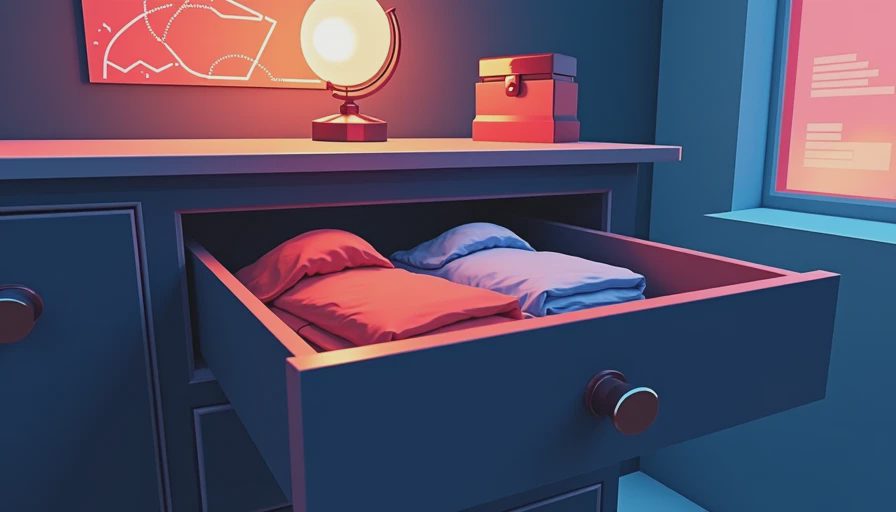
The hardware is where a closet dresser earns its keep. Full-extension drawer slides let you see the whole drawer instead of losing T-shirts at the back. Soft-close is nice, but smooth movement matters more than the label on the box. If the piece is tall or narrow, anchor it to the wall. That is not a luxury feature; it is basic safety, especially in a kid's room.
For materials, solid wood and thick plywood usually hold up better than very thin particleboard, but budget pieces can still work if the joinery is decent. I have used IKEA MALM in guest rooms when I wanted a clean look and a lower price point, and it usually lands in the $200 to $400 range depending on size. It is not the heirloom option, but for lighter use it does the job. On the other end, a solid wood dresser from Room & Board or Crate & Barrel can run from about $900 to $1,800 and feel steadier for years of daily use. If you want a modular setup, The Container Store Elfa or IKEA PAX with drawers can turn a closet wall into a more custom-looking storage zone without the cost of full millwork.
The finish matters too, but not as much as people think. A durable lacquer or melamine surface will usually beat a fragile pretty finish that chips the first time a belt buckle catches it. For a closet dresser, I would rather have a surface that wipes clean than one that looks delicate on day one and tired by month six.
Room-by-room setups that actually work
For a primary suite, I like a low, wide piece that can hold folded clothes on top of the closet plan, plus a lamp or tray if the room is large enough. It should feel calm and easy, not crowded. For kids, I prefer fewer, deeper drawers because they are easier to label and easier to keep organized. Sophie can open a wide drawer and toss in leggings, but a tiny compartment system never lasts long in her room. For guests, a closet dresser near the hanging rail is a gift. People can unpack a suitcase once and feel settled instead of living out of a zipper bag.
Here is what I did in my own room after one too many mornings spent searching for socks: I replaced a bulky storage piece with a lower closet dresser and moved rarely used items to the top shelf. The room looked lighter, but the real win was speed. Socks stayed together, workout clothes stayed in one drawer, and pajamas stopped migrating to the chair. That is what good storage does. It removes tiny decisions that wear you down before the day even starts.
You can also use the same thinking in a guest room or apartment bedroom where floor space is tight. A narrow dresser can sit inside a closet opening, while a deeper one can live outside the closet and act like a landing spot for jewelry, a watch, or tomorrow's outfit. The point is not to fill every inch. The point is to make the room easier to use.
A simple weekend plan for choosing one
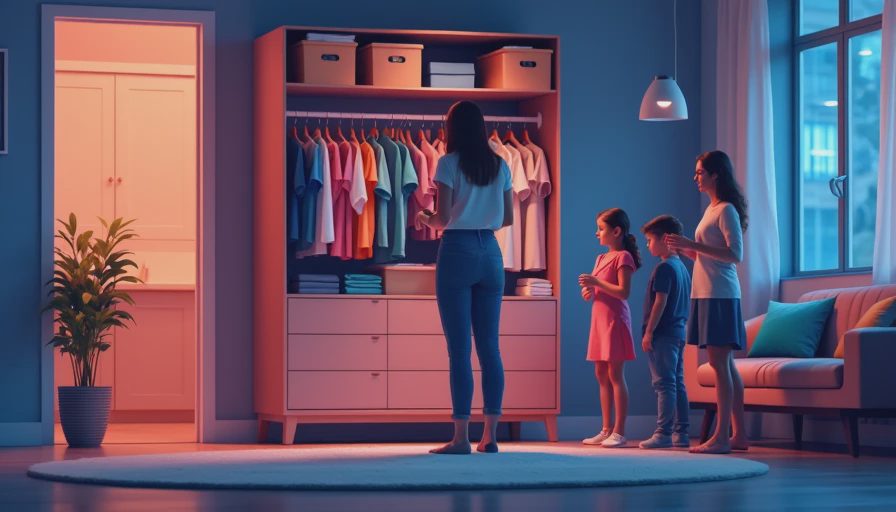
If you want a faster decision, start with the clothes you actually fold. If most of your storage is T-shirts, sleepwear, and denim, you need different drawer depths than someone storing bulky sweaters. Then write down the exact width, height, and depth you can give the piece without blocking the closet or crowding the bed. After that, compare two options side by side: one budget-friendly dresser and one sturdier model with better slides. The price gap is often smaller than people expect once delivery, assembly, and years of use are part of the math.
I would also look at how the top of the piece will work. Some bedrooms need a clean surface for a lamp and a cup of water. Others need every inch of storage hidden away. If the top becomes a dumping ground, choose a lower profile. If you want the room to feel finished, style it with restraint and leave open space.
This weekend, measure the closet opening, decide what will live in the drawers, and price two versions before you buy. Your bedroom doesn't have to be perfect. It just has to be yours.