The first time I saw zebra wallpaper used well, it was not covering every wall of a dramatic hotel bedroom. It framed a quiet reading corner, paired with warm white paint, a linen headboard, and one very good brass lamp. That is the secret behind how to use zebra wallpaper in bedroom design: treat the pattern as architecture, not noise. Used thoughtfully, it can make a plain room feel layered, personal, and surprisingly restful.
Zebra print is bold because it combines high contrast with an organic shape. That does not automatically make it unsuitable for sleep. The scale of the stripes, the background color, and the amount of wall you cover matter more than the animal-inspired label. Here is how I would approach it in a real home, where laundry baskets exist and nobody wants to wake up feeling trapped inside a pattern.
Choose the right wall before choosing the paper
The easiest place for zebra wallpaper is usually the wall behind the bed. It gives the pattern a clear purpose and creates a visual headboard, especially when the bed frame is simple. In a 10-by-12-foot bedroom, covering a 10-foot-wide feature wall could cost roughly $150 to $600 for peel-and-stick paper, depending on the brand and pattern. A professional installation with traditional wallpaper can push the project closer to $800 or more.
If your bedroom already has architectural interest, such as picture molding, a chimney breast, or a shallow alcove, use the paper inside that feature instead. A six-foot-wide alcove can deliver the same impact with less material and less visual pressure. I used this approach in my own room after realizing that a full zebra wall competed with the large window. The smaller application looked intentional rather than theatrical.
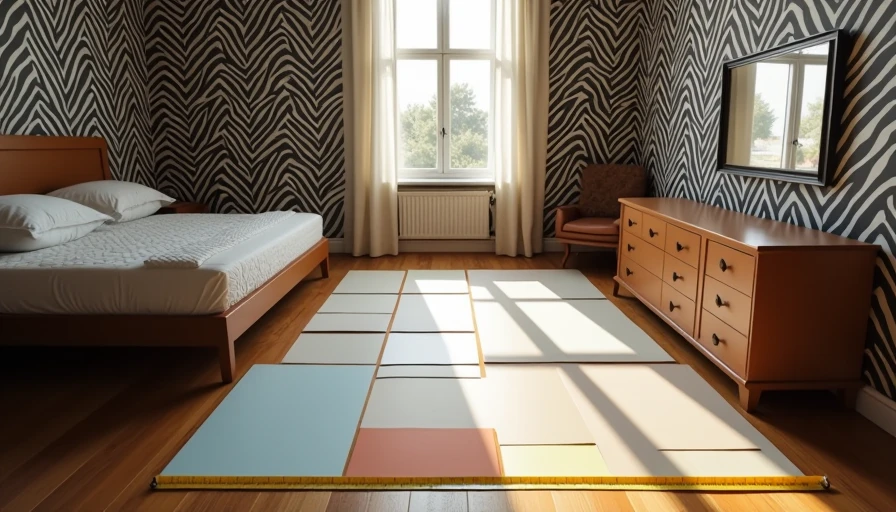
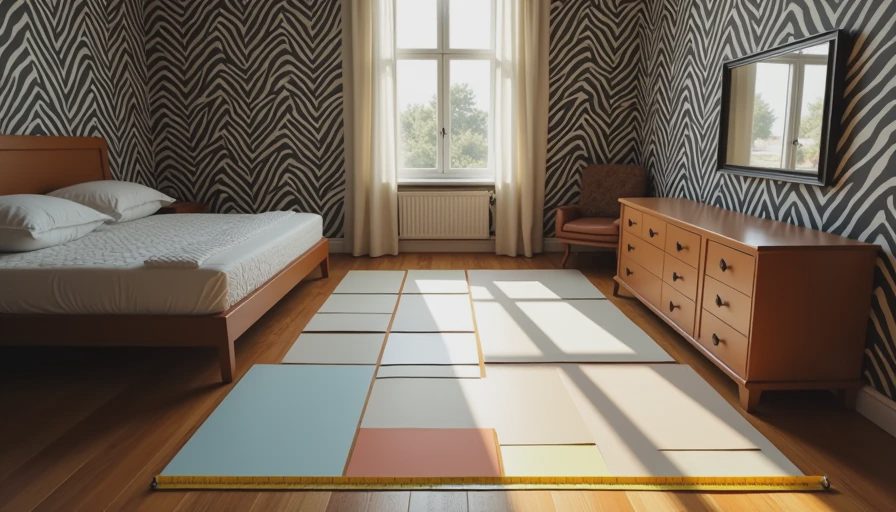
Before ordering, measure the wall height and width, then add extra material for pattern matching and mistakes. Zebra stripes rarely line up like a tiny geometric repeat, but the installer still needs room to trim around outlets, corners, and baseboards. Order a sample first and view it in morning, afternoon, and lamp light. Gray-black stripes can look soft at noon and nearly navy at night.
Balance the pattern with quiet materials
The best answer to how to use zebra wallpaper in bedroom styling is to give it calm neighbors. Start with a restrained color palette: warm white, camel, tobacco, muted olive, clay, or soft black. These shades support the wallpaper without attempting to match every stripe. A white oak nightstand, a woven basket, and a cotton duvet can make the same wall feel relaxed rather than themed.
Avoid adding several unrelated patterns. If the wall is active, keep the bedding mostly solid and let texture do the work. A $120 quilted coverlet, nubby throw, or boucle pillow adds depth without introducing another competing print. If you want pattern on the bed, choose a small-scale stripe or faded floral in colors already found in the wallpaper. The room should have one memorable pattern and several quiet surfaces.
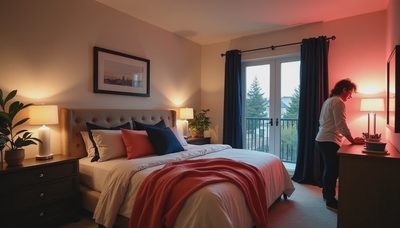
Lighting is equally important. A pair of plug-in sconces, such as the affordable hardwired-look styles sold by Schoolhouse or IKEA, can break up the wall and make the design feel built in. Use warm bulbs around 2700K rather than cool daylight bulbs. Zebra wallpaper under harsh white light tends to look flat and busy; under warm light, its curves and irregular edges become more forgiving.
Decide between real wallpaper and peel-and-stick
Traditional wallpaper gives you the most polished finish, particularly in an older home with imperfect walls. A professional can smooth seams, center the design behind the bed, and handle tricky corners. It is the better choice for a primary bedroom renovation that you expect to keep for years. Budget around $300 to $1,000 for installation on one accent wall, depending on preparation and local labor.
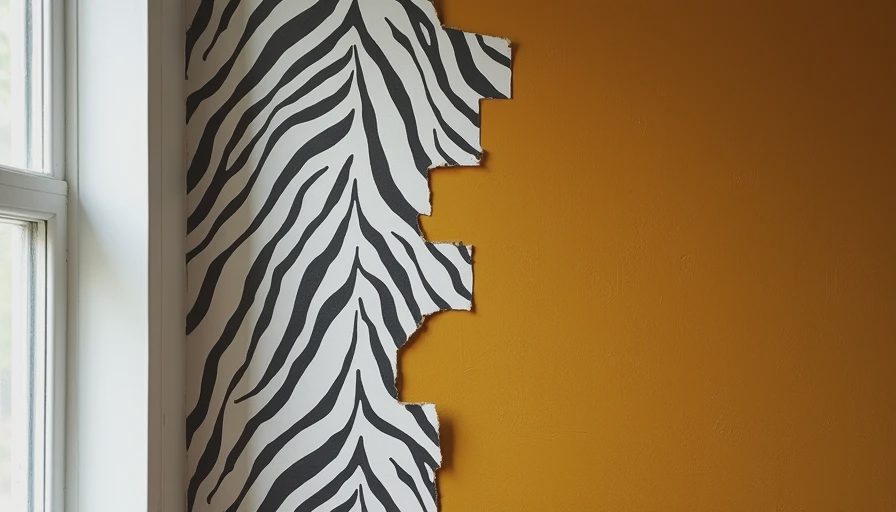
Peel-and-stick wallpaper works well in apartments, guest rooms, and kids' bedrooms where flexibility matters. It is also a sensible trial run if you are not sure how to use zebra wallpaper in bedroom design. Look for removable products with matte finishes, since glossy paper can reflect bedside lamps and emphasize every seam. Clean the wall, repair nail holes, and wait until paint is fully cured before applying it.
For a rental, consider a removable panel behind the headboard rather than an entire wall. Three vertical panels can create the look of a custom upholstered backdrop, and they are easier to remove when the lease ends. Keep the edges straight with a level; “almost straight” becomes surprisingly obvious beside a bed.
Adapt zebra wallpaper for different bedrooms
In a primary bedroom, zebra wallpaper can feel sophisticated with a tailored upholstered headboard, narrow nightstands, and natural wood. Choose a pattern with more white space if the room is small. Pairing it with black metal accents gives a crisp modern look, while bronze hardware and caramel leather create a warmer, collected feeling.
For a child's room, use the print in a reading nook, behind a low dresser, or above a chair rail instead of covering the whole room. This is especially useful when a seven-year-old changes favorite colors every six months. Sophie once requested hot pink curtains, neon bedding, and a wall covered in dancing cats. We compromised with one lively accent area and kept the rest of the room flexible. The wallpaper can stay while the accessories evolve.
In a guest bedroom, a narrow wall behind a full-size bed makes the room memorable without making visitors feel like they have entered a themed suite. Add blackout curtains, a luggage stand, and a bedside outlet. Design should support the guest, not just photograph well.
Common mistakes that make the room feel busy
The biggest mistake is using zebra wallpaper on every wall before considering the room's natural light. In a dark bedroom, strong contrast can make the walls feel closer. Another problem is centering the paper poorly, so a dramatic stripe disappears behind the headboard or lands awkwardly beside a door. Dry-fit panels first and mark the visual center of the bed.
Do not force the rest of the room to become a safari theme. Skip matching animal accessories, overly literal lamps, and multiple black-and-white decorations. One ceramic animal or framed botanical print can be charming; a collection can quickly feel like a child's playroom. The wallpaper needs breathing space.
Also watch the scale. Large stripes suit a spacious wall and a simple bed, while smaller rooms usually benefit from a looser, less contrast-heavy pattern. If you love a high-contrast design, use it in a contained area and repeat only one or two colors elsewhere.
A practical weekend plan
If you are still wondering how to use zebra wallpaper in bedroom design, start with a small test rather than a full renovation. This weekend, clear the wall behind the bed and tape a paper sample at eye level. Move your existing lamp close to it, place a pillow or throw in a possible accent color, and look at the combination after dark. Take a phone photo from the doorway, because that is how you experience the room most often.
Then decide whether the wall needs a headboard, better lighting, or simply less furniture. Measure twice, order one sample, and choose the quiet materials before buying decorative accessories. A $40 sample and an afternoon of testing can prevent a much more expensive mistake.
Your bedroom does not have to be perfect. It just has to be yours. Zebra wallpaper works when it reflects your taste while leaving enough calm for sleep, dressing, reading, and real life.