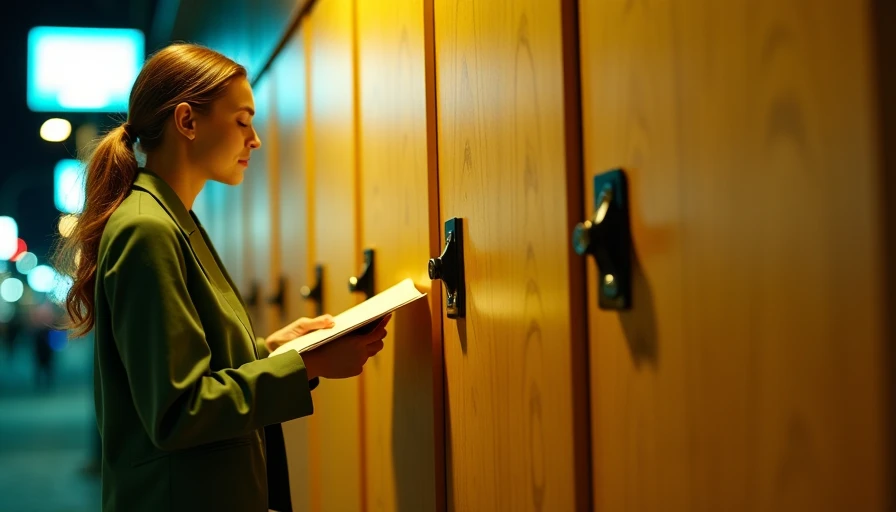
The last time Sophie declared our bedroom “too messy for bedtime,” she was standing next to a pile of board games, a heating blanket, and a basket of winter scarves that had quietly taken over the corner. I had already tried open shelves, pretty bins, and the old trick of stuffing everything into the closet. None of it made the room feel calmer. What finally worked was a storage cabinet with doors that could hide the stuff we actually use but do not want to stare at every night. In a bedroom, that matters. Closed storage cuts visual noise, protects things from dust, and gives you one place for extra bedding, off-season clothes, or the random items that never belong on the nightstand. Here is how I choose one for real life, not a staged photo.
Why closed storage beats open shelving in a bedroom
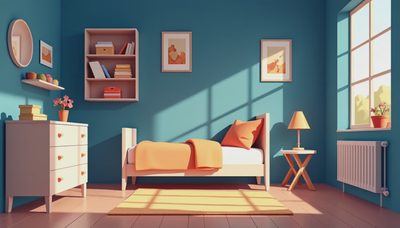
A bedroom is one of the few rooms where less visual clutter really does translate into a better feeling at the end of the day. Open shelves look good for about five minutes, then the folded throw turns slouchy, the charger cord shows up, and the room starts to feel busy. A storage cabinet with doors solves that in the simplest possible way: it gives you a clean front wall and a place to hide the practical stuff.
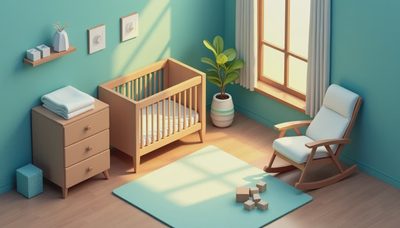
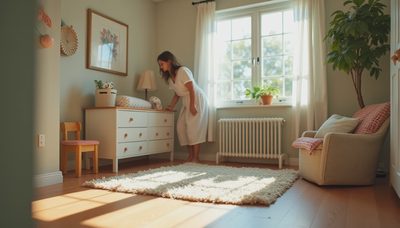
I like this approach for bedrooms because it works for different stages of life. In a primary suite, it can hold extra pillows, seasonal shoes, or sleepwear. In a kids’ room, it can swallow puzzle boxes, stuffed animals, and art supplies. In a guest room, it gives you a place for spare towels and an extra set of sheets so the room still feels like a guest room, not a storage unit. That is the trick. You are not trying to display everything you own; you are trying to make the room feel easy to live in.
If you have ever spent $80,000 on a renovation and still felt annoyed every time you walked in, you already know the problem is not always the paint color. Sometimes it is the furniture that lets clutter win.
How I size it before I buy
Before I look at finishes, I measure the wall twice. A cabinet that is too deep eats walking space, and one that is too short can look accidental. For a bedroom, I usually start with a width between 24 and 48 inches, a depth around 14 to 18 inches, and a height that works with the window line, outlet placement, and nearby furniture. If the unit sits beside the bed, I want enough room to open the doors fully without bumping a lamp or nightstand.
The inside matters just as much as the outside. Adjustable shelves are worth paying for because they let you switch from folded sweaters to bins for shoes or linens. If you want to store heavier things like books, choose sturdier shelves and a cabinet with a solid back. If the cabinet will live in a humid room, or near a leaky old window like the ones in my San Francisco flat, look for finishes that wipe clean easily. Laminate and painted MDF are both practical at lower price points, while wood veneer and solid wood usually cost more but feel better in a room where you want the furniture to last.
A storage cabinet with doors does not need to be oversized to earn its keep. It just needs to be the right scale for the wall and the right depth for the things you actually own.
The best bedroom spots for it
The most obvious place is the empty wall across from the bed, especially if you need a dresser but do not want a bulky chest. I also like a storage cabinet with doors at the foot of the bed in a larger room, where it can hold blankets and still leave room to walk. In a smaller room, it works under a window if the height stays low enough to preserve daylight.
For kids’ rooms, I prefer a lower cabinet that a child can reach without help. That way the cabinet can hold puzzles, board games, and sports gear instead of becoming the place where missing things go to disappear. In a guest room, you can use the top for a lamp and a tray, then keep linens, spare toiletries, and extra pillows inside. It is a nice upgrade from the usual “put it in a basket and hope for the best” method.
One thing I learned the hard way: if the cabinet is going to share space with a charging station, leave room for cords before you buy. A beautiful piece that traps the cord behind it is just future frustration.
What I actually keep inside mine
Mine changes with the season, but the categories stay the same. One shelf holds spare bedding in a cotton storage bag. Another holds off-season clothes in lidded bins from The Container Store. I keep a small box for medications, sleep masks, and the random batteries that always seem to belong in the bedroom. If I have extra space, I add books I am not actively reading, because the bedside stack is already high enough.
This is where good labeling helps. A simple label maker from Brother or a handwritten card in a clear holder keeps everyone honest. If a partner or kid can open one door and find the humidifier, the extra pillowcases, or the guest towels, the cabinet actually gets used. If they have to dig through mystery piles, the clutter returns in a week.
I also like to keep one shelf visually light. Even if the rest of the cabinet is packed, that empty shelf gives the room a little breathing room when the doors swing open.
How to make it look like furniture, not overflow
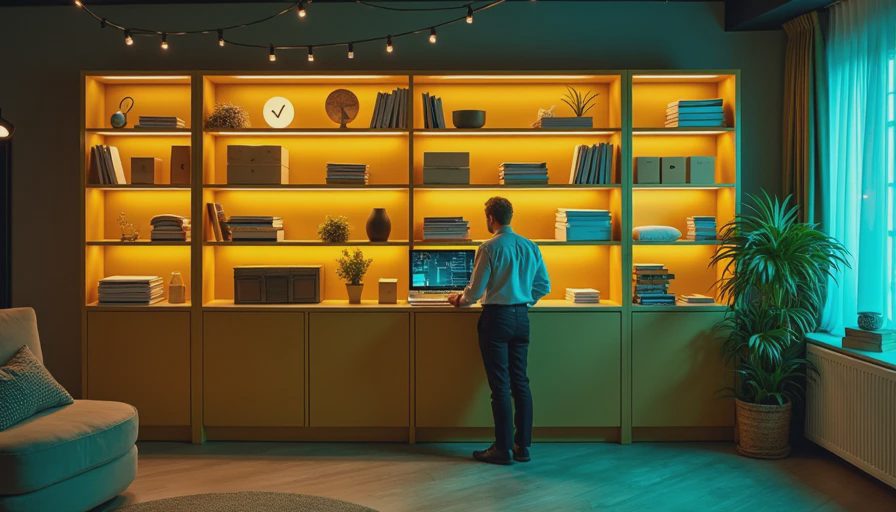
The easiest way to make closed storage feel intentional is to treat the top like a small console, not a drop zone. A simple lamp, one framed print, and a low tray are enough. If the cabinet sits near the bed, keep the styling quiet so it does not compete with your pillows or headboard. A small plant works too, especially if you have decent light, but do not crowd the top with five different objects just because the surface exists.
Color matters more than people think. White, warm oak, black, and soft gray all disappear more easily into a bedroom than high-contrast finishes with lots of visual grain. If your room already has a lot of pattern in the rug or bedding, a plain cabinet will calm it down. If the room is mostly neutral, a richer wood tone can add warmth without making the space feel heavy.
Hardware is another small detail that changes the whole mood. Simple pulls in brushed nickel, matte black, or brass feel more finished than cheap plastic knobs. Soft-close hinges are worth it if the cabinet will be opened every day. That one detail makes the furniture feel less like a utility piece and more like something you intended to keep.
A simple weekend shopping plan
If I were shopping for one this weekend, I would do three things first. I would measure the wall, write down the depth I can actually live with, and decide what the cabinet needs to store. Then I would compare a few price bands: around $120 to $250 for basic big-box options, $300 to $600 for sturdier midrange pieces, and $700 or more for brands like West Elm or Crate & Barrel when you want better finish and hardware. Sauder, IKEA, and Target-style furniture can be perfectly fine for a bedroom if the shelf layout is smart and the doors close cleanly.
Then I would ask one final question: will this piece calm the room every day, or will it become another surface collecting mail and socks? That answer tells you whether the cabinet is worth it.
If you want the shortcut, measure your wall this weekend, pick your storage job first, and choose a storage cabinet with doors that solves that job without taking over the room. Your bedroom doesn’t have to be perfect. It just has to be yours.