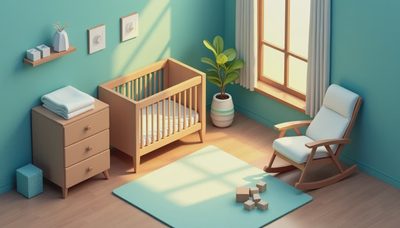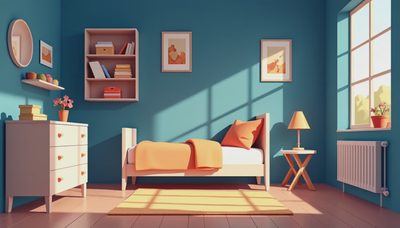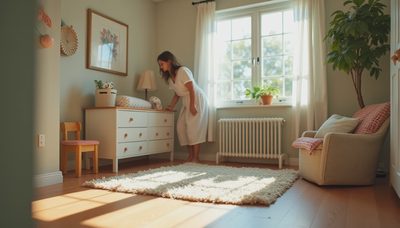
Last month my daughter Sophie decided her stuffed animals needed a hotel suite, which is how I ended up moving a pile of bins out of our bedroom at 9 PM. It was a good reminder that storage cabinets storage only works when it solves real life, not just a Pinterest board. In a bedroom, the goal is not to own more furniture. The goal is to make mornings faster, keep the floor clear, and stop the room from feeling like a catchall.
I have designed enough bedrooms to know that the wrong cabinet can make a room feel smaller in a hurry. The right one disappears into the architecture, holds the ugly stuff, and gives you one flat surface that can handle a lamp, a book, and a water glass without turning into a junk shelf.
Why storage cabinets storage beats a single oversized dresser
The first thing I tell clients is that storage cabinets storage is better than one giant dresser when the bedroom has multiple jobs. A dresser is great for folded clothes, but most bedrooms hold more than sweaters and socks. There are spare pillows, off-season shoes, extra blankets, humidifiers, charging cords, and the random pile of things nobody knows where else to put.
Storage cabinets storage gives each category a place. A low cabinet can hold linens in one section, books in another, and daily extras in shallow drawers. That kind of split storage is easier to maintain than one deep drawer where everything sinks to the bottom and stays there. I learned that the hard way in my own room, where I once stuffed winter scarves into a bottom drawer and could not find one of them until March.
For a bedroom, I like cabinets that sit low enough to read as furniture, not a wall. IKEA BESTA is a solid starting point if you want a clean look without a custom bill. A basic configuration can land in the low hundreds, and you can add doors later. If you want something taller and more closet-like, the IKEA PAX system can work in a primary bedroom or a guest room that doubles as storage. The Container Store’s Elfa system is another useful option when you want shelves, drawers, and hanging space in one footprint.
The trick is to match the cabinet to the job. If the contents change often, choose adjustable shelves. If the room needs a calmer look, use solid doors. If dust is a problem, avoid open cubbies for anything you do not want to wipe down every week.
Where to place cabinets so the room still feels open
Placement matters as much as the cabinet itself. In a narrow bedroom, I prefer one long cabinet on a wall that does not block the path from the door to the bed. That keeps the room feeling wider and avoids the awkward shuffle that happens when furniture corners meet at shin level.
If your bedroom has a window, do not park a tall unit right next to it unless you have no other choice. Tall furniture beside a window can make the room feel top-heavy and can block natural light, which is the one thing every bedroom should protect. A lower piece under the window can work well for folded blankets, baskets, or bedtime books.
This is also where storage cabinets storage can do quiet, useful work. In one family room I redesigned, we replaced a bulky armoire with two shorter cabinets and a narrow nightstand. The room immediately felt less crowded, even though the storage stayed about the same. The difference was visual weight. Shorter pieces let the eye move.
If you are working with a small apartment bedroom, think about the cabinet as a landing strip. Put it where you naturally drop things at the end of the day. That might be near the door for bags and charging cables, or beside the bed for pajamas and reading glasses. A cabinet placed where life actually happens gets used, which is the whole point.
How I size cabinets so they do not swallow the room
When I size a cabinet, I start with the bed, then measure how much breathing room is left. You want enough clearance to open doors, pull out drawers, and walk without brushing the furniture with your hip. In a standard bedroom, a cabinet that is about chest height or lower usually feels safer than a tall wardrobe unless the ceiling is high enough to support it.
Depth matters too. A deep cabinet can be useful, but it can also turn into a black hole. For bedroom use, shallow and medium-depth pieces are often easier to live with because you can actually see what is inside. If you are storing folded clothes or linens, shelves around 12 to 15 inches deep are usually practical. For bulkier items like blankets, a deeper section can help, but only if you are willing to label baskets and keep the contents grouped.
One thing I wish more people knew: matching cabinets do not have to be identical. Two smaller pieces can work better than one massive unit, especially in an older home where walls are not perfectly square. That flexibility is one reason storage cabinets storage fits so many bedrooms. You can use one cabinet as a nightstand substitute and another across the room for overflow storage, and the room still feels intentional.
What to buy at different budgets
If you are trying to keep the cost down, start with a simple laminate cabinet and better hardware. A $250 cabinet with clean lines and good pulls often looks more expensive than a $700 piece with busy details. That is especially true in a bedroom, where the mattress and bedding already take up so much visual space.
At the middle range, look at modular systems from IKEA, The Container Store, or brands like Sauder and Bush Furniture. Many of these run from roughly $200 to $600 depending on size and doors. They are not custom millwork, but they are sturdy enough for real use and easier to replace if your needs change. In a guest room, that flexibility matters because the room may need to shift from suitcases to linens to hobby storage over time.
If you want a more finished look, choose doors that match the wall color or the trim. That helps the cabinet blend in, especially in a small bedroom. In my own home, painting the cabinet to coordinate with the room made it look built in without the cost of custom carpentry. It was one of the best tradeoffs I have made.
Common mistakes that make bedroom storage feel heavier than it is
The biggest mistake is buying too much cabinet for the room. The second is filling every shelf on day one. Both make the bedroom feel busier than it needs to be. Leave a little empty space inside the cabinet so items can be grouped by use, not crammed by default. A bedroom should feel like a place to reset, not a warehouse.
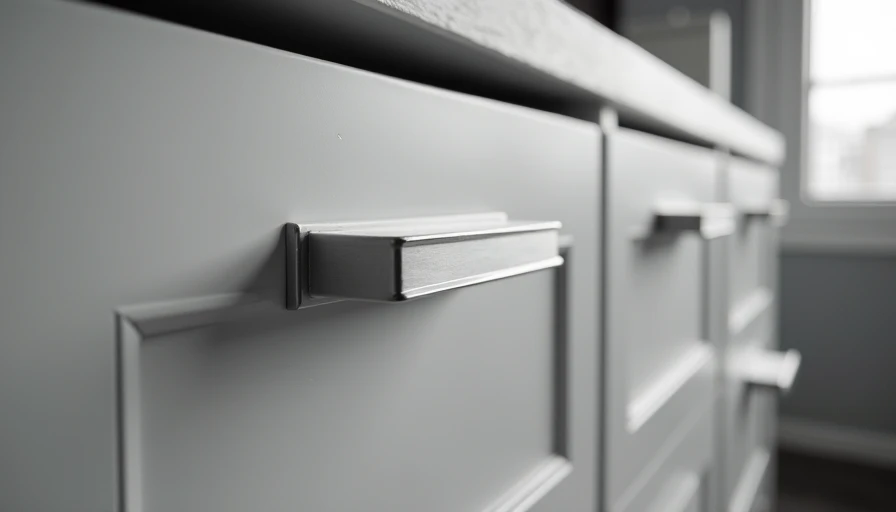
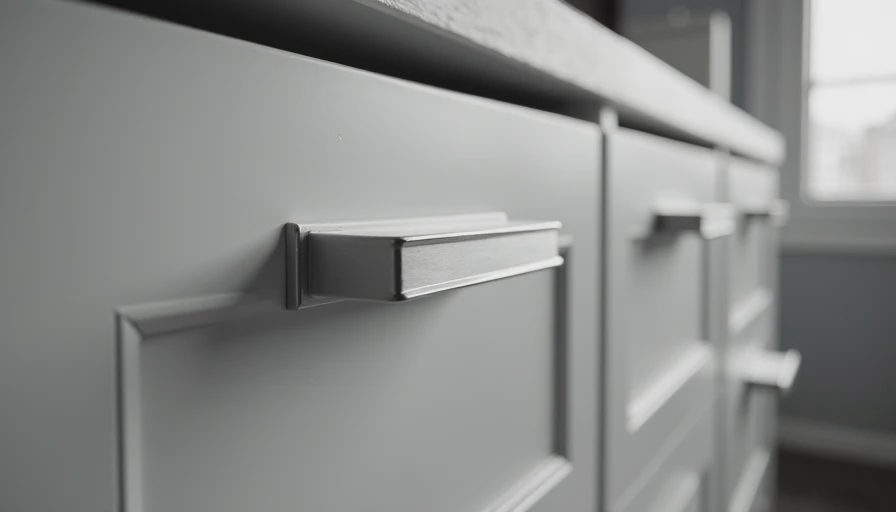
Another mistake is choosing doors that are hard to use in the dark. Heavy or sticky hardware gets annoying fast when you are grabbing socks before work. Soft-close hinges, simple pulls, and clear drawer movement are worth paying attention to because they affect the room every single day.
If you want a practical weekend project, start by pulling everything out of one zone: under the bed, the top of the dresser, or the closet overflow. Put back only what belongs in the bedroom, then measure the space and look for one cabinet that fits the job instead of three random bins. That small reset usually reveals what kind of storage cabinets storage will actually help, and what is just taking up floor space.
Your bedroom does not have to be perfect. It just has to be yours.