
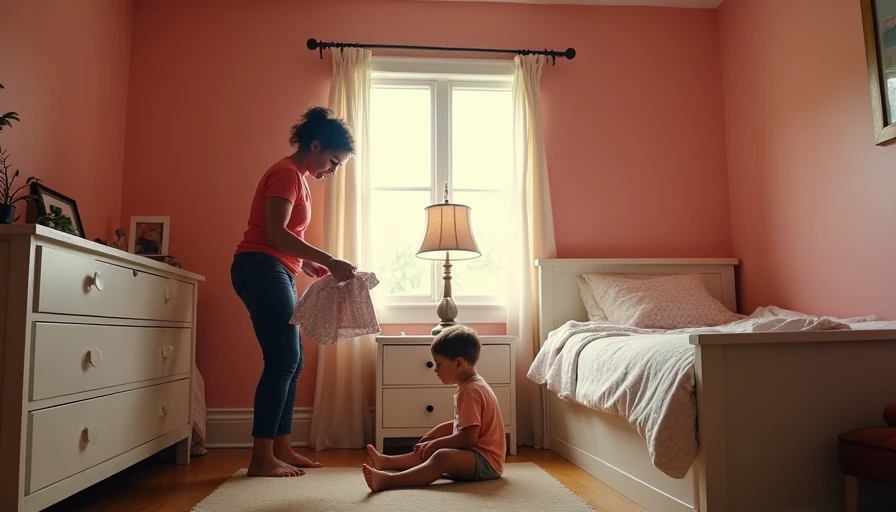
The week my daughter Sophie decided her dolls needed “a closet too,” I was staring at the same wall I’ve redesigned three times in our San Francisco flat. A white dresser was the one piece that survived every version, because it handled socks, sweaters, chargers, and the Lego parts that never stay in the playroom. If you want one purchase that can make a bedroom feel lighter, bigger, and less chaotic, this is usually it.
Why a white dresser works in rooms that have to do more
A white dresser earns its keep in bedrooms that are also homework zones, guest rooms, or catch-all storage spaces. The color bounces light around, which helps in older homes with small windows or in apartments where the bed already eats most of the floor. It also plays nicely with almost any wall color, from soft beige to deep navy, so you are not locked into a full repaint when your taste changes.
I reach for this finish when a room needs storage without visual weight. In a narrow bedroom, dark furniture can feel like a solid block. A lighter piece breaks that up. That is why I used one in our own room after the second redesign; it made the wall feel less crowded even though the drawers held more than the old chest. It also gives you a forgiving base for mixed metals, wood tones, and the odd toddler art project taped above it. A white dresser can be plain in the best way: useful first, pretty second, and never bossy.
How to choose the right size before you fall for the finish
Measure the wall first, then shop. A dresser that is too wide will crowd the walking path, and one that is too tall can make a bedroom feel top-heavy if you plan to hang art or a mirror above it. In most rooms, a width between 30 and 60 inches works well, with a depth around 16 to 20 inches. If you live with a tight footprint, even a 48-inch piece can feel generous as long as the drawers open fully and you still have room for a nightstand nearby.
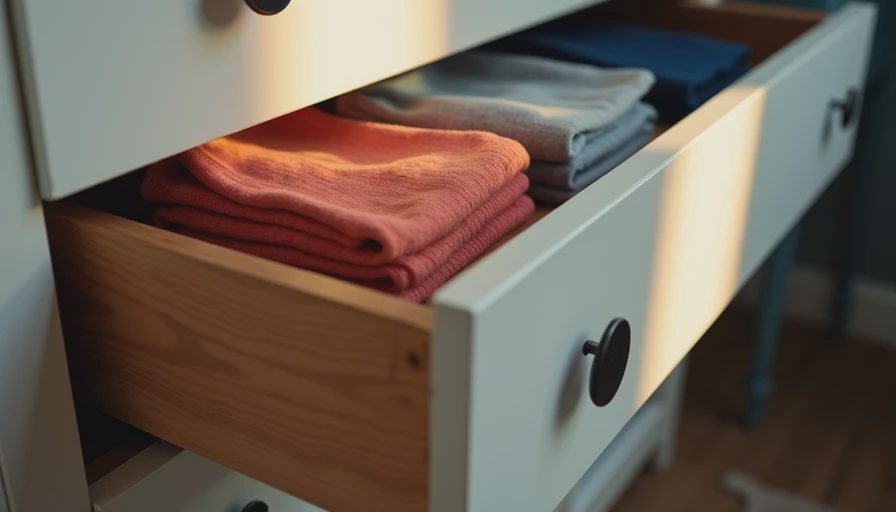
Think about what the drawers will actually hold. Six shallow drawers work well for folded tees, sleepwear, and kid items. Fewer, deeper drawers are better for sweaters, denim, and linen. If you share the room with a partner, look for full-extension glides and drawer bottoms that feel sturdy when loaded. I like to see anti-tip hardware included, especially for kids’ rooms, because furniture that stays put is part of the design too.
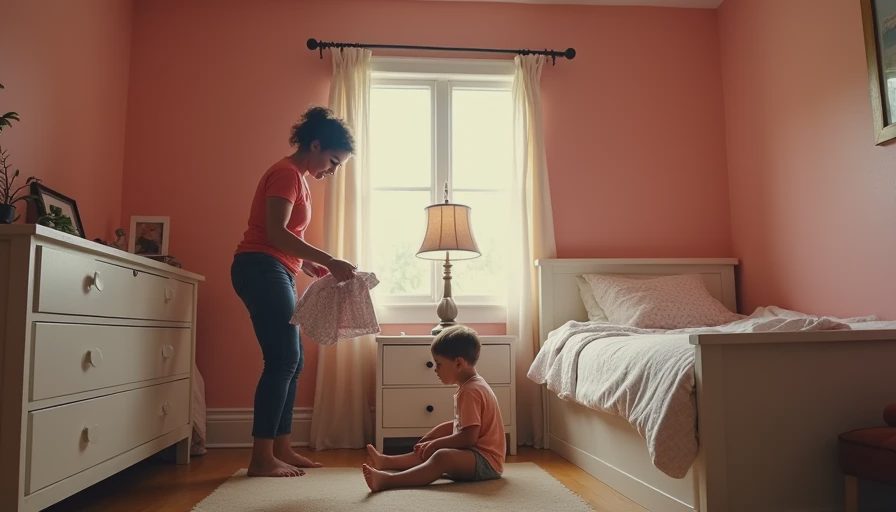
A budget piece can still work if the proportions are right. IKEA’s Hemnes line is popular for a reason: straightforward shape, easy-to-live-with size, and a price that stays under a lot of renovation budgets. Target’s Threshold line and many Wayfair options can also fit a smaller project if you need to keep the total under $400. If you want a piece that feels more substantial, companies like Article or West Elm usually land in the midrange and give you a cleaner silhouette.
Finishes, hardware, and the details that change how the room feels
Not every pale finish reads the same. A painted wood dresser has more texture and can feel warmer, while a laminate or lacquered surface looks smoother and is easier to wipe down after lotion spills or sticky hands. If your room gets a lot of sunlight, look closely at the sheen. Too glossy can feel shiny in a way that fights the bedding. Too flat can show scuffs more quickly. Somewhere in the satin range usually feels right for a bedroom.
Hardware matters more than people expect. Simple brushed nickel pulls disappear visually. Brass warms up the room. Black hardware gives contrast if the walls and bedding are soft and quiet. When I helped a client switch from ornate handles to plain round knobs, the whole room felt less fussy without changing the furniture at all. That is the kind of upgrade that costs less than a new rug but changes the mood every day.
If you already own a piece that is close but not quite right, paint can save it. I’ve refinished a dated chest with a white cabinet paint and new pulls, and the room immediately looked cleaner. Just sand lightly, use a bonding primer, and let it cure before loading the drawers. The annoying part is waiting. The payoff is a piece that looks custom without custom pricing.
Styling a white dresser without making the room look like a showroom
The easiest way to style a white dresser is to treat the top like a working surface, not a catalog shot. In my bedroom, I keep a lamp, a small tray for earrings, and one framed photo. That is enough. If the top becomes a landing pad for mail, toys, and random receipts, the whole room starts to feel noisy. A tray or shallow bowl keeps the clutter contained, and a lamp on the dresser frees up the nightstand for a glass of water and a book.
This is also where a white dresser becomes useful as a backdrop. A mirror above it can bounce light and make the room feel taller. A plant softens the edges. A stack of books or folded knitwear adds color without trying too hard. If your bedroom leans cool, bring in warmth through oak frames, woven baskets, or a linen lampshade. If the room already has a lot of wood, the dresser gives you a quiet reset.
One thing I learned after Sophie started decorating her own room with drawings and tape is that the best styling allows for change. Kids do not live with a fixed palette, and honestly most adults do not either. Leave a little open space on top so the room can absorb a new candle, a favorite book, or a vase of grocery-store flowers without looking overworked.
What I would buy at different budgets
If your budget is under $250, focus on size, drawer function, and a finish that will not clash with future changes. That is where a straightforward option from IKEA or Target makes sense. If you can spend around $300 to $600, you start getting better drawer slides, more substantial tops, and a shape that feels less generic. If you are around $700 to $1,000, you can look for solid wood fronts, dovetail details, and a piece that might move with you to the next home.
The trick is not to pay for features you will never notice. A bedroom dresser does not need to be ornate to feel good. It needs to fit the wall, open smoothly, and survive real life. The best ones do that quietly for years, which is exactly why I keep recommending the same style to clients who want a calmer room without redoing everything.
If you are choosing a white dresser this weekend, measure the wall, check drawer depth, and bring home the one that leaves enough breathing room for a lamp and a basket. Your bedroom doesn't have to be perfect. It just has to be yours.