

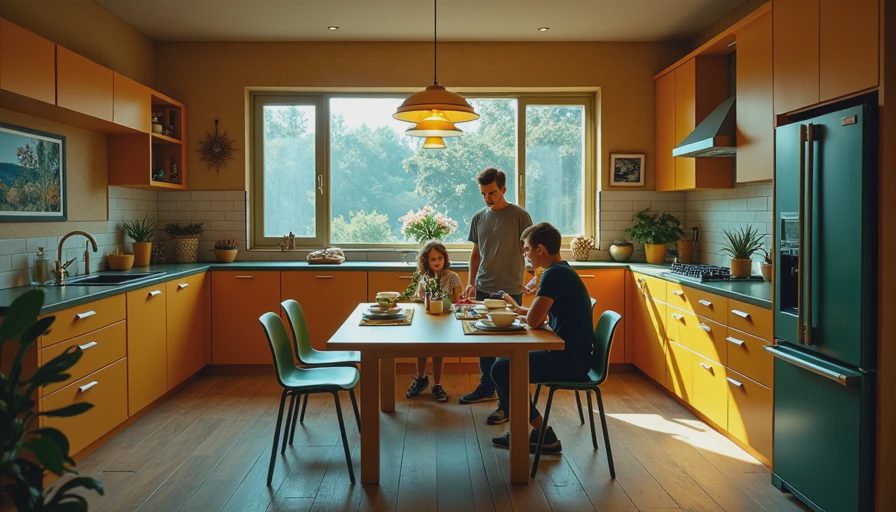
When Sophie started turning our dining table into an art station, I realized how much a room changes when it needs to do more than host dinner. The right dining room cabinets can hold the serving pieces, the extra linens, and the random overflow that never seems to stay in the kitchen. They can also make a room feel finished instead of like a table floating in empty space. Here is how I think about them after years of designing homes and living in one that is always one step away from chaos.
Start with the job, not the finish
The best dining room cabinets solve a storage problem first. If you mostly need a place for plates, wine glasses, and holiday platters, a lower sideboard with drawers and shelves is enough. If the room also holds board games, candles, napkins, and the good serving bowl that only comes out three times a year, you need more flexible storage. I like to make a quick inventory before shopping: dishes, linens, barware, extra flatware, and anything else that regularly lands on the table. That list tells you whether a small console will do or whether you really need a longer piece with doors and drawers. In my own home, I have learned that pretending clutter will stay cute is not a strategy.
A lot of dining room cabinets fail because they look pretty in a showroom but cannot handle the real contents of a family life. The drawer size matters. The shelf height matters. Even the back of the cabinet matters if you want to hide charging cords, serving trays, or a small stack of homework folders.
Measure the wall the same way you measure a sofa
Most dining room cabinets should sit with enough breathing room that chairs can pull out and people can pass behind them. For a standard sideboard, 18 to 20 inches of depth is common and usually easier to live with than a bulky 24-inch cabinet, unless you need true built-in storage. Leave at least 36 inches of clear walkway if people move through the room often; 42 to 48 inches feels better in a busy house. If the cabinet sits near a dining table, open the table leaves before you buy anything. A piece that looks perfect against a bare wall can suddenly feel huge once the chairs are in place.
I also check outlet locations, vents, and any trim that might stop a cabinet from sitting flush. If you are unsure, tape the footprint on the floor with painter's tape and live with it for a day. That one small step has saved me from more bad purchases than any online review ever did.

Make the inside more useful than the outside
This is where dining room cabinets earn their keep. Adjustable shelves are more useful than fixed ones because serving bowls, pitchers, and tall glasses all seem to come in different heights. A shallow top drawer is ideal for napkins, matches, bottle openers, and tea lights. Deep drawers are good for placemats and table runners if you roll or fold them neatly. If you store wine, look for racks or an open lower shelf that can handle bottles without making the whole piece feel heavy.
I am a fan of simple organizers from The Container Store, especially tray inserts and clear bins that keep smaller things from sliding around. IKEA inserts can work too if the cabinet dimensions line up. When Sophie was younger, I kept one shelf for her art supplies so the dining table stayed usable. That kind of honest storage is what makes a room feel calm instead of staged.
The best dining room cabinets are the ones that make clean-up faster at 8 p.m., not just prettier at 8 a.m.
Choose a style that supports the rest of the room
You do not need a perfect match between the cabinet and the table. In fact, a little contrast usually looks better. A painted shaker piece can soften a modern dining room. A warm oak sideboard can bring life to a room full of white walls. Glass-front doors are useful if you want to show off nicer dishes, but they also ask you to keep the inside tidy. Reeded glass is a nice middle ground because it hides visual clutter while still feeling light.
Hardware changes the whole mood. Simple knobs in brass or matte black can make a basic piece feel more finished, and brands like Schoolhouse or Rejuvenation have shapes that do not look overly trendy. If the room is small, I like a lighter finish or even a piece on legs so it does not feel squat. If the room is large and formal, a darker wood or a built-in look can anchor it. Well-chosen dining room cabinets should feel like they belong to the house, not like they were dropped in from a catalog.
Budget for the piece, the install, and the finish work
There is a wide spread here, and it helps to know it before you start shopping. A basic ready-made sideboard from IKEA, Wayfair, Article, or similar retailers can start around $250 to $900. A nicer solid-wood piece often lands between $1,000 and $2,500. Semi-custom or built-in work can run from about $3,500 to $10,000 or more once carpentry, trim, and finish work are included. If you already own a decent dresser or buffet, paint and new hardware can be the cheapest transformation of all; a professional repaint might cost a few hundred dollars, while a do-it-yourself refresh can be much less.
I would rather see a homeowner buy a simpler piece that fits the room than overspend on a too-deep cabinet that crowds the table. If you are considering dining room cabinets as built-ins, factor in anchoring, leveling, and any electrical work for lamps or under-cabinet lighting. Those details are what make the room feel custom instead of temporary.
A simple weekend plan that keeps the purchase sane
If you want a quick path forward, start with three things: measure the wall, write down everything the cabinet needs to hold, and tape the footprint on the floor. Then look at the room in daylight and at night. If it feels cramped with the tape outline, choose something smaller. If the wall still looks empty, you can go a little wider or taller. That one exercise usually tells you more than scrolling for hours.
The same rule I use in bedrooms applies here too: your dining room doesn't have to be perfect. It just has to be yours. Well-planned dining room cabinets can make weeknight dinners easier, holiday hosting calmer, and the whole room feel like it finally knows what it is supposed to do. This weekend, take ten minutes, measure once, and make the tape outline before you buy anything.