Sophie once looked at the wall above our bed and asked why we had left it “empty on purpose.” She was right. The room had good bedding, a practical nightstand, and a beautiful lamp, but it still felt unfinished. The missing layer was and wall art: the small decisions that connect furniture, color, memories, and the person who sleeps there. If you are refreshing a primary bedroom, guest room, or child’s space, the goal is not to copy a hotel. It is to make the room feel calm, useful, and unmistakably yours.
Start With the Wall, Not the Shopping Cart
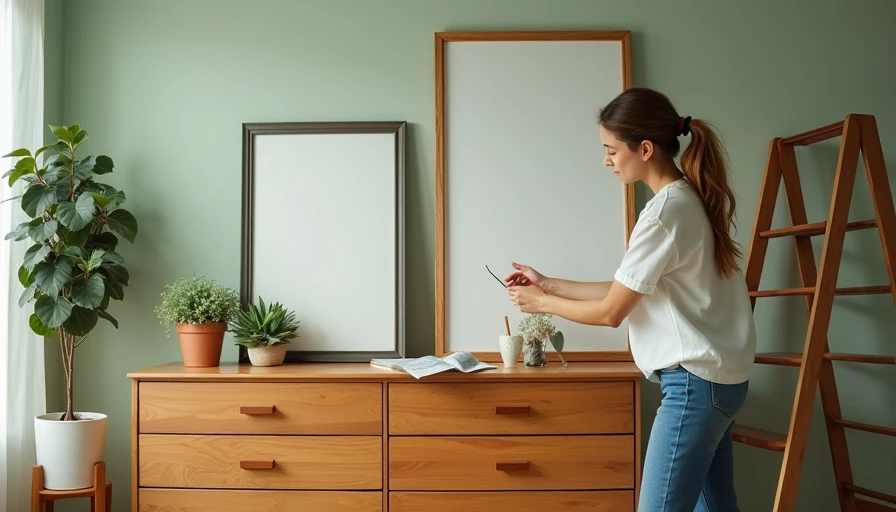
Before buying artwork, stand in the doorway and look at the room as a whole. Notice the largest blank areas, the view you see from the bed, and the wall that catches natural light in the morning. In my own bedroom, I first wanted a large abstract canvas above the dresser. After taping out its size with painter’s tape, I realized the wall needed a quieter arrangement because the rug already had a strong pattern.
This is where and wall art should support the room instead of competing with it. A bedroom with patterned wallpaper may need one calm photograph. A plain room with simple white bedding can handle a collection of colorful prints. Think in terms of visual weight. A small frame above a wide king bed often looks accidental, while one oversized piece or a group spanning roughly two-thirds of the headboard usually feels more intentional.
Measure the furniture below the wall before ordering anything. For art above a dresser, leave enough space for a lamp, jewelry tray, or the inevitable stack of books. Above a headboard, keep the lowest part of the frame about six to ten inches above the furniture, adjusting for a tall headboard. Lay paper templates on the wall first. Ten minutes with painter’s tape can prevent an expensive return.
Choose a Composition That Can Survive Real Life
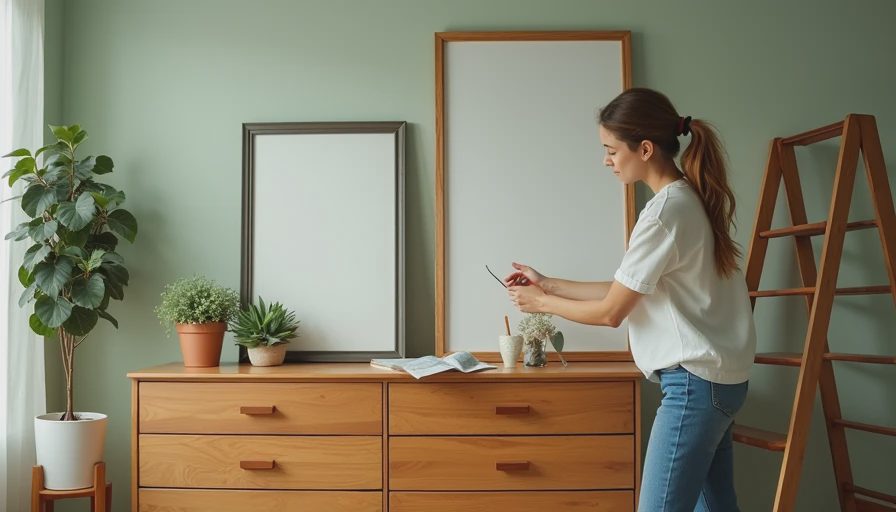
There are three reliable approaches to and wall art in a bedroom. The first is one large statement piece. This works especially well in a primary suite with a wide wall and limited visual clutter. A canvas from Juniper Print Shop, Society6, or a local gallery can create presence without requiring a complicated installation. Look for a width that relates to the bed rather than a tiny piece floating above it.
The second approach is a pair. Matching frames on either side of a window, dresser, or bed create balance and are forgiving when the room has uneven architecture. I often use two 18-by-24-inch frames over a queen bed, with a narrow gap between them. The images do not have to match exactly; they only need a shared color, subject, or frame finish.
The third option is a collected gallery wall. This is ideal for family photographs, children’s drawings, travel prints, and small vintage finds. Keep the outside boundary fairly clear, then vary the frame sizes inside it. A grid feels orderly, while a looser arrangement feels more collected. For a child’s bedroom, lightweight acrylic frames are safer and easier to update than heavy glass.
When combining and wall art, repeat at least one color already present in the room. A muted blue from the curtains can appear in a landscape print. Warm wood frames can connect to a dresser. This repetition is what makes separate purchases look like a design decision rather than a shopping spree.
Match the Artwork to the Mood You Want
Bedrooms benefit from visual quiet, particularly if you are trying to improve sleep. That does not mean every wall must be beige. It means the artwork should contribute to the mood rather than demand attention at bedtime. Soft landscapes, botanical studies, architectural photography, and abstract pieces with generous negative space are dependable choices.
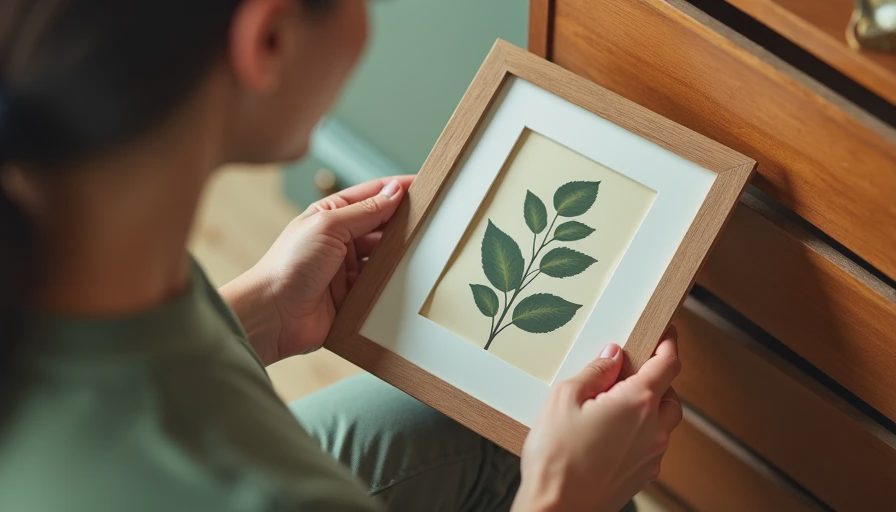
For a guest room, I like artwork that feels welcoming but not overly personal. A pair of simple botanical prints above the bed gives visitors something attractive to look at without making them feel as though they are sleeping inside someone else’s family album. In a primary bedroom, personal photographs can be lovely, but choose images with calm energy. A black-and-white beach photograph often works better than a busy vacation snapshot with ten people and a cooler in the foreground.
Kids’ rooms deserve more freedom. Sophie’s wall currently includes a hot pink dance print, a watercolor she made at school, and a framed illustration of a cat wearing sunglasses. None of it matches perfectly, and that is the point. Use and wall art to let a child’s interests change without repainting the entire room. Command-style picture-hanging strips, poster rails, and inexpensive frames make updates manageable.
Make the Installation Feel Finished
Good artwork can look wrong when it is hung too high, spaced unevenly, or surrounded by unrelated objects. The center of a single piece is generally most comfortable around eye level, but bedroom furniture changes the equation. Above a bed, use the headboard as the visual anchor. Above a dresser, keep the composition close enough to feel connected, not stranded near the ceiling.
For a gallery wall, cut newspaper templates in the size of each frame and tape them up before drilling. Start with the largest piece, then build outward. Leave about two to four inches between frames for a cohesive arrangement. If the wall is narrow, a vertical stack often works better than a wide row. In an apartment with plaster walls, use anchors rated for the artwork’s weight and avoid guessing based on the frame alone.
Lighting matters as much as placement. A picture light can make a large piece feel special, but it is not necessary for every room. Adjustable wall sconces, a nearby floor lamp, or warm bulbs in bedside fixtures can provide enough evening illumination. Avoid placing delicate paper prints in strong direct sun, especially if the window faces south or west.
Budget Without Making the Room Look Temporary
You can create a thoughtful arrangement at several price points. A framed print from IKEA or Target may cost $20 to $60. Independent artists on Etsy often offer downloadable files that you can print locally for less than $30, although the frame and paper quality matter. Midrange options from retailers such as West Elm, Pottery Barn, or Minted commonly land between $75 and $300. One original work from a local artist can cost more, but it can also become the piece that makes the room memorable.
Spend more on the frame when the artwork is inexpensive. A sturdy oak, walnut, or matte black frame can make a simple print feel intentional. Conversely, do not spend $500 on a frame for a piece you are likely to replace next year. For and wall art in a rental, lean toward removable hanging systems, poster rails, and lightweight frames so the room can evolve with your lease and your life.
A Simple Weekend Plan
This weekend, photograph your bedroom from the doorway and mark the three emptiest walls. Choose one wall as the priority, then measure its usable width and height. Pull five colors from the room, including the bedding, rug, curtains, and wood tones. Search for artwork that repeats at least two of them, and make a paper template before purchasing anything.
If the room feels too busy, choose one large quiet piece. If it feels bland, try a pair or a small gallery wall with different textures. If the budget is tight, start with one frame and add to it over time. The best and wall art arrangements are not assembled in a single afternoon; they collect meaning as your home changes.
Your bedroom does not have to be perfect. It just has to be yours. Start with the wall you see first when you wake up, and give it one decision made with care.