
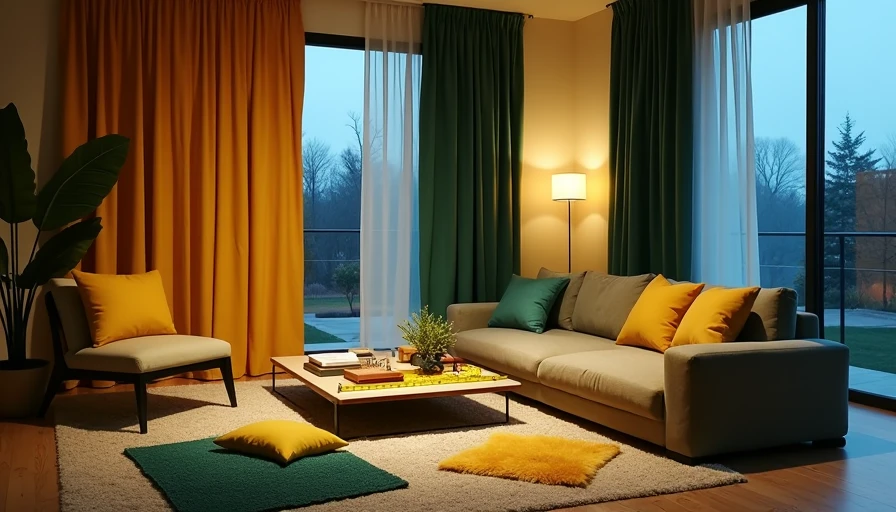
The first time I used 108 inch drapes and curtains in a bedroom, I was trying to solve two problems at once: a low-looking ceiling and a pair of windows that felt oddly unfinished. The panels worked better than another piece of art could have. They drew the eye upward, softened the hard edges of the room, and made the bed feel properly anchored. In my own San Francisco bedroom, that extra length also helped with morning fog light before I had to get up.
That said, 108 inches is not a magic number for every window. It is a useful starting point for tall, polished window treatments, especially when you want to mount the rod several inches above the frame. The right result depends on your ceiling height, rod position, panel fullness, fabric weight, and whether the curtains should touch the floor or puddle slightly.
Why 108-inch panels can transform a bedroom
Most bedroom windows look better when curtains are hung high and wide instead of directly on the trim. Mounting the rod about 4 to 8 inches above the window frame creates a taller visual line. Extending it 6 to 12 inches beyond each side gives the fabric somewhere to stack when the panels are open, so less glass disappears behind them.
That is where 108 inch drapes and curtains become especially useful. In a room with an 8-foot ceiling, the length can work beautifully if the rod is placed near the ceiling and the finished floor is close to 108 inches below it. In a room with a standard 96-inch ceiling, however, you will probably need to hem the panels or mount the rod lower. Hemming is not a failure; a clean 1-inch break or a nearly invisible kiss against the floor looks much more intentional than fabric dragging across the floor.
Here is what I did in my own room: I measured from the proposed rod location to the floor before ordering anything. I measured again from the top of the baseboard, because the floor and wall trim were not perfectly level. That ten-minute check prevented an expensive return.
How to measure before buying
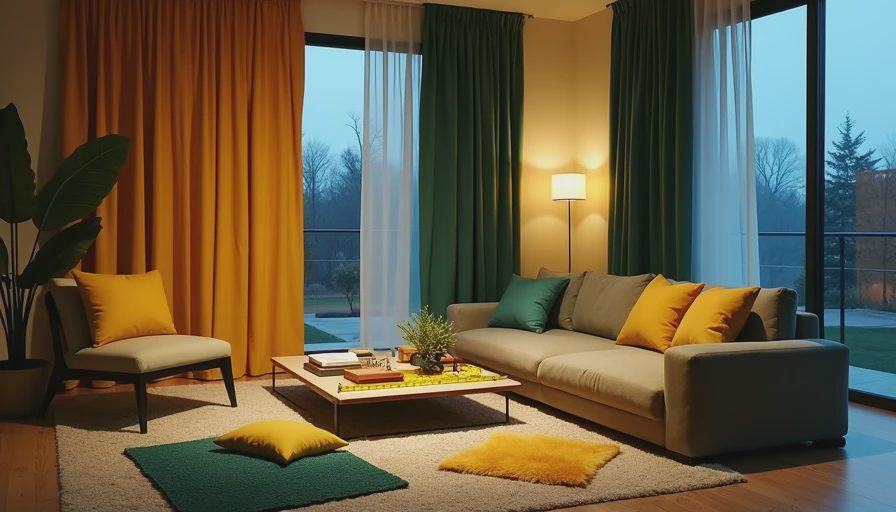
Start with the rod, not the existing curtain length. Decide whether you want the rod close to the ceiling, just below crown molding, or several inches above the window. Measure from that point to the floor in at least three places. Older homes, including my Victorian flat, often have floors that slope enough to change the hem by half an inch.
For width, measure the window itself and add the desired overlap and stack-back space. A 60-inch-wide window might need a rod around 72 to 84 inches wide. For a softly gathered look, the total fabric width should usually be 1.5 to 2 times the rod width. Two 50-inch panels offer 100 inches of fabric, which gives a relaxed fullness on a 60-inch rod. If you want a dramatic hotel-style wave, look for panels with more fabric or use a ripple-fold system designed for that effect.
Remember that package dimensions are not always finished dimensions. A curtain labeled 108 inches long can measure slightly differently after washing, and blackout lining can affect how the hem hangs. Read the product specifications carefully, then leave room for a tailor if the panels are made from linen, velvet, or another expensive fabric.
Choosing fabric for sleep, light, and daily life
Bedroom curtains have a job beyond looking pretty. If the room faces east, a lined panel can reduce the sharp morning glare that wakes everyone before the alarm. Blackout lining is especially helpful for children, shift workers, and anyone whose bedroom doubles as a weekend recovery zone. It will not make every room completely dark, but it can substantially reduce incoming light when installed close to the wall.
For a calm primary bedroom, I often choose cotton-linen blends, washed cotton, or a medium-weight textured weave. These materials soften a room without feeling too formal. Velvet can be beautiful in a drafty bedroom and adds visual warmth, although it is heavier and may require a sturdier rod. Polyester blends are often the practical choice for a kid's room because they are affordable, widely available, and easier to spot-clean.
Sophie once requested hot pink curtains for her room, and I agreed on one condition: they had to be lined. The lining kept the color from glowing aggressively at sunrise and helped the panels hang with enough weight to look finished. That is the useful compromise in a family bedroom: let the color be fun, but make the construction work hard.
Hanging 108 inch drapes and curtains without making the room fussy
The rod matters as much as the fabric. A thin tension rod usually looks undersized with long panels, while a substantial metal or wood rod can support the visual weight. For most bedrooms, a 1-inch or 1.25-inch diameter rod is a comfortable middle ground. Use proper anchors, especially on drywall, and place a center bracket on wider spans so the rod does not bow.
Choose the heading based on how you want the room to feel. Rod pockets create a softer, gathered look but are less convenient to open and close. Back tabs look casual and can bunch unevenly. Grommets are easy to slide but read more modern. Pinch pleats and ring clips feel tailored, while ripple-fold panels give a clean, architectural line.
With 108 inch drapes and curtains, I prefer simple rings or a sewn-in pleat in a primary bedroom. They let the fabric travel smoothly and keep the top edge visually controlled. Add a discreet holdback only if you genuinely open the curtains every day; decorative hardware that never gets used becomes another thing to dust.

Common mistakes that make long curtains look wrong
The most common mistake is ordering based on the window height rather than the rod-to-floor measurement. A 108-inch panel can be perfect in one room and several inches too long in another. The second mistake is using too little width. Two skimpy panels stretched across a broad window look more like towels than drapes.
Another problem is stopping the rod at the window edges. That makes the window appear smaller and can block valuable glass when the curtains are open. Extend the rod whenever the wall allows. If the window sits close to a corner, mount one panel to stack toward the open wall and use a return rod or corner connector if necessary.
Finally, avoid forcing a puddled look in a busy bedroom. A small break at the floor can look relaxed, but dramatic pooling collects dust, catches under vacuum heads, and becomes tempting for toddlers to pull. For most families, panels that just touch the floor or sit about half an inch above it are the easiest balance of beauty and maintenance.
A practical shopping plan
Before shopping for 108 inch drapes and curtains, write down the rod width, rod-to-floor measurement, desired fullness, lining preference, and return policy. Expect ready-made panels to range from roughly $35 to $120 per pair, while lined linen or custom work can run $200 to $700 or more. A realistic budget alternative is an affordable cotton or polyester panel paired with a separate blackout liner.
Look at brands such as IKEA, Target, West Elm, Pottery Barn, and Half Price Drapes for different price points, but compare actual fabric width and lining rather than relying on photos. Order samples when color matters. A warm white can look cream against a cool gray wall, and a blue that seems muted online can become surprisingly strong beside navy bedding.
This weekend, measure from three possible rod locations to the floor, photograph the window wall in daylight, and tape the proposed rod line in place. Stand across the room and look at it from the bed. If the line feels too low, move it upward before buying anything. Your bedroom does not have to be perfect. It just has to be yours.