

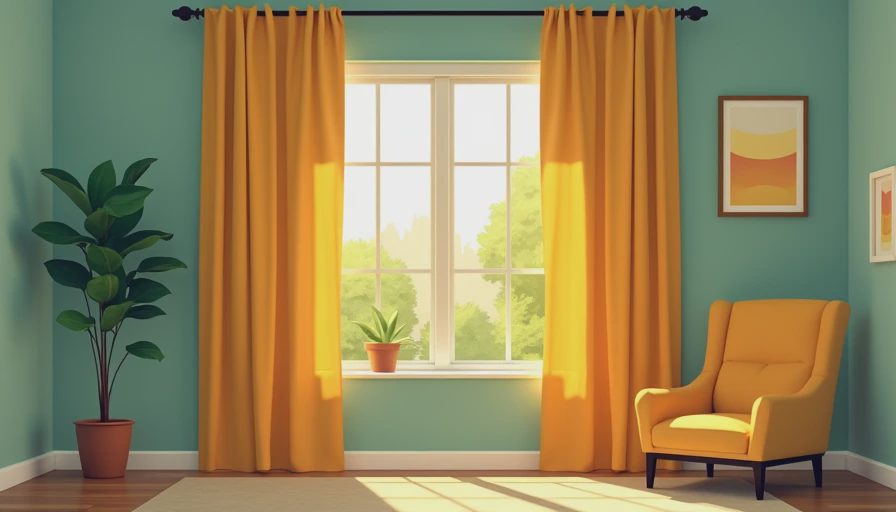
The first time I used 108 inch drapes in my own bedroom, I was trying to solve a very ordinary problem: our windows looked too short, and the wall above them felt oddly empty. Tom called it “a lot of fabric.” I called it the difference between a room that looked temporary and one that felt considered. In a bedroom, that vertical stretch matters. It can make the ceiling feel higher, soften morning light, and give the bed a proper visual backdrop.
Why 108 Inches Is Such a Useful Length
108 inch drapes are usually long enough to work with tall ceilings, high-mounted rods, and windows that sit farther from the floor than standard apartment windows. They are especially useful in bedrooms with 9- or 10-foot ceilings, older homes with generous proportions, and rooms where you want the curtains to reach from near the ceiling to the floor.
The number refers to the finished panel length, not the width. A pair of panels might each measure 50 inches wide, while the total pair provides 100 inches of fabric across the window. Always read the product listing carefully because some retailers describe one panel and others describe a set of two.
I generally prefer curtains that finish at the floor or barely kiss it. A small break can look relaxed, but a puddle creates extra dust and becomes an invitation for pets, toy cars, and laundry piles. In Sophie’s room, a puddle would last about six minutes before becoming part of a Lego landscape.
Measure Before You Buy
Before ordering 108 inch drapes, measure three things: the distance from your planned rod position to the floor, the window width, and the space available beside the frame. Use a metal tape measure and measure in at least two places if the home is older. Floors and ceilings are rarely as level as they look from across the room.
For a near-ceiling installation, place the rod about 4 to 6 inches below the ceiling or crown molding, provided the hardware can open without hitting the trim. If your measurement is 107 inches, 108 inch drapes may be ideal. If it is 105 inches, look for a hem allowance or expect a tailor to shorten them. Removing 2 to 4 inches typically costs roughly $15 to $35 per panel at a local alterations shop, depending on the lining and hem style.
Measure the rod width separately. For a full, relaxed appearance, the combined fabric width should usually be 1.5 to 2 times the rod width. A 72-inch window with a 90-inch rod needs approximately 135 to 180 inches of total fabric. That could mean four narrower panels rather than two wide ones.
Choose the Right Fabric for a Bedroom
The best 108 inch drapes depend on what you need the room to do. Linen and linen blends create a soft, breathable look and let in gentle daylight, but they are not usually the strongest choice for blocking early sun. Velvet feels substantial and helps with light and sound, though it can be visually heavy in a small room.
For most bedrooms, I like a lined cotton, cotton blend, or textured polyester panel. These options are easier to live with, often land between $35 and $100 per panel, and come in enough colors to support a calm palette. Brands such as IKEA, Target’s Threshold line, West Elm, and Pottery Barn offer very different price points, so compare lining, width, and return policies rather than judging by the product photo alone.
If sleep is the priority, use blackout lining or add a separate roller shade behind the decorative panels. Blackout fabric reduces incoming light, but it does not automatically eliminate every bright edge around the window. An inside-mounted shade paired with full panels usually gives a cleaner result than relying on curtains alone.

Getting Fullness, Color, and Hardware Right
108 inch drapes can look skimpy when the panels are too narrow, even if the length is perfect. For a main bedroom, I would rather see two generous panels than two narrow strips pulled tightly across the glass. Extra width also allows the curtains to stack beside the window when open, preserving more daylight.
Color should relate to the room without matching every surface. Warm white works with oak, walnut, brass, and muted paint colors. Oatmeal or flax can soften a white bedroom without creating a sharp contrast. In a child’s room, a dusty blue or small-scale stripe gives personality without forcing you to redecorate when a 7-year-old announces a new favorite color.
Hardware deserves more attention than it usually gets. A basic metal rod in matte black, aged brass, or brushed nickel can cost $25 to $70 and look perfectly polished when it is correctly sized. Choose brackets that extend far enough for the fabric to clear the window trim. If the rod bows in the center, add a middle support or move up to a sturdier diameter.
Common Mistakes I See in Finished Rooms
One mistake is hanging 108 inch drapes directly above the window when the ceiling is tall. That leaves a large blank zone above the rod and makes the window look shorter. Another is buying the right length but ignoring the header style. Grommets create a casual, modern line; pinch pleats feel more tailored and usually need rings or a compatible track.
A third mistake is forgetting radiator, baseboard, and furniture clearance. Curtains that land behind a deep nightstand can bunch awkwardly. If a radiator sits below the window, keep fabric from covering it when heat is running, or choose a shade for the functional layer and use long panels at the sides.
I also avoid ordering a full room of curtains before testing one sample. Color shifts dramatically in morning fog, afternoon sun, and warm lamplight. In my San Francisco bedroom, a beige that looked creamy online turned distinctly pink beside our walnut dresser. One sample saved me from returning six panels.
A Simple Weekend Installation Plan
Start by washing or steaming the panels according to the care label. Fabric often relaxes slightly after unpacking, and wrinkles can make the length look inaccurate. While the panels hang, mark the bracket locations with painter’s tape. Use a level, a stud finder, and anchors rated for the hardware and fabric weight.
Install the rod, then hang the panels and inspect the hem from across the room. If one side appears longer, measure from the rod rather than the floor; an uneven floor can create a false impression. A handheld steamer is usually enough to finish lightweight fabric, while heavier velvet may need more careful treatment.
For a polished bedroom, pair the curtains with a low-glare bedside lamp, washable bedding, and enough wall space around the window to let the fabric breathe. The goal is not to make the room look like a hotel. It is to make the morning light, bedtime routine, and daily mess feel more manageable. Your bedroom does not have to be perfect. It just has to be yours.
This weekend, measure from your planned rod position to the floor, photograph the window in daylight, and order one sample panel before committing to the full set.