
Last month, Sophie taped a paper moon above her bedroom window and announced that her room needed “a night sky.” The paper disappeared after bedtime, but it got me thinking about how much a window changes a bedroom. The right 108 inch curtains can make a standard room feel taller, softer, and more finished without changing the furniture or paint.
Extra-long panels are especially useful in bedrooms with tall ceilings, high-mounted windows, or windows that sit awkwardly above the floor. They can also work in older apartments where proportions are unusual. The trick is treating them as an architectural decision, not an afterthought. Hang them correctly, and they draw the eye upward. Hang them poorly, and they look like fabric that was simply too long.
When 108 Inch Curtains Make Sense
The most common reason to choose 108 inch curtains is a ceiling around nine feet high. In that situation, 108-inch panels often reach from a ceiling-mounted rod or a position just below the crown molding to the floor. They create a clean vertical line and help a bedroom feel more generous.
They are also useful when the top of the window is far above the floor. Rather than stopping panels at the windowsill or using a short length that visually cuts the wall in half, the extra fabric connects the window to the floor. This is particularly effective behind a bed, beside a dresser, or on a broad wall with two windows.
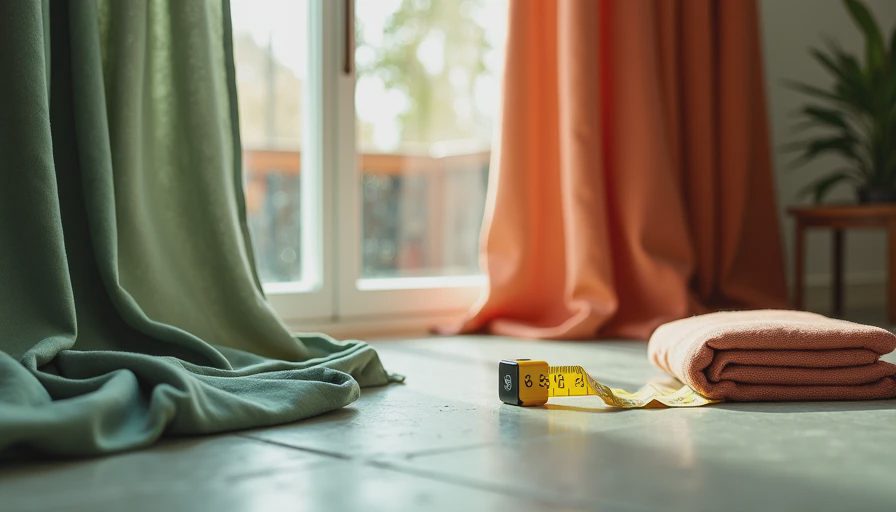
Before buying, measure from the exact point where the rod will sit to the floor. Do not measure from the top of the glass. For a tailored look, subtract about half an inch from the finished length so the hem floats just above the floor. For a relaxed look, let the fabric barely touch the floor. A dramatic puddle is usually a poor bedroom choice because it collects dust and becomes a magnet for toy cars, socks, and vacuum cleaner attachments.

In my own room, I mounted the rod about four inches below the ceiling because the window trim was too narrow for a standard placement. The 108 inch curtains landed just above the hardwood, and the whole wall immediately looked more intentional. That small change worked better than the expensive wallpaper sample I had been considering.
How to Measure for a Full, Finished Look
Length is only half the calculation. Width determines whether your curtains look generous and useful or flat and skimpy. Measure the window frame, then add at least 12 to 24 inches so the panels can extend beyond the glass. This extra space lets you open the curtains without covering the window and makes the window appear wider.
For fullness, plan for the combined curtain width to be roughly 1.5 to 2 times the rod width. A 72-inch window with a 96-inch rod might need two panels that are 50 inches wide each. Sheer fabric usually benefits from more fullness, while thick linen or cotton velvet can look attractive with slightly less.
Remember that package measurements can be confusing. A listing might describe one panel as 50 inches wide, not the pair. Read the product details carefully before ordering. If you are covering a sliding glass door or a very wide bedroom window, four narrower panels can be easier to move than two oversized ones.
The rod should extend beyond the window on both sides, usually 6 to 12 inches depending on available wall space. Use a center support for a long span so the hardware does not sag. A sturdy metal rod in black, brass, or brushed nickel is often enough; you do not need a $300 designer system for a calm bedroom.
Fabric, Lining, and Bedroom Light
Fabric changes the mood more than almost any other curtain decision. Cotton-linen blends feel casual and breathable, while velvet adds weight and sound absorption. Polyester blends are often affordable, washable, and less prone to wrinkling. For a family bedroom, I like a washable blend because real life includes fingerprints, dust, and the occasional breakfast spill.
A blackout lining is helpful for light sleepers, children, and bedrooms facing a bright street. It can reduce morning glare and make a room feel quieter, but it will not make a window fully soundproof. If you want daylight during the afternoon, choose curtains with blackout lining and open them fully rather than buying thin fabric that never gives you darkness.
Thermal lining can reduce drafts around older windows, which matters in a San Francisco Victorian as much as in a cold-weather house. Still, curtains should not cover a radiator or press against a heat source. Leave enough clearance for air to circulate and follow the product instructions.
Color deserves a practical conversation. Warm white, oatmeal, and soft gray are flexible choices that will survive a change from a blue duvet to a rust-colored quilt. If you want pattern, keep the scale moderate. A subtle stripe or small botanical print can add personality without competing with artwork, bedding, or a child’s rotating Lego display.
Styling 108 Inch Curtains in Different Bedrooms
In a primary bedroom, 108 inch curtains look polished in a solid neutral fabric with simple pinch pleats or back tabs. Pair them with a wood bed, two reading lamps, and bedding in related tones. The result feels layered without looking like a hotel room.
For a guest room, consider a soft stripe or small check. Guests rarely need a complicated design, but they do appreciate curtains that close easily and block an early sunrise. A basic curtain ring system can make operation simpler for visitors who do not know which panel pulls where.
In a child’s room, resist the urge to choose a theme that will be outgrown in six months. Sophie wanted hot pink curtains when she was five. We used a washable pale pink panel instead and added color through art and bedding. If the window is near a bed, secure cords and keep furniture away from looped operating cords. Cordless shades or carefully installed curtain hardware are safer choices for young children.
For an apartment bedroom, ceiling-mounted tracks can be excellent when there is limited wall space or an awkward corner. They also allow curtains to wrap slightly around the window, improving privacy and reducing side light. If drilling is restricted, use a tension solution only for lightweight fabric; heavy 108 inch curtains need properly anchored hardware.
Common Mistakes to Avoid
The first mistake is ordering based on a stock photo instead of your own measurements. A panel photographed on a ten-foot ceiling may look completely different in a room with eight-foot ceilings. The second is mounting the rod directly above the window frame, which can make the ceiling feel lower.
Another problem is choosing panels that are too narrow. Even beautiful fabric looks unfinished when it cannot cover the window or stack neatly at the side. Skipping a lining can also create a thin, translucent appearance at night, especially when bedroom lights are on.
Finally, do not ignore the return policy. Order a fabric swatch when possible, then view it in both morning and evening light. A cream panel can look yellow beside cool white walls, while a gray panel may read blue next to certain bulbs. Color is always a relationship, not an isolated sample.
The best 108 inch curtains should make your bedroom easier to live in: darker when you need sleep, softer when the room feels bare, and tidy when the panels are open. Your bedroom does not have to be perfect. It just has to be yours. This weekend, measure from your proposed rod height to the floor, photograph the window wall, and save two curtain options before buying anything.