When I first moved into my Victorian flat in San Francisco, the dining room became a homework zone, mail drop, and extra pantry all at once. That is exactly why dining room storage matters: if one room has three jobs, it needs furniture that swallows the mess without making the space feel packed. I learned that after too many evenings clearing chargers, crayons, and serving bowls before dinner. The fix was not a bigger table. It was better storage that looked like part of the room.
Start with what the room has to hide
The first rule of dining room storage is to decide what belongs there. For some homes, that means extra plates, napkins, serving trays, and holiday dishes. For others, it is homework supplies, puzzle boxes, candles, and the stack of papers that never quite leaves the table. Once you know what needs a home, choosing the right piece gets easier.
I like closed storage first because it keeps the room calm. Open shelves can look pretty, but they ask you to keep every bowl and box styled. If you have kids, roommates, or a partner who drops keys on every flat surface, doors are your friend. A cabinet with adjustable shelves gives you flexibility, and a shallow depth, around 16 to 18 inches, keeps the room from feeling crowded.
Choose furniture that acts like a tool, not a decoration
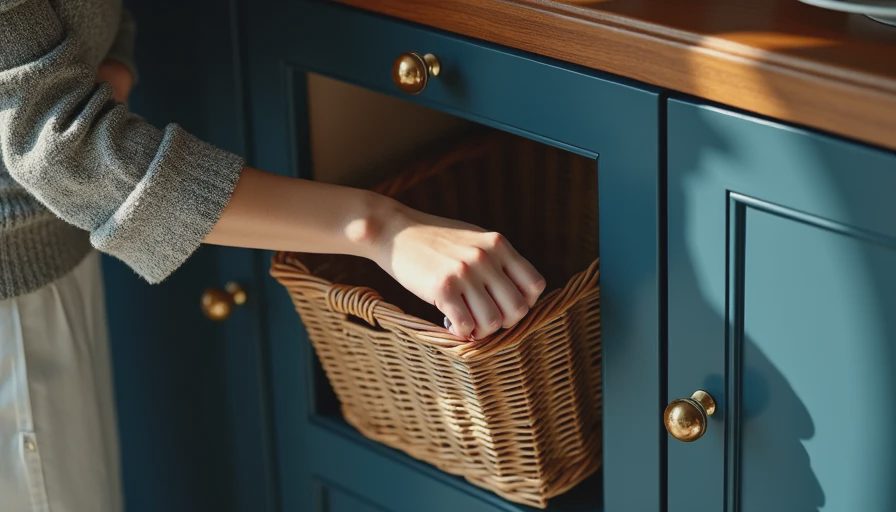
For most homes, the best dining room storage is a closed sideboard or buffet. It gives you a place for platters, glassware, linens, and candles without stealing the show. An IKEA cabinet with doors can be a solid budget move for a few hundred dollars. If you want something warmer, a wood buffet from Article, West Elm, or CB2 often lands between $700 and $1,500 depending on size and finish. That is still cheaper than custom millwork, which can climb fast once labor and trim are included.
A storage bench can also earn its keep if the dining area doubles as an entry zone or breakfast nook. I have used one in an apartment to store games and spare placemats, and it made the room feel less formal in a good way. Just make sure the bench is sturdy enough to sit on and that the lid opens without banging into the table.
Make a small room feel larger, not more crowded
In a small apartment, dining room storage has to earn wall space. That means choosing pieces that work vertically or disappear visually. A cabinet with legs looks lighter than one that sits flat on the floor. A wall-mounted shelf above a sideboard can hold a tray, a plant, or a pair of framed prints without taking up more floor area. If your room is long and narrow, one deep piece usually beats two small pieces fighting each other.
Glass-front cabinets can work too, but only if you are honest about what will live inside. A few matching bowls and a stack of white plates look tidy. Random cereal boxes do not. If you want the room to feel open, repeat one finish or color from the table or chairs. A walnut cabinet with a walnut table reads calm. A black metal cabinet beside black dining chairs feels deliberate.
Organize the inside so it stays usable
Inside any piece of dining room storage, use simple containers that stop little things from drifting. Trays are great for candles and serving spoons. Clear bins work well for napkins, cocktail supplies, and board games. Drawer dividers keep matches, corkscrews, and tea lights from becoming one messy drawer. The Container Store, IKEA, and Target all sell versions that do the job without a big price tag.
I like to group items by how often they are used. Daily items go on the easiest shelf. Holiday dishes and serving pieces can live higher up. If you host often, keep a small basket for bar tools and another for chargers or homework supplies so they are easy to grab and put back. Labeling helps in shared homes, but you do not need a label maker for everything.
Make the storage look like furniture, not overflow
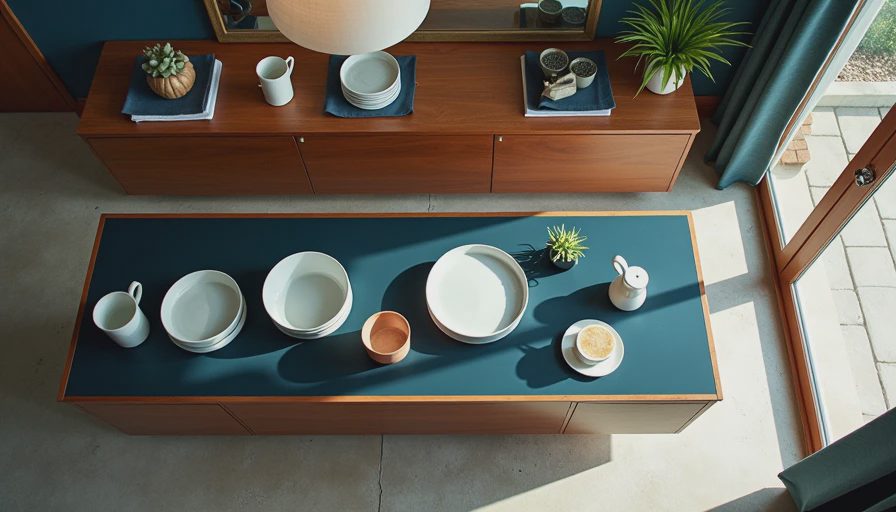
Good dining room storage should read as part of the design, not a place where random extras go to hide. That means choosing finishes that match the rest of the room and keeping the top surface edited. One lamp, one bowl, and one framed photo or vase is usually enough. If the cabinet top becomes a landing strip for mail, it will start to look busy even if the doors are closed. If the room already has art, echo one frame color in the cabinet finish and the whole wall feels calmer.
Lighting matters more than people think. A buffet lamp, a pendant over the table, or even a plug-in sconce can make the setup feel finished. I also like a rug that reaches under the front legs of the table and at least the front legs of the chairs. It anchors the room and makes the storage piece look like it belongs.
Give the room a simple weekend reset
If your dining room storage still feels chaotic, start with one wall and one problem. Pull everything off the surface, sort what belongs in the room, and move the rest out. Then measure the wall, pick one cabinet or buffet that fits the space, and buy two bins for the inside. That is usually enough to turn a catchall into a room you can use.
This weekend, clear the table, choose one storage anchor, and organize one shelf or drawer first. That is enough to get moving.