When my daughter Sophie decided her old room felt “too babyish,” she did not want a long design conversation. She wanted hot pink curtains, a stuffed-bunny lamp, and a place to build Lego kingdoms without losing the pieces under the bed. That is usually where a kids bed project goes sideways: the bed becomes a theme first and a sleep setup second. After redesigning my own room twice and helping families with dozens of bedrooms, I keep coming back to the same idea: the best setup is the one that makes bedtime easier, cleanup faster, and the room calmer at 9 p.m. A good kids bed should do those three jobs without taking over the whole room.
Start with the frame, then the mattress
A kids bed should begin with the frame, not the bedding. If the frame wobbles, squeaks, or sits too high for a younger child, you will notice it every single night. I like a low platform or a simple wood frame with solid slats, because it feels stable and usually looks good for years. For younger children, a twin is often the sweet spot. It gives enough room to sleep comfortably without crowding a small bedroom. For taller kids, or for a room that doubles as a reading spot, a full bed can be worth the extra footprint.
On the mattress side, a lot of families do well in the middle range, somewhere around $250 to $700 for a twin or full, depending on materials and brand. I have seen decent options from Tuft & Needle, Casper, and IKEA sit in that range, while more premium youth mattresses can run higher. What matters most is support and a washable protector. A low, steady frame and a clean mattress protect the room from the kind of nightly chaos that comes with snacks, spills, and bedtime water cups.
The other detail I never skip is height. A kids bed that sits lower to the floor feels easier for a five-year-old to climb into, and it also gives you a little more peace of mind if your child rolls around at night. If you want storage, add shallow bins later instead of buying a bulky bed base right away.
Choose size based on the room, not the wishlist
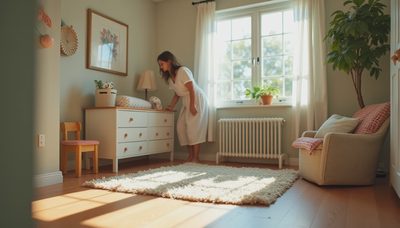
This is where many bedroom plans go wrong. A room can look generous on a mood board and still feel cramped once the dresser, door swing, and toy baskets are in place. I always measure the bed footprint first, then I leave walking space on at least one side if I can. In a small room, a kids bed needs room to breathe so the child can get in, get out, and make the bed without climbing over furniture.
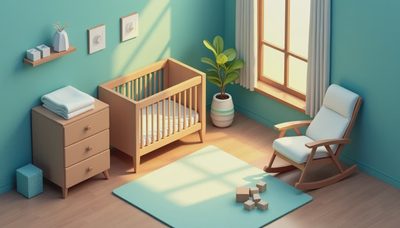
If the room is narrow, keep the bed on the longest wall and let the other pieces stay compact. A small nightstand, a wall lamp, and a narrow dresser often work better than squeezing in a big storage bed with oversized drawers. That is especially true in older apartments where the closet is already doing too much. If you need under-bed storage, choose clear bins or low lidded boxes that slide easily. The goal is not to store everything under the mattress. The goal is to keep the floor open enough that the room still feels like a room.
Build sleep cues into the room
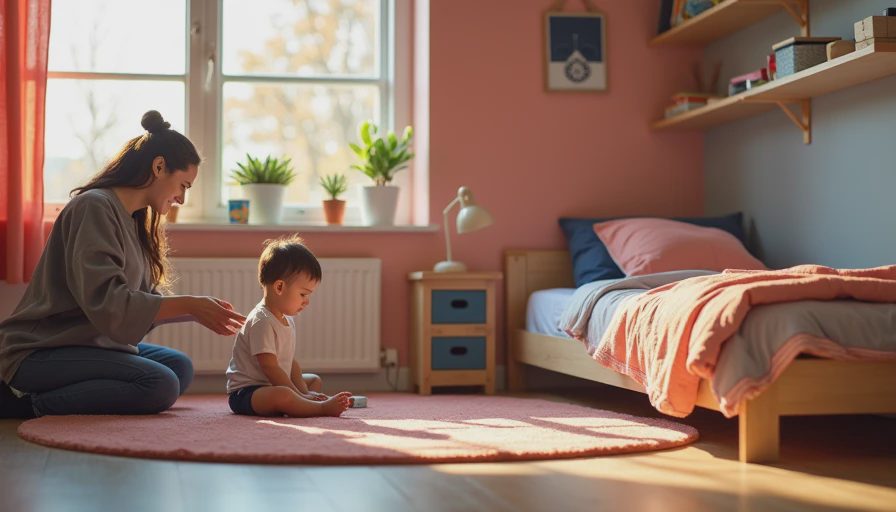
The bed is only part of the sleep setup. Lighting matters just as much. A bright overhead fixture is fine for sorting laundry, but bedtime goes better with a warmer bedside lamp or a small wall sconce that can be dimmed. I like a reading light that an adult can reach easily and a blackout shade or lined curtain if the windows are bright in the morning. That one change can save everyone from the 6 a.m. wake-up call.
Bedding should be practical, not precious. Cotton percale sheets feel crisp and wash well. A washable duvet cover or quilt is easier to live with than something that needs dry cleaning. For younger children, a guardrail or a tucked-in top sheet can help them feel secure without turning the bed into a fortress. A water carafe, a small trash can, and one basket for stuffed animals or extra blankets also make bedtime smoother.
This is where a kids bed setup earns its keep. When the bed, light, and storage all work together, the room gets quieter. Bedtime stops feeling like a negotiation. Morning cleanup gets faster too, because there is a place for books, pajamas, and the random rock collection that somehow ended up on the pillow.
What I learned when Sophie outgrew her room
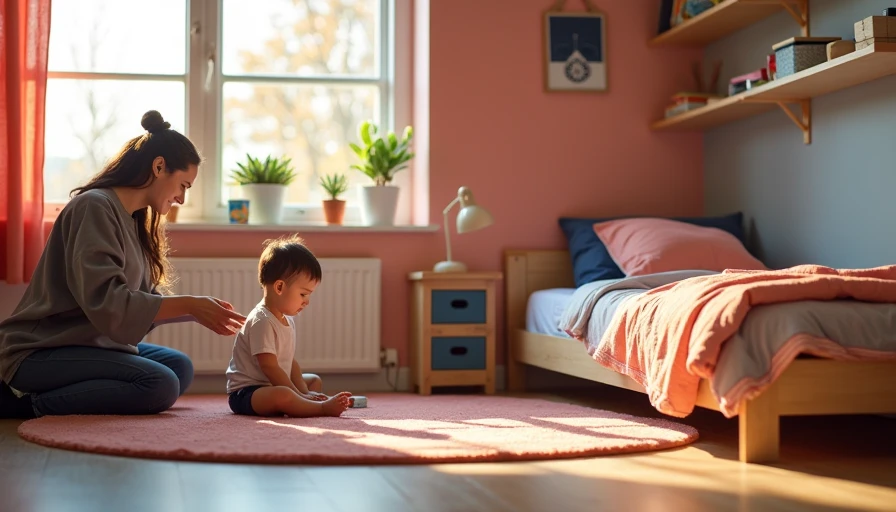
When Sophie outgrew her toddler setup, I assumed the hardest part would be picking the right frame. It was not. The hard part was admitting that she needed the room to do more than look cute. She wanted a place to read, a place to line up dolls, and a place where she could spread out school papers without losing her favorite marker. We switched her to a simple twin frame with a low headboard, kept the dresser, and added a wall shelf above the bed for books. The room instantly felt less crowded.
She still got the pink curtains, by the way. I am a designer, not a monster. But the curtains were one accent, not the whole plan. The bigger win was that her kids bed became the anchor for the room instead of the thing that forced every other choice. That is the part parents usually feel in their daily routine: fewer arguments at bedtime, less clutter on the floor, and a room that looks finished even when the laundry basket is full.

A simple shopping list that keeps the budget sane
If you are starting from scratch, I would build the room in this order: frame, mattress, protector, lamp, then storage. A basic frame can land around $100 to $300. A decent mattress often sits in the $250 to $700 range. A protector usually costs $25 to $60, and a good reading lamp can run from $30 to $120. Add a couple of storage bins or a narrow nightstand, and you can still keep the whole project under what many families spend on a single decorative headboard.
For shoppers who want something easy, IKEA and Target often have straightforward frames that do the job without a lot of drama. Wayfair can be useful if you need a specific size or a style that fits an awkward room. Pottery Barn Kids tends to lean more polished and coordinated, which some families love if they want the bed to match the rest of the room. None of that matters if the frame is too tall, the mattress is too soft, or the room has nowhere to put pajamas.
When to upgrade and how to know you are ready
A change is usually worth it when your child starts complaining that the mattress feels cramped, when bedtime books are getting read on the floor because the bed is too small for two people, or when the room starts to look cluttered even after you clean it. That is the moment to step back and decide whether the current setup still matches real life. A kids bed should make the room easier to use, not give you one more thing to trip over.
If you are shopping this weekend, measure the room, check the door swing, and write down the bed size that leaves the best walking path. Then compare two frames and one mattress in your price range before you buy anything else. That single hour of planning can save you from a return truck later. Your bedroom doesn't have to be perfect. It just has to be yours.