
When Sophie decided her stuffed giraffe needed a pillow, we knew the crib stage was over. A toddler bed made the move feel less like a huge milestone and more like a simple room update, which is exactly what most families need at 7:30 at night. The best version is low, sturdy, easy to clean, and calm enough that nobody is hunting for a missing blanket after lights out.
Here’s what I learned after doing this in our own house: the frame matters, but the room plan matters more. If you get the layout right, a child settles faster, the room feels less cluttered, and you are not tripping over a toy bin on the way to the door.
What I look for first in a toddler bed
A toddler bed should sit low to the floor and use a crib mattress if you already have one in good shape. That keeps the switch familiar, and it saves money right away. Most crib mattresses measure about 52 by 28 inches, so if you are shopping for a new frame, check the size before you fall in love with the style. A simple wood frame from Delta Children, Storkcraft, DaVinci, or IKEA is usually enough for this stage.
I also like a built-in guardrail or the option to add one, especially for a child who rolls around like a cat in a laundry basket. The goal is not to create a miniature showpiece. It is to build a sleep spot that is safe, easy to remake, and simple enough that you do not dread bedtime. In my experience, a lower frame with rounded corners and no sharp footboard is easier to live with than a fussy decorative version.
Price-wise, you can get a solid starter setup for about $100 to $250, and that is before bedding. If you are spending more, make sure you are paying for real construction, not just a cute shape.
The right room layout matters more than the frame
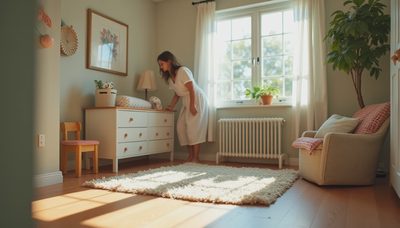
For a toddler bed, I start with the longest wall and keep the bed away from the door swing if possible. That gives you a clearer path for a parent who is carrying laundry, water, or a sleepy kid back from the bathroom. In a small room, even six inches can make the difference between a bed that feels tucked in and one that blocks the whole floor plan.
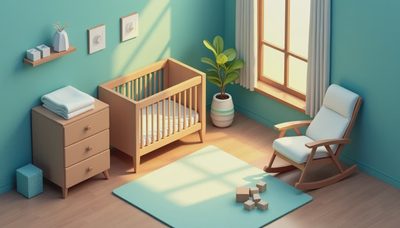
Here’s what we did in Sophie’s room: we kept the bed on the wall opposite the closet, then used one narrow nightstand instead of two bulky pieces. A wall-mounted reading light freed up surface space, and a soft rug beside the bed made the room feel warmer without adding clutter. If the room is tight, skip the extra bench at the foot of the bed. That square footage is usually better spent on a basket for pajamas or a bin for bedtime books.
When the room has to do double duty, a calm palette helps more than a theme. White bedding, one favorite color, and a single framed print can make the whole corner feel intentional. You do not need to cover every surface in toddler graphics to make a child happy.

How to make bedtime feel familiar
The move from crib to a toddler bed goes more smoothly when the bedtime routine stays exactly the same. Same bath, same book, same stuffed animals, same song. The furniture change is already a lot of newness, so do not stack on a new blanket, a new lamp, and a new bedtime rule all in the same week.
One trick that worked for us was letting Sophie help choose the sheet pattern. She picked something loud and pink, of course, but giving her a small choice made the new bed feel like hers instead of something that had been dropped into the room by grown-up committee. If you want a quieter look, choose one playful element, like a striped quilt or a pillow with a stitched shape, and keep the rest simple.
A night light can help too. I like a warm one with a dimmer, not a bright blue glow that keeps everyone alert. If your child wakes up easily, place the light near the door rather than right beside the pillow. That keeps the sleeping zone calmer while still making midnight trips less dramatic.
Where to spend and where to save
For a toddler bed, I would spend on the mattress, the guardrail, and the frame, in that order. A decent crib mattress can run from about $100 to $200, and a firm, clean one matters more than a trendy headboard. If you are buying new, look for easy-to-clean fabric or a wipeable cover, because spills and surprise accidents happen.
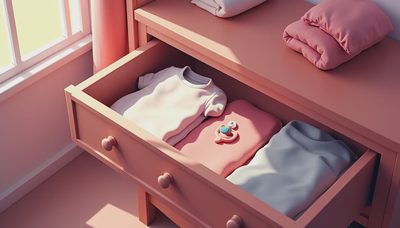
You can save on bedding and accessories. Target, IKEA, and Amazon all have simple sheet sets that work fine for this stage, and you do not need a matching five-piece bedding bundle. One good fitted sheet, a washable quilt, and a backup sheet set will get you farther than a fancy bedroom collection. If you need storage, use a basic fabric bin or a low dresser instead of overbuying special kids furniture that will only fit for a year.
The other place to save is on novelty. Car-shaped frames and elaborate house beds look fun online, but they can crowd a small room fast and age out even faster. A straightforward frame gives you more flexibility when you need to swap in a bigger lamp, add homework storage, or eventually move to a twin.

When a bigger bed makes sense
Not every child needs to stay in a toddler bed for long. If a child is tall for age, kicks the rail every night, or seems cramped after a few months, a twin can actually be the calmer choice. I have seen families spend $180 on a smaller bed, then turn around and buy a twin six months later. That is a frustrating way to spend money.
If you think the move might be short-lived, do the math before you buy. A simple twin frame, a decent mattress, and a couple of washable bedding sets can often cost only a little more than a fully dressed toddler setup. The tradeoff is footprint, so this works best in a room with enough clearance to keep the dresser and chair usable. In a very small room, the smaller bed can still be the smarter bridge.
The biggest mistake is choosing based on the cutest photo instead of the room you actually have. Measure the wall, check the closet door, and leave space for a parent to sit on the edge of the bed without bumping into furniture. That is the difference between a room that photographs well and one that works on a Tuesday night.
If you are shopping this week, start with the mattress size you already own, measure the floor plan, and pick the simplest frame that fits the room. That is usually enough. Your bedroom doesn't have to be perfect. It just has to be yours. This weekend, clear the floor, tape off the bed footprint, and decide whether you can reuse the crib mattress before you buy anything new.