
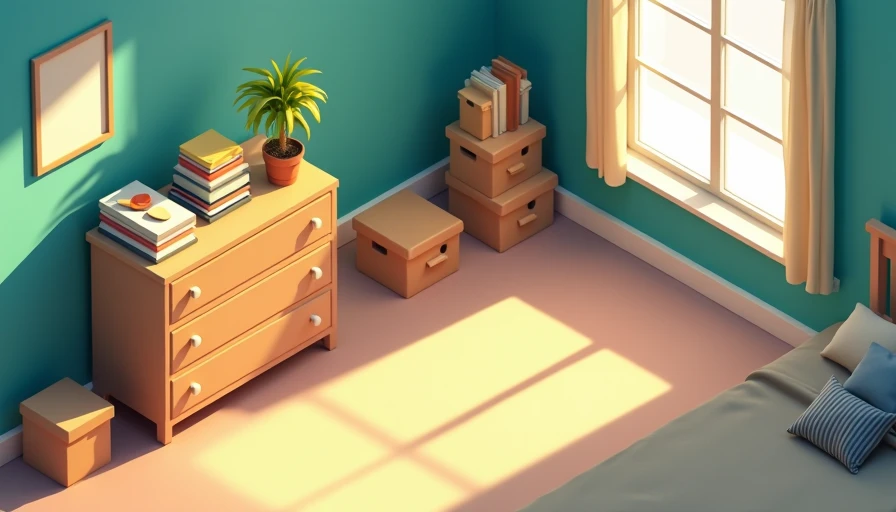
Last Sunday, I found three mugs, a ballet shoe, and a small Lego vehicle under my daughter Sophie's bed. None belonged there, but all three had apparently become part of the room's ecosystem. If you want to declutter room spaces without making them feel sterile, start with this truth: a bedroom is not a showroom. It is where people sleep, dress, read, work, hide laundry, and occasionally eat crackers.
After designing dozens of bedrooms, I have learned that the fastest way to declutter room areas is not buying more baskets. It is deciding what the room needs to do, then giving every daily item a sensible home. Your bedroom doesn't have to be perfect. It just has to be yours.
Start with a ten-minute room audit
Before you pull everything out, stand in the doorway and look at the room as if you were a guest. What catches your eye first? A chair covered in clothes, an overfilled dresser, or a floor that has disappeared under bags? Those visual hot spots usually tell you where the system is failing.
Here is what I did in my own room: I walked around with four reusable shopping bags labeled elsewhere, laundry, donate, and repair. I did not make a fifth bag called decide later. That category is how clutter moves from one surface to another. If an item belongs somewhere else, take it there immediately. If it is damaged, put it in the repair bag and set a deadline of seven days.
Work in one zone at a time. The floor, nightstand, dresser, closet, and chair each deserve a separate pass. This keeps the process small enough to finish before dinner and makes it easier to declutter room clutter without creating a larger pile in the hallway.

Edit belongings by frequency, not guilt
A bedroom becomes crowded when rarely used things take up prime real estate. Keep the items you use daily within easy reach. Seasonal clothing, formal shoes, spare bedding, and sentimental objects can live higher up, farther back, or in another room.
For clothing, use a simple three-question test. Have you worn it in the last year? Does it fit your current life? Would you choose it again today? A no to two questions is a strong signal. You do not need to throw away a good wool coat because it has not been worn recently, but you probably do not need six nearly identical black T-shirts in the top drawer.
When I help a family declutter room storage, I often find that the problem is not too many possessions. It is too many possessions stored in the wrong places. Keep pajamas near the bed, everyday clothes between waist and shoulder height, and luggage where it does not compete with the morning routine. Storage should follow behavior rather than an idealized catalog image.
For children, use a smaller standard. Sophie has one open bin for current treasures, one drawer for art supplies, and a shelf for books. When the treasure bin is full, she chooses what stays. The decision is hers, but the container sets the limit.
Make storage easier than dropping things
People do not fail at organization because they are lazy. They fail when putting something away requires too many steps. A lid that needs two hands, a drawer blocked by a bed, or a closet hanger packed too tightly will send clothing to the nearest chair.
Use open baskets for soft items such as pajamas, blankets, and stuffed animals. Choose a lidded container for seasonal accessories or keepsakes. Under-bed boxes from IKEA or The Container Store can hold off-season clothing, but measure the clearance first; many platform beds leave less space than expected. A six-drawer dresser in the $250 to $500 range can be more useful than a large decorative chest with shallow drawers.
To declutter room surfaces, give the nightstand only three jobs: hold a lamp, provide a place for a book, and contain small bedtime necessities. A narrow tray, such as a simple wood or metal catchall under $25, prevents glasses, lip balm, and charging cables from spreading across the top.
If laundry is the recurring problem, move the hamper closer to where clothes actually come off. A slim 12-inch-wide hamper can fit beside a dresser or behind a door. The best laundry system is the one that does not require crossing the room.

Use the closet as a daily tool
A closet should help you get dressed faster, not make you excavate it every morning. Start by removing anything that belongs in another room. Then group clothing by category: tops, pants, dresses, jackets, and special items. Within each category, arrange pieces from light to dark or short to long. The exact method matters less than being able to see what you own.
Matching slim hangers can create useful extra space, often more cheaply than a full closet renovation. Add one shelf divider for bags and a small basket for belts or scarves. If shoes cover the floor, try a vertical rack or a low shelf rather than stacking pairs in front of the closet opening.
A helpful rule is to leave roughly 15 percent of hanging space open. That breathing room makes the closet easier to use and gives new purchases a clear limit. If you are planning a larger declutter room project, measure the closet before shopping for organizers. A system designed for a 24-inch section will not fit neatly into a 21-inch alcove.
Keep the room calm after the reset
The first cleanout feels satisfying, but maintenance is what changes the room. Spend five minutes each evening returning cups, clothing, and chargers to their homes. Once a week, clear the chair completely. It is not a wardrobe, even if everyone in the house treats it like one.
Use a small basket for items that need to leave the bedroom. Empty it whenever you walk downstairs. For children, a two-minute floor pickup before a story works better than a large weekend lecture. For adults, setting a phone reminder before bed can interrupt the habit of leaving tomorrow's mess for tomorrow morning.
Every three months, review the problem areas rather than repeating a giant purge. If the same items keep landing beside the bed, change the storage. If clean laundry remains in a basket, place a folding surface near the closet. The goal of a declutter room plan is not constant discipline; it is a room arranged around real behavior.
A realistic weekend plan
On Saturday morning, spend 20 minutes clearing the floor and obvious trash. Take donation items to the car immediately so they do not return to the room. After lunch, edit one drawer and one closet section. Stop before you become exhausted.
On Sunday, improve one storage problem. Buy a basket, relocate the hamper, add a hook, or remove a piece of furniture that blocks circulation. Photograph the room before and after if you want a useful record. You will notice that removing one oversized chair can create more calm than adding a dozen decorative accessories.
Start small enough to finish, then let the room teach you what it needs. A better bedroom is not created by hiding every personal thing. It comes from making space for sleep, dressing, and the life that happens between them. This weekend, choose one surface and return every object on it to a deliberate home.