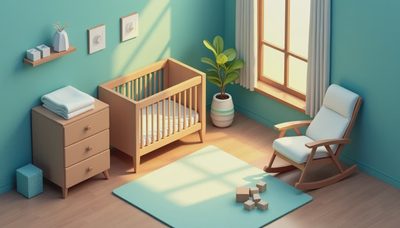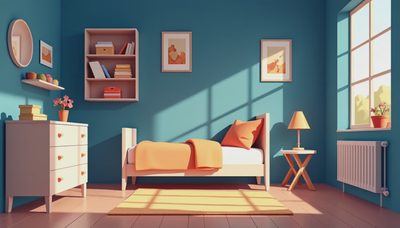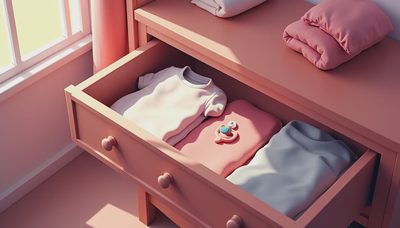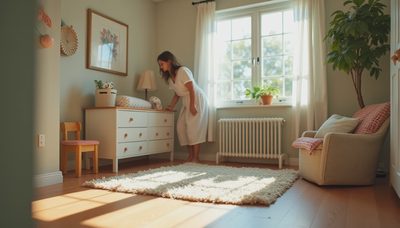
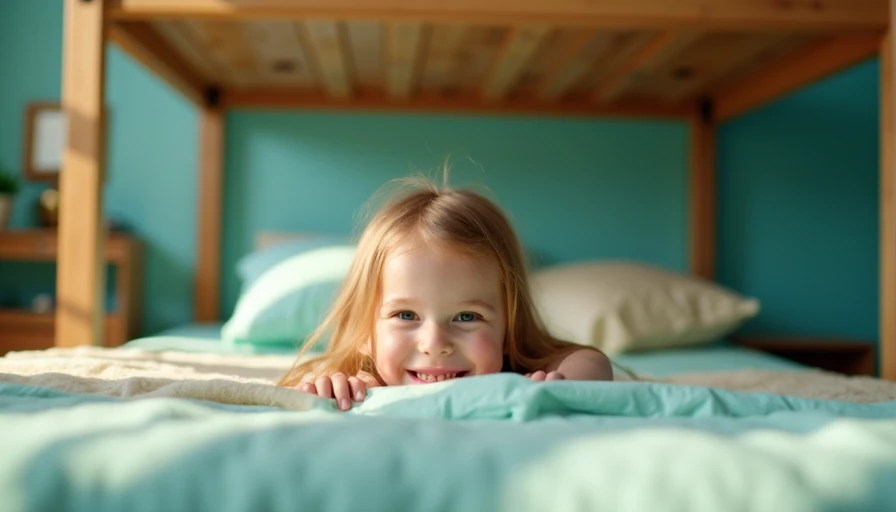
When Sophie was seven, she wanted hot pink curtains, a reading nook, and room for a Lego city that spread across the floor like a small disaster. That was the moment I stopped thinking about kids bedroom sets as matching furniture and started treating them like a layout problem. The right set should make bedtime easier, keep toys from swallowing the room, and still make sense when your child is nine or eleven. In my own house, I wanted fewer pieces, not more, and I wanted each one to earn its place.
What a set should solve first
The best kids bedroom sets do three jobs before they do anything decorative. They give you a bed that fits the room, storage that a child can actually use, and a nightstand or dresser that does not fight the door swing. If a bundle looks cute but leaves no path to the closet, it is not a win. I like sets that include a low dresser, a simple headboard, and at least one piece with closed storage. IKEA, Pottery Barn Kids, and Crate & Kids all sell versions of that idea, but the real test is whether the drawers open fully and the bed leaves enough floor for play.
A good rule from my design projects: spend for the parts a child touches every day. Drawer slides, bed rails, and hardware matter more than a themed canopy that will feel dated in two years. If you are choosing between a prettier dresser and a sturdier one, pick the sturdier one. Kids bedroom sets should be easy to clean around, easy to climb into, and boring in the best possible way.
Choose pieces that can survive the next three ages
Here’s what I did in Sophie’s room: I kept the bed neutral, chose a dresser with deep drawers, and let the color show up in bedding, art, and curtains. That let us move from dinosaurs to dance recitals without replacing the whole room. For kids bedroom sets, the safest move is to avoid built-in baby cues like rails shaped like cars, tiny knobs that are hard to grip, or oversized novelty headboards. A plain twin or full bed can last through elementary school and often into the teen years if the mattress size still works.
Think about function in layers. First layer: sleep. Second layer: storage for clothes and books. Third layer: display space for toys, trophies, or the drawing taped to the wall this week. If the set does not leave room for those layers, the room will feel cluttered fast. I also like matching wood tones or painted finishes that are common enough to replace later. White, oak, walnut, and soft gray tend to be easier to mix with newer pieces.
Small rooms need tighter rules
In a small bedroom, kids bedroom sets should get simpler, not bigger. Skip the huge footboard and the armoire if a standard dresser will do. A bed with open space underneath can hold bins, but only if your child is willing to use them. If not, the bins become a place where missing socks go to disappear forever. I usually prefer a twin bed in a compact room and a full bed only when the room can handle the wider footprint without blocking windows or storage.
Measure before you fall in love with a package. Leave at least 24 inches of walking space where possible, and check whether the dresser drawers can open while someone is standing at the closet. A room with a 36-inch-wide path feels calmer than one where you have to turn sideways. If the room is odd-shaped, a set with separate pieces is usually smarter than one giant matching collection. You can place the dresser where it fits, then choose a nightstand that is lighter and easier to move later.
Budget where it counts
You do not have to buy the fanciest kids bedroom sets to get a room that feels finished. I would rather see a family spend $700 to $1,500 on a solid bed and dresser combo than blow the whole budget on decorative extras that do not help the room function. At the lower end, Target, IKEA, and Wayfair can work if you choose straightforward pieces and check reviews for drawer issues or wobble. In the middle, brands like Pottery Barn Kids, Crate & Kids, and Room & Board Kids tend to offer cleaner finishes and more durable construction, though the price climbs fast.
A smart split is to buy the bed and dresser first, then add a $120 lamp, a $40 rug pad, and a $60 set of blackout curtains later. That way the room feels finished without locking you into one theme. If you are shopping a collection, compare the price of the exact bundle to buying each item separately. Sometimes a set saves a few hundred dollars, and sometimes it just gives you pieces you did not actually need.
Build it in phases, not all at once
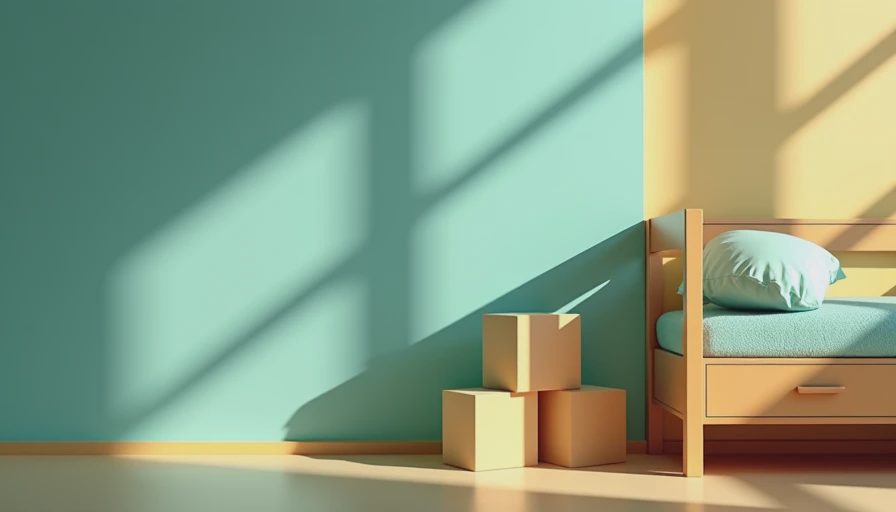
The easiest way to approach kids bedroom sets is to treat them as a starting point, not a permanent script. Buy the bed, dresser, and one small bedside surface first. Live with them for a month. Then decide whether the room needs a bookcase, a desk, or just better bins for the floor. In Sophie’s room, the bookcase came later, after I realized the real problem was nowhere to dump library books and art supplies.
This is also where mix-and-match can save the room. A matching set works best when it supports everything else you want to add: task lighting, washable bedding, a hamper, and maybe a chair that can survive bedtime stories. If the room already has a good dresser or bed, you do not need to force a whole set just for symmetry. You need a room that helps your child get dressed, read, and clean up with minimal drama.
If you are starting this weekend, measure the room, decide what has to stay, and write down the three functions the furniture must solve. That one page will make shopping faster than scrolling for another two hours. Your bedroom doesn't have to be perfect. It just has to be yours.