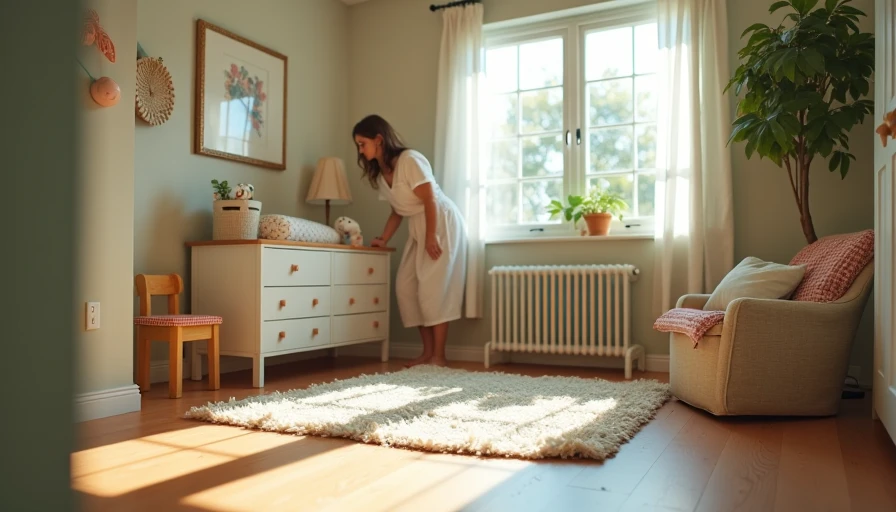
Last spring, Sophie told me her room needed a bigger bed, a brighter lamp, and a place for every single Lego brick. She was right about two of the three. That was my reminder that kids furniture has to do more than look cute in a catalog. It needs to handle bedtime chaos, morning dressing, craft supplies, stuffed animals, and the occasional jump off the bed when a blanket fort is under construction. In a real house, the right pieces should make the room calmer, not busier.
Here’s what I did in my own home: I stopped buying little matching sets and started choosing pieces the way I would for any bedroom, just with more attention to durability and cleanup. One good bed, one sturdy dresser, one storage piece that actually gets used. That simple shift made the room feel bigger and easier to live in.
How I Shop for Kids Furniture That Actually Lasts
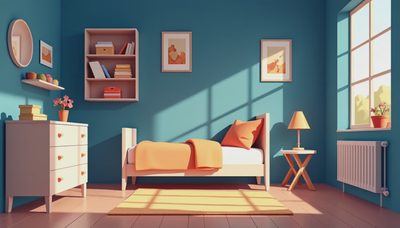
The first thing I look at is scale. A room can feel cramped fast when every piece is oversized or visually heavy. A low bed frame, a dresser with clean lines, and a slim nightstand often do more for a child’s room than a bulky set with carved details. I like to leave open floor space on purpose, because that is where the play happens.
The best kids furniture is usually the least precious looking piece in the room. That does not mean flimsy. It means a bed that can take a little abuse, drawers that glide without sticking, and finishes that do not make you panic when someone comes in with sticky hands. In a smaller room, I would rather have a simple twin bed from IKEA or Crate & Kids and spend more on a solid dresser than buy a full suite that all ages out at once.
Matching is not the goal. Function is. If the bed is clean and neutral, you can change the room with bedding, art, and a rug as your child’s interests change. That is a much cheaper refresh than replacing everything every few years.
Pick Materials You Can Clean Without Stress
When people ask me what matters most, I start with the surfaces. Kids furniture should be easy to wipe down, and the hardware should feel sturdy in your hand. Solid wood costs more, but it can be worth it for a dresser or bed frame that will stay in the house for years. A good laminate or veneer piece can be a smart buy too, especially if the room is temporary or the budget is tight.
I also look for rounded corners, smooth drawer pulls, and a finish that will not show every fingerprint. If you are shopping for a dresser, anchor it to the wall. That is not a style choice, it is a safety step. The same goes for tall bookcases and shelving towers. A room can still look polished with practical safety in place.
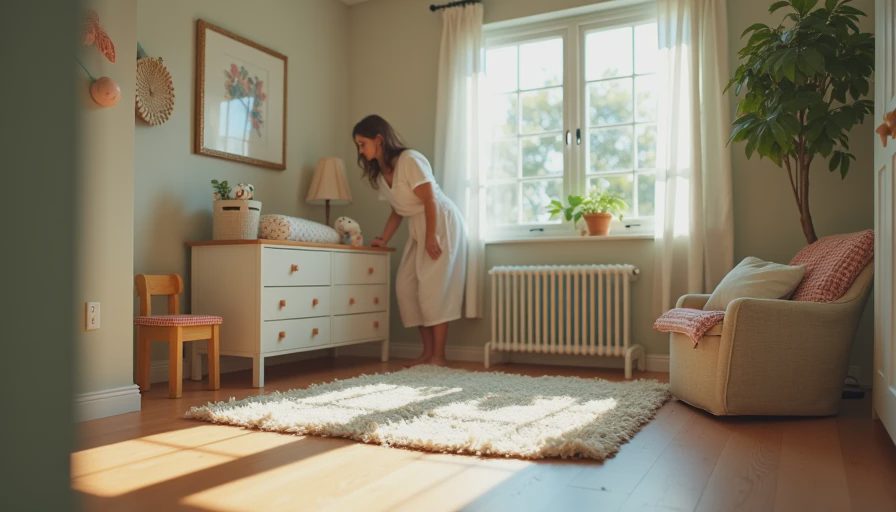
For bedding-adjacent pieces, I like easy wins: a washable bench cushion, a lamp with a simple switch, and a nightstand with one drawer and one open shelf. Those details sound minor, but they cut down on clutter in a big way.
Storage Should Teach Cleanup, Not Create More Work
A child’s room gets messy because it is supposed to be active. The trick is to make cleanup obvious. Open bins work better than deep baskets that swallow everything. Drawer dividers help more than people expect. And if a shelf is too high for your child to reach, it is not really their storage, it is yours.
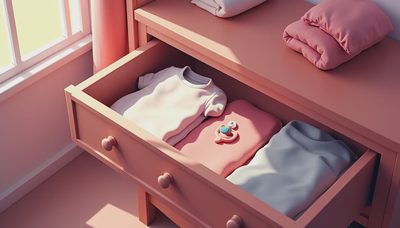
I like a mix of closed storage and visible storage. Closed drawers hide socks, pajamas, and the odd mystery object. Open bins or cubes hold toys that need to be sorted fast at the end of the day. IKEA TROFAST is popular for a reason, and cube systems like KALLAX can work well when you pair them with soft bins. If you want a slightly more grown-up look, a low bookshelf plus a lidded basket does the same job without feeling nursery-ish.
The best kids furniture often solves a behavior problem. A bench at the door catches backpacks. A narrow hamper keeps laundry from becoming a floor pile. A dresser with wide drawers makes it easier for a child to put away clothes without adult help. That is the stuff that makes a room feel functional on a Tuesday night.
Make the Room Flexible Enough to Grow
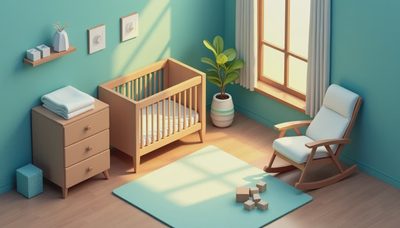
Children outgrow rooms faster than furniture, so I like pieces that can shift roles. A twin bed can become the guest bed later. A small desk can start as a drawing station and end up as homework central. A low bookcase can move from nursery storage to a place for chapter books, then to a hallway catchall if the room changes again.
Good kids furniture is the kind you do not have to explain away in two years. A simple upholstered headboard, a dresser in a wood tone instead of a cartoon color, and a desk chair with a washable seat all age well. That does not mean the room has to feel bland. You can get color from curtains, a rug, peel-and-stick decals, and art your child actually picked out. Sophie once chose hot pink curtains for her room, and I let her. The rest of the room stayed calm enough that the pink looked cheerful instead of loud.
If you are designing for more than one child, flexibility matters even more. A trundle bed or bunk bed can solve a sleepover issue without taking over the room all year. A shared dresser with labeled drawers keeps arguments down. If one child needs a homework spot and the other wants floor space, divide the room by activity instead of trying to make everything match.

A Realistic Budget Helps You Buy Better, Not More
You do not need to buy everything at once. In fact, the rooms that work best usually grow in layers. Start with sleep, then storage, then a surface for reading or homework. A basic twin bed frame might run from about $150 to $400. A sturdy dresser can range from $200 to $800 depending on material and brand. A simple desk can be found for less than $200, while a more finished version can go a lot higher. The point is not to spend the most. It is to spend where the room gets the most use.
I often tell families to put more money into the bed and dresser, then save on the pieces that change often. That is where kids furniture makes the biggest difference. A good bed and dresser carry the room for years. A lamp, rug, and bins can be swapped later without starting over.
If you are shopping this weekend, walk through the room and ask three questions: What gets used every day, what gets in the way, and what can disappear? That quick audit usually tells you whether you need more storage, a smaller bed, or just a better layout. After that, measure the wall space, check the drawer depth, and buy the piece that solves the problem instead of the one that just looks charming online.
Your child’s room does not have to be perfect. It just has to be theirs. Your bedroom doesn't have to be perfect. It just has to be yours.