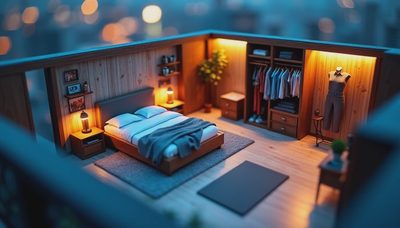

The first bedroom furniture sets I ever chose for my own home looked beautiful in the showroom and made me quietly furious by bedtime. The dresser blocked a drawer, the nightstands swallowed the reading lamps, and Tom's side of the bed had nowhere for his phone. A coordinated room is not automatically a functional room. The right collection should help you sleep, get dressed, and move through the morning without bumping into something.
Start with the room, not the catalog
Before browsing bedroom furniture sets, measure the room's usable walls, door swings, window trim, and heating vents. Leave at least 24 inches of walking space beside the bed when possible; 30 inches feels much better in a primary bedroom. A queen bed is about 60 by 80 inches, while a king is 76 by 80, so that upgrade can erase more floor space than expected.
Here's what I did in my own room: I taped the bed and case pieces on the floor with painter's tape for one Saturday. That quick mockup showed that two 30-inch nightstands would crowd the window, while two 22-inch tables left comfortable circulation. It also exposed a common shopping mistake: buying a tall six-drawer chest because it looks substantial online, then discovering it competes with the ceiling fan or window casing.
Use a simple inventory before you shop. Count hanging clothes, folded clothes, books, charging cables, spare blankets, and the objects that collect beside the bed. A couple with modest closets might need one 60-inch dresser and a five-drawer chest. A child may need fewer drawers but more open floor for play. A guest room often benefits from a slim dresser, luggage bench, and a nightstand rather than a full matching suite.

What should a complete set include?
Most bedroom furniture sets include a bed frame or headboard, one or two nightstands, and a dresser. Some add a mirror, chest, or storage bench. Read the product details carefully: “bedroom set” can mean a complete package, but it can also mean a headboard paired with a single nightstand. Delivery, assembly, and mattress costs are frequently separate.
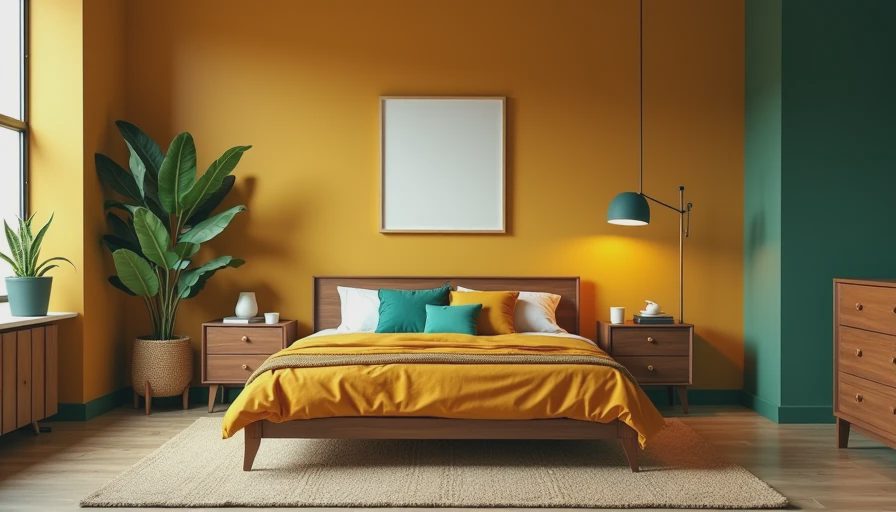
A useful set has visual consistency without forcing every piece to match perfectly. Look for the same wood tone, metal finish, or edge detail, then vary the height and shape. Matching nightstands can create balance, while a different dresser can make the room feel collected instead of staged. I like a simple oak or walnut-look case piece, a linen-textured headboard, and one warm metal accent from a lamp or drawer pull.
Price ranges help set expectations. Basic particleboard collections from retailers such as IKEA, Target, or Wayfair can land around $500 to $1,200 for several pieces. Solid wood or better-constructed bedroom furniture sets commonly reach $1,500 to $4,000, while custom work goes higher. You do not need the most expensive option, but inspect drawer glides, back panels, joinery, and whether the finish will tolerate a wet glass or a child's sticker collection.
Choose storage that matches your habits
A six-drawer dresser is not automatically better than a four-drawer model. Deep drawers can become clothing caves, especially for T-shirts and pajamas. I prefer drawers around 6 to 8 inches high for folded clothes, with one deeper drawer for sweaters or bedding. Full-extension glides are worth prioritizing because they let you see the back of the drawer instead of losing socks in a dark corner.
For small apartments, bedroom furniture sets with vertical storage can deliver more capacity without spreading across the floor. A 30- to 36-inch-wide chest beside the closet may work better than a long dresser. Under-bed drawers are excellent for seasonal linens, but check their clearance if the room has thick carpet. In an older San Francisco flat, I would also measure the stairwell, hallway turns, and elevator before ordering anything longer than 60 inches.
Make the set work for children and guests
Kids' rooms need a different kind of durability. Choose rounded corners, stable anti-tip hardware, and drawers a child can open without climbing. Sophie's room once had a narrow bookcase that became a Lego launch tower; the safer replacement was a low six-cubby unit secured to the wall. Bedroom furniture sets for children should leave a clear play zone, not fill every available inch with matching pieces.
For a guest room, resist buying a complete collection simply because it includes a mirror. Guests need a place to put a suitcase, charge a phone, hang a few garments, and set down a book. A queen bed, compact nightstand, 48-inch dresser, and wall hooks can feel more generous than a crowded suite. If the room doubles as an office, choose a dresser with drawers rather than a second bulky cabinet, and keep at least one outlet accessible from the bed.
A practical shopping plan
Measure first, then save the dimensions in your phone. When comparing bedroom furniture sets, check the assembled measurements rather than the shipping-box size. Confirm whether the bed requires a box spring, whether slats are included, and whether the nightstand has a cord cutout. Those small details affect both cost and everyday comfort.
Next, compare the finish in natural light. A “warm white” can look cream beside a cool gray wall, and a walnut finish can vary significantly between product photos. Order samples when available, or compare customer photographs with your flooring and existing trim. For a budget refresh, spend first on the bed and dresser, then add one nightstand and use a secondhand table on the other side. This keeps the layout balanced without requiring a single large purchase.
Finally, plan the delivery path and assembly. A 70-inch headboard may fit the bedroom but fail at the front door. Set aside roughly two to four hours for assembling several flat-pack pieces, and use wall anchors on tall chests. A careful setup is cheaper than repairing a dented wall or replacing a tipped cabinet.
The bedroom test I use with clients
Stand in the doorway at night and imagine the room with only a lamp on. Can you reach the light without crossing the bed? Can you open the dresser while the closet door is open? Is there somewhere for tomorrow's clothes, a glass of water, and the book you are actually reading? These questions matter more than whether every finish came from one collection.
Bedroom furniture sets are most useful when they provide a starting framework: coordinated scale, enough storage, and pieces that support your routines. Add personality with art, bedding, a vintage stool, or the lamp you found at a local shop. In my own bedroom, the least expensive element is a small ceramic tray, but it prevents the nightly phone-and-earring pile that used to make the room feel messy.
This weekend, measure your room and mark your ideal bed, dresser, and nightstand footprints with painter's tape. Walk the layout at morning and bedtime, then photograph it from the doorway. Your bedroom doesn't have to be perfect. It just has to be yours.