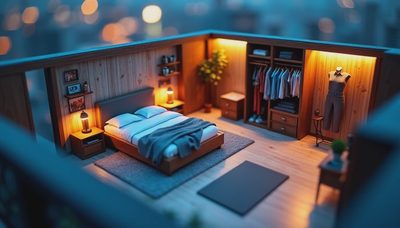
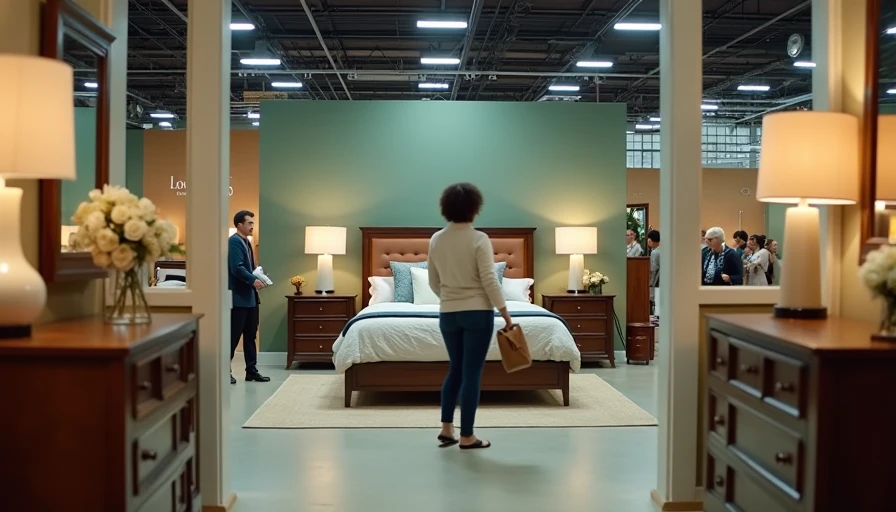
Last month, Sophie taped a drawing of a pink flamingo over our bedroom plan and announced that every room needs a surprise. She was right about the surprise, if not the flamingo. The best bedroom sets create order without making a room feel like a furniture showroom. They give you a bed, storage, and useful surfaces that work together, while leaving enough room for books, laundry baskets, and the slightly mysterious objects children carry upstairs.
I have designed more than 50 bedrooms, and I have learned that buying bedroom sets is less about matching every finish and more about solving the daily problems of the room. Here is how I would approach the decision in my own home.
Start with the room, not the catalog
Before browsing bedroom sets, measure the room. Write down the wall lengths, ceiling height, door swing, window placement, and the distance between the bed wall and any closet doors. A queen bed is roughly 60 by 80 inches, but the frame can add several inches on each side. A king is about 76 by 80 inches before you account for a headboard and walking space.
Aim for at least 24 inches of comfortable passage beside the bed when possible. In a small apartment, that may not be realistic, but squeezing a wide dresser into a narrow walkway will make the entire room frustrating. Use painter's tape on the floor to mark the bed, nightstands, and dresser. Leave the tape in place for a day. You will notice problems much faster when you have to walk around them with a laundry basket.
For bedroom sets in compact rooms, choose a slimmer nightstand or a bed with drawers instead of forcing a six-piece collection into the space. The room should support your routines, not display every available piece.
Decide which pieces earn their place
Many bedroom sets include a bed, two nightstands, and a dresser. Larger packages may add a chest, mirror, or upholstered bench. You do not need every piece. In our Victorian flat, I skipped the matching chest because the closet door would have hit it. That saved floor space and left room for a small reading chair, which we actually use.
A nightstand needs enough surface area for a lamp, phone, water glass, and perhaps a book. A 24-inch-wide table is usually more useful than a tiny decorative cube. Look for at least one drawer if you dislike visual clutter. For dressers, test the drawer movement and inspect the drawer bottoms. Solid or reinforced bottoms are worth paying for when a drawer will hold sweaters, pajamas, or a child's collection of rocks.
Bedroom sets should also be judged by what is missing. If your room has a generous closet, a dresser may be enough. If storage is limited, prioritize deep drawers, under-bed clearance, and a tall chest over a matching bench.
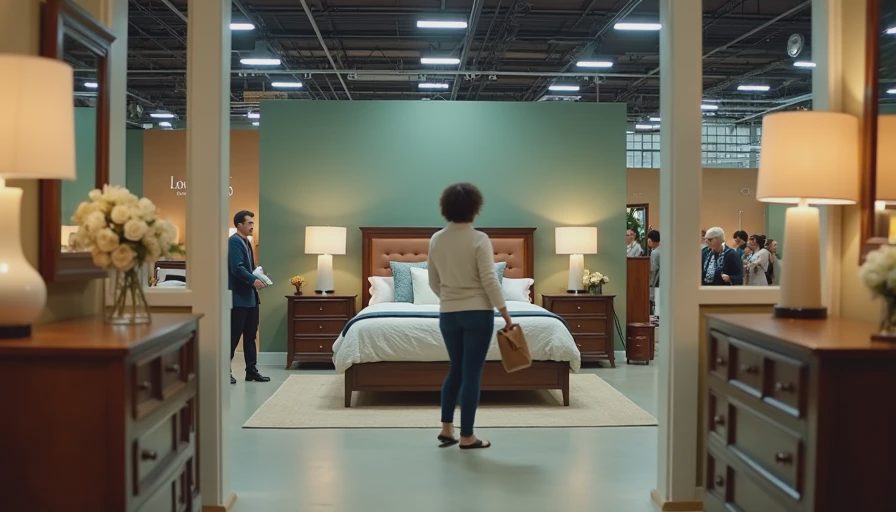
Choose materials that can survive daily life
Solid wood is durable and repairable, but it can push a full set above $2,000. Veneer over a sturdy wood or engineered-wood core can be a sensible middle ground, especially when the surface has a good finish and the frame feels stable. A basic set from IKEA, Wayfair, or a local furniture store might cost $600 to $1,200, while better-built options from brands such as Room & Board or Crate & Barrel can run considerably higher.
Do not judge quality by weight alone. Open every drawer, press gently on the headboard, and look underneath the case. Wobbly legs, rough edges, strong chemical odors, or drawers that stop halfway are warning signs. Ask whether replacement hardware is available. A missing knob five years from now should not make an otherwise useful dresser disposable.
For a child's room, a low-profile bed and rounded hardware are practical choices. Sophie has climbed, jumped, and built elaborate Lego cities around nearly every piece of furniture she owns. Bedroom sets for kids need washable surfaces and enough open floor for play, not just a charming photograph.
Make the style flexible instead of overly matched
Matching finishes can look calm, but a perfectly coordinated room often feels flat. I prefer bedroom sets with one clear anchor, usually the bed, and supporting pieces that share a material or undertone. A walnut bed can work with painted nightstands if both pieces have warm, not competing, tones. White bedroom sets can feel fresh in a dark room, while oak or natural maple adds warmth to a space with cool gray walls.
Think about what you will still like after a paint change. A simple shaker-style dresser can move from a nursery to a guest room. A dramatic mirrored nightstand is harder to reuse. Hardware is an easy update: replacing plain pulls with aged brass or matte black handles can change the mood for $30 to $100, depending on size and quantity.
I also avoid buying bedroom sets that include a giant mirror automatically. A mirror facing the bed is not a design rule, and many people prefer one on a closet door or near the entry instead.
Plan the lighting before the furniture arrives
A bedroom needs more than one ceiling fixture. Put a reading lamp on each side of the bed if two people use the room, and select bulbs around 2700K for a warm evening glow. A wall-mounted sconce can save six to eight inches of nightstand space, which matters in a narrow room. The IKEA RANARP and the Schoolhouse Luna sconce represent very different budgets, but both show why a focused reading light is more useful than relying on a single overhead fixture.
When comparing bedroom sets, consider how tall the headboard is relative to the windows and existing art. A tall upholstered headboard may cover outlets or block a window treatment. Measure before ordering, especially if the set includes a canopy or substantial crown detail.
Use dimmers where possible. The ability to lower light gradually is one of the least expensive changes that makes a bedroom feel calmer at bedtime.

Shop bedroom sets without losing your budget
Set a complete-room budget before you fall in love with one item. For a guest room, $800 to $1,500 can cover a basic bed, two nightstands, and a dresser if you shop sales and choose durable midrange materials. A primary bedroom with a king bed, larger storage, delivery, and quality lighting can easily reach $2,500 to $5,000. That range is not a requirement; it simply helps you compare the whole project rather than the advertised bed price.
Ask about delivery fees, assembly, return windows, and whether the furniture arrives in boxes or fully assembled. A $900 set with a $250 delivery charge is a different purchase from a $900 set delivered free. Check the dimensions of the largest carton too. In an older building, stairwells and elevator doors are part of the design plan.
You can also mix sources. Buy the bed and dresser together, then use a vintage nightstand, Target lamp, or under-bed bins from The Container Store. The result often feels more personal and costs less than a complete collection.
A simple weekend bedroom reset
This weekend, measure your room and mark the bed footprint with painter's tape. Photograph the wall where the dresser will go, then write down the width, depth, and maximum height you can use. Sort your needs into three categories: sleep, storage, and surface space. That list will tell you whether you need two nightstands, a taller dresser, or simply a better bed frame.
Next, compare three bedroom sets using the same checklist: dimensions, materials, drawer construction, delivery cost, warranty, and return policy. Ignore the staged accessories until the practical questions are answered. If one set only works when every door is closed and every basket is hidden, it is not solving the room's real problem.
Your bedroom does not have to be perfect. It just has to be yours. Choose pieces that make bedtime easier, getting dressed faster, and the nine o'clock walk into the room a little less annoying.