
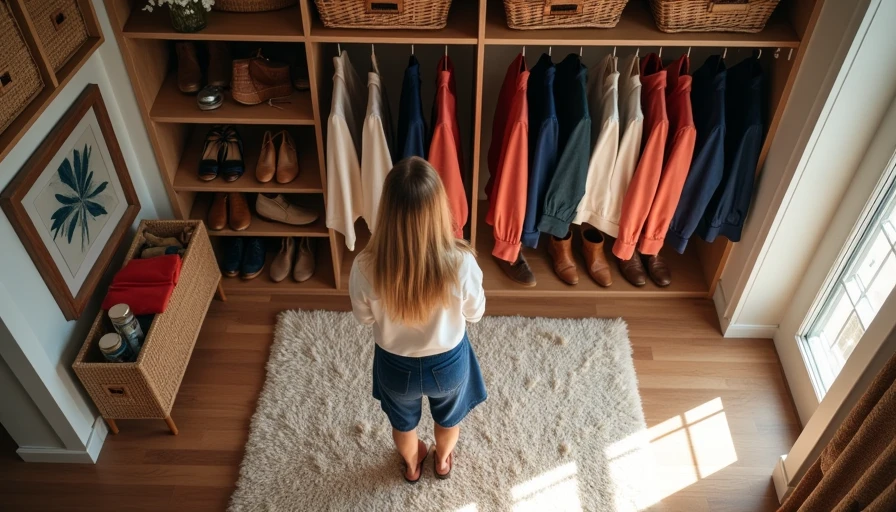
The door to our coat closet used to open only after a shoulder check. One damp San Francisco jacket would slide off its hanger, Sophie's dance bag would block the floor, and Tom's shoes somehow migrated into the hallway. If you need coat closet organization ideas, start with the truth I learned in my own house: a small closet needs clear zones more than it needs expensive hardware.
A coat closet is a landing place, not a storage unit for every object without a home. The goal is simple: each person should be able to grab what they need in the morning and put it away at night without a search party. A few thoughtful changes can make a narrow closet feel calmer, even when it serves two adults, a child, and a dog.
Start by Emptying the Closet Completely
Before buying bins or installing hooks, take everything out. Put coats, shoes, umbrellas, hats, sports equipment, and mystery objects on the floor where you can see them. I found three single gloves, a beach towel, and a screwdriver in ours. None belonged in a coat closet.
Make four groups: daily use, occasional use, seasonal, and relocate. Daily items deserve the easiest access. Occasional items can go higher or farther back. Seasonal items should move to a bedroom closet, attic bin, or under-bed container when the weather changes. Relocate anything that belongs in the laundry room, garage, entry console, or a child’s bedroom.
Try every coat on its hanger. If the sleeves are too short, the lining is torn, or nobody has worn it since the last presidential election, it is taking up valuable real estate. A family of four can quickly lose 8 to 12 inches of hanging space to coats that are never used. Donate wearable pieces through a local organization and recycle damaged textiles where that service is available.

Divide the Closet Into Useful Zones
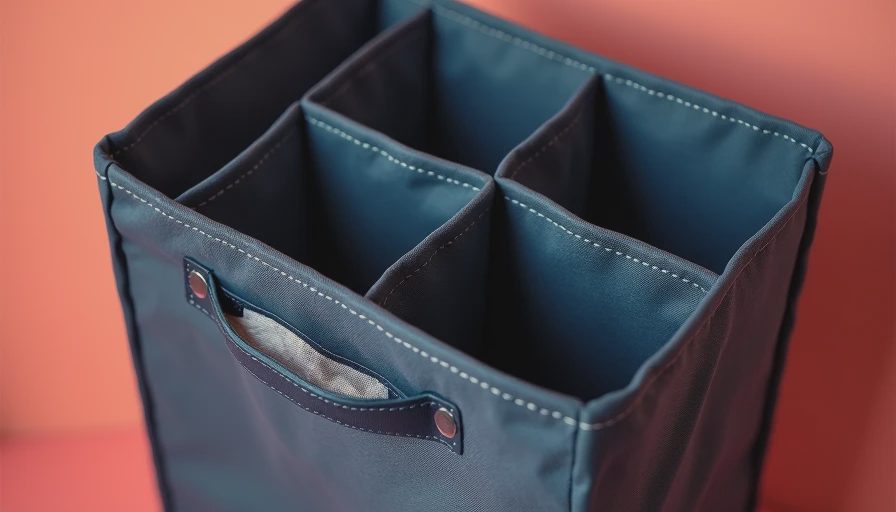
The most practical coat closet organization ideas assign a specific job to every height. Use the upper shelf for items you do not need daily, such as ski gloves, guest scarves, and small travel bags. Keep a lidded fabric cube or an inexpensive 11-inch storage bin up there so loose accessories do not become a sliding avalanche.
The middle section should hold coats. If the closet has one long rod, use matching slim velvet hangers to reclaim several inches without crowding shoulders. Place adult coats on one side and children’s coats on the other. That small separation helped Sophie dress independently because she could recognize her section immediately.
The floor needs a firm boundary. A low boot tray, roughly 30 inches wide, is enough for two or three pairs of everyday shoes. Choose a tray with a raised edge for rainy days, but do not turn it into a permanent shoe parking lot. Keep only the pairs worn most often and move the rest to a bedroom closet or entry cabinet.
The back of the door is often the most useful unused surface. An over-the-door organizer with pockets can hold sunscreen, dog-walking bags, knit hats, and compact umbrellas. Look for one with a slim profile so the door still closes. If you rent, adhesive hooks can work for lightweight items, but test them on the door finish first.
Choose Hooks for Real-Life Drop Zones
Hangers are ideal for structured coats, but hooks are better for the things people actually drop. Install four or five sturdy hooks at adult shoulder height, then add two lower hooks for children. A row of wood peg hooks can look more intentional than a collection of plastic hooks, and many cost less than $30.
Place the hooks where a person can reach them while holding a backpack or grocery bag. That sounds obvious, but I have designed closets where the hooks were hidden behind the open door. They looked neat in a photograph and failed every evening.
For a narrow rental closet, use removable hooks rated for the weight of the item. A heavy winter parka needs a screw-mounted hook or the existing closet rod, not a small adhesive peg. Keep bags light enough that they do not pull the hook loose. One hook per daily bag is a good starting point; doubling up creates the same tangle you were trying to solve.
My favorite coat closet organization ideas use one hook for a complete outing: a child’s backpack, dance bag, or dog-walking tote. It reduces the number of decisions during a rushed morning and gives each bag a visible home.
Make Shoes and Small Accessories Behave
Shoes are usually the reason a coat closet feels dirty, even when the coats are organized. A boot tray contains wet soles and gives everyone a visual limit. If the floor is deep enough, add a two-tier shoe rack, but measure first. Leave at least an inch around the door swing and avoid a rack that makes coats brush against footwear.
Small accessories need containment. Use one open basket for gloves and hats that are used every day, then add smaller labeled pouches for seasonal items. A zippered pouch prevents scarves from spilling when someone grabs one pair of mittens. For a family, labels such as adult, kid, rain, and winter are more useful than decorative labels nobody reads.
Umbrellas should stand in a narrow holder or a tall metal container placed near the front edge. Let wet umbrellas dry before closing them into a confined space. If you keep cleaning supplies in the coat closet, separate them completely from clothing and place them behind a latch, especially in a home with young children.
Add a Seasonal Reset to Your Routine
The closet will not stay organized through twelve months of weather without a reset. At the beginning of fall, bring lightweight jackets forward and inspect last year’s gloves for missing pairs. In spring, wash or air out winter coats according to their care labels before storing them in breathable garment bags.
Do not use sealed plastic bags for wool or down pieces for long-term storage because trapped moisture can create problems. A labeled bin on an upper shelf works for hats and scarves, while bulky coats may fit better under a bed. Keep one empty hanger for new arrivals so the rod does not become packed immediately.
A seasonal reset can take 20 minutes if everything already has a category. That is the payoff of good coat closet organization ideas: maintenance becomes a short habit instead of a full Saturday project.
Affordable Upgrades That Make a Difference
You do not need a custom closet system to improve this space. Slim hangers may cost $15 to $30 for a multipack, a boot tray often falls between $15 and $40, and a set of sturdy hooks can be under $25. IKEA, The Container Store, Target, and hardware stores all offer practical pieces at different price points. Measure the rod, shelf depth, door clearance, and floor width before you shop.
If the shelf is too high for daily use, add a lower tension rod only for lightweight children’s jackets. Avoid hanging heavy coats from a tension rod because the pressure system is not designed for unlimited weight. For a deeper renovation, a carpenter can add a second rod, but a simple shelf bin and door organizer often solve the problem for far less.
The best coat closet organization ideas also leave breathing room. Aim for a little open space on the rod, a visible floor area, and one empty hook. That margin makes the closet easier to use when guests arrive or a wet week adds extra layers.
This weekend, empty the closet, make the four piles, and return only what belongs there. Then add one tray, one basket, and enough hooks for the people who use the space. Your bedroom does not have to be perfect. It just has to be yours, and your entryway should make coming home feel a little easier.