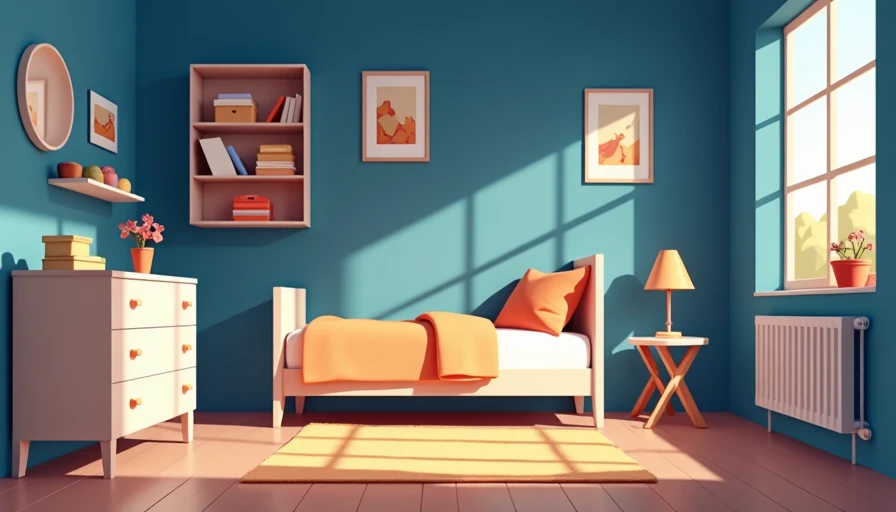
Here’s what I learned in my own house when Sophie decided her room needed a reading palace: kids bedroom furniture has to do three jobs at once. It should help a child sleep, make cleanup realistic, and survive the years when stuffed animals, markers, and sleepover guests all show up without warning. In clients’ homes, I see the same mistake over and over: buying pieces that look cute at age five but fall apart or feel cramped by age eight. The fix is not a fancier theme. It is choosing fewer, sturdier pieces with enough storage and a layout that leaves room to move.
Start with the bed and the floor plan
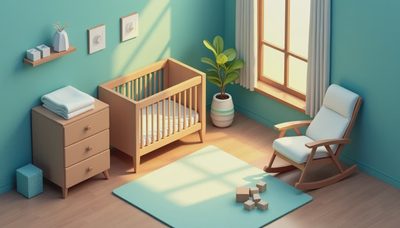
The best kids bedroom furniture starts with the bed because the bed sets the traffic pattern for the whole room. In a small room, a twin or twin XL usually wins, and a storage bed or trundle can be smarter than a bigger frame. If the room is long and narrow, push the bed to one wall and keep the opposite side open for play or homework. I like to leave about 24 to 30 inches of clear walking space wherever possible, especially near the door and closet. A bed from IKEA, a simple upholstered frame from Wayfair, or a more durable option from Pottery Barn Kids can all work if the scale is right. What matters most is giving the mattress enough support and not crowding the room with oversized pieces that eat the floor.
Storage that a child can actually use
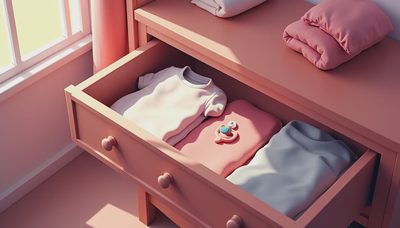
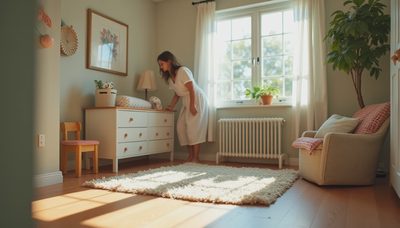
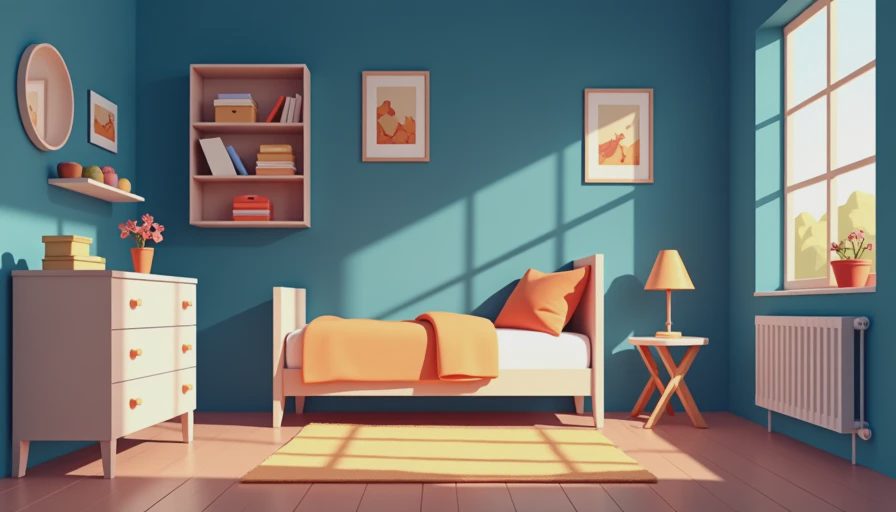
When I shop kids bedroom furniture, I look for storage a child can reach without a ladder or a parent standing nearby. That means low drawers, open bins, and a dresser with smooth full-extension slides instead of sticky ones. In Sophie’s room, the most useful piece is a plain three-drawer dresser because she can put away pajamas, socks, and art supplies without opening six tiny cubbies. Wall-mounted shelves are great for books, but I keep the top shelf for display and the lower shelf for the books they grab every night. A simple under-bed bin can hold off-season clothes or extra bedding, and a labeled fabric basket is better than a decorative basket that looks nice but does nothing. Anchor tall pieces to the wall, especially if the dresser is taller than the child’s shoulder. That one step is boring, cheap, and worth it.
Materials that survive crayons, spills, and growth spurts
If a room gets heavy use, finish and hardware matter as much as style. The smartest kids bedroom furniture usually has a wipeable surface, rounded corners, and drawers that do not wobble when pulled with one hand and a sock in the other. Solid wood lasts, but a good laminate or MDF piece can be perfectly fine if the drawer boxes are sturdy and the joints feel tight. I also pay attention to upholstery. A headboard in a performance fabric or a washable slipcover can save you from the kind of stain that makes you want to redecorate out of spite. For lamps and nightstands, I prefer simple shapes with a base that will not tip easily and a lamp that works with a 40- to 60-watt equivalent LED bulb for reading. If you buy a rug, choose one that feels soft enough for floor play but not so precious that one spilled smoothie ruins your week.
Budget where it counts and skip the false savings
The sweet spot for kids bedroom furniture is usually a mix of one or two better pieces and a few budget-friendly ones. I would rather see a family spend $250 on a real dresser and $120 on a lamp, then save money on wall art and a bookshelf, than buy five cute things that all need replacing in two years. If the budget is tight, start with the bed, mattress, and storage first. A simple platform bed might run $150 to $400, a solid dresser $200 to $500, and a decent desk chair or reading chair can add another $60 to $200. If the room needs to double as a homework zone, a narrow desk with a drawer is worth more than a giant toy chest that becomes a dumping ground. On bigger budgets, a closet system or built-in shelving can do more than another decorative purchase ever will.

The room plan I would use today
If I were setting up a seven-year-old’s room from scratch, I would keep it calm and practical. I would choose a twin bed with storage drawers, a three-drawer dresser, one narrow bookcase, one lamp with a soft shade, and a small desk only if homework actually happens in the room. I would skip matching sets unless every piece truly serves a purpose. Instead, I would mix a sturdier bed from a brand like IKEA or West Elm with a dresser from Target, Article, or a local used market if the drawers glide well. I would also make room for personality in ways that are easy to change: a bulletin strip for drawings, a washable throw, and one color the child loves, even if it is hot pink. Sophie once picked a wildly bright curtain, and I resisted the urge to correct it because the room felt like hers the second it went up. That is the point. Kids bedroom furniture should make the room easier to live in today and easier to adapt next year.
This weekend, measure the wall your child uses most, check what is already being shoved on the floor, and choose one piece to improve first. If you buy only one piece of kids bedroom furniture this month, make it the one that solves the biggest daily mess.