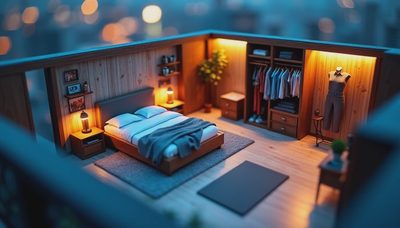

The first time Sophie saw our new king size bed, she climbed across it, announced that it was “basically a dance floor,” and left three Lego pieces under the pillows. She was not wrong. A generously sized mattress can make a primary bedroom feel calm and comfortable, but only when the room has enough breathing space around it. Otherwise, you have exchanged a cramped mattress for a very large obstacle.
After designing more than 50 bedrooms, I start with the room rather than the bedding. Measure the walls, doors, windows, radiators, and closet swings before shopping. A bed should support better sleep and easier mornings, not force you to turn sideways every time you walk to the dresser.
How much space does a king size bed need?
A standard king mattress is 76 inches wide by 80 inches long. The mattress itself is not the whole footprint. Add the bed frame, headboard, bedding overhang, and walking space, and the required area grows quickly. In a practical layout, I like to leave at least 30 inches of clearance on each open side and at the foot. Thirty-six inches feels noticeably better, especially when two people get dressed at the same time.
A room around 12 feet by 12 feet can often accommodate a king size bed, but the exact result depends on the frame and doors. In a 10-by-12-foot room, the bed may fit physically while leaving little room for nightstands or drawers. A platform frame with recessed legs can save a few inches compared with an upholstered model with wide side rails. That small difference matters in an older apartment or a Victorian bedroom with awkward trim.
Tape the mattress dimensions on the floor with painter’s tape before buying. Then open every door and drawer. This is what I did in our own room after a client spent several thousand dollars on beautiful furniture that blocked the closet. The tape revealed that our preferred layout left only 23 inches at the foot, so we moved the dresser to another wall before ordering anything.

Choose the right frame, not just the mattress
The frame changes both the visual weight and usable storage around a king size bed. A low-profile wood platform from brands such as Thuma or Floyd creates a lighter, more contemporary look and usually needs only a mattress. An upholstered headboard from a retailer such as West Elm or Crate & Barrel brings softness, but measure its height and depth carefully. A headboard that projects six or seven inches can make a narrow room feel much tighter.
Storage frames are useful in bedrooms without generous closets. Drawers under the side rails work well for folded sweaters, extra sheets, or off-season clothing, although they need clearance to open. Lift-up storage provides more capacity but is less convenient for items you use weekly. I prefer shallow bins under a platform for spare blankets and reserve the closet for daily clothing.
Avoid choosing an oversized frame simply because the mattress is large. Some king frames measure more than 84 inches wide and 90 inches long. That can eliminate the comfortable circulation that made the larger bed appealing in the first place. Look for the outside dimensions in the product specifications, not just the advertised mattress size.
Make the layout work for real mornings
Centering the headboard on the main wall is usually the strongest starting point, but it is not a rule. If one wall has the only useful electrical outlets, use it and create balance with matching lamps. If windows sit behind the bed, keep the headboard low enough to avoid blocking light and make sure curtains can open fully.
For nightstands, 24 to 30 inches wide is a useful range. A 20-inch table can work when floor space is tight, especially if it has a drawer and a lower shelf. The top should sit close to mattress height so a glass of water or reading lamp is easy to reach. Our own nightstands are simple oak tables from IKEA, each paired with a small ceramic lamp. They cost far less than custom pieces and still hold books, chargers, and the inevitable child’s drawing.
Keep at least one clear route from the bedroom entrance to the bathroom or closet. Do not let a bench, hamper, or decorative basket become a permanent trip hazard. Design the path you use at 6:30 AM, not the photograph you imagine at noon.
Bedding, lighting, and the details people skip
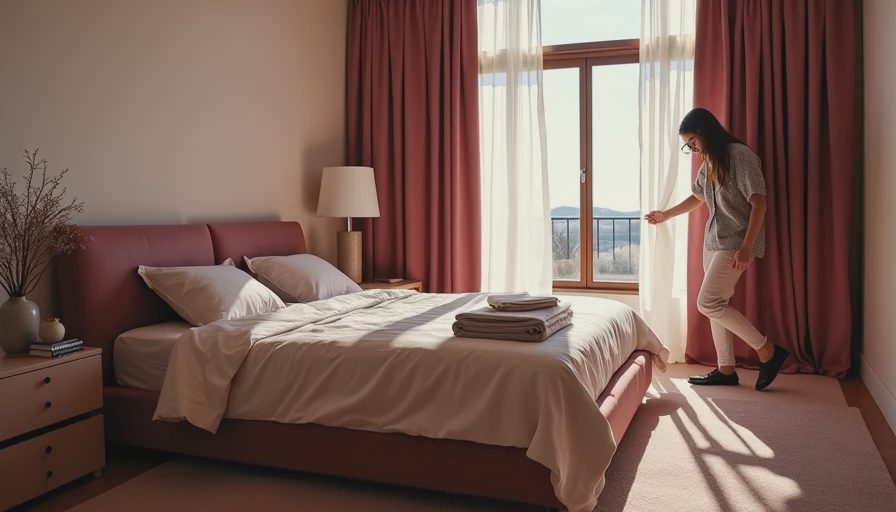
A king size bed needs bedding that fits its actual depth. Measure the mattress, topper, and any mattress pad together. Deep-pocket sheets are helpful, but extra fabric can bunch if the mattress is thinner than the sheet’s range. I like cotton percale for warm sleepers and brushed cotton or linen-cotton blends when the room feels chilly. A queen-size duvet will not provide enough side coverage; buy king bedding even if your frame has a minimalist profile.
Layer lighting instead of relying on one overhead fixture. Each side needs a reading light, preferably with a switch that can be reached from bed. Wall-mounted sconces save nightstand space, while plug-in swing-arm lamps are a renter-friendly option. Add a dimmable ceiling fixture for making the bed and a warm floor lamp near a chair or dresser. Bulbs around 2700K create a softer evening atmosphere than cool daylight bulbs.
The wall behind the headboard deserves restraint. A painted accent wall, textured grasscloth, or a pair of large framed prints can define the sleeping zone without filling every inch. Leave enough visual quiet for the room to feel restful. A king size bed already has presence; it does not need a gallery wall of twenty tiny frames competing with it.
Budget without making the room feel cheap
A complete setup can range from about $1,200 for a basic platform, mattress, simple bedding, and lamps to $5,000 or more for a premium mattress, custom headboard, rug, and case goods. Spend first on the mattress and foundation, then on sheets you enjoy touching every night. Decorative pillows can wait.
For a king size bed under $2,000, look at direct-to-consumer mattresses, solid wood platforms, and vintage or secondhand nightstands. Brands including Casper, Tuft & Needle, and IKEA offer different price points and construction styles; compare trial periods, warranty terms, return fees, and foundation requirements rather than shopping by advertising alone. A $900 mattress on a $300 frame can be a sensible combination when the frame is sturdy and correctly supported.
A large rug makes the room feel finished, but it does not have to sit entirely beneath the mattress. An 8-by-10-foot rug can work in a smaller room if it begins several inches in front of the nightstands. In a larger bedroom, a 9-by-12-foot rug usually gives more generous coverage along the sides and foot.
A weekend plan for your bedroom
Start by measuring the room and writing down every obstruction. Tape the mattress footprint on the floor, then test the closet, dresser, and bedroom doors. Walk the route with a laundry basket in your arms; that reveals problems a floor plan can hide. Photograph the taped layout from the doorway so you can judge the balance later.
Next, decide what the room needs most: more sleeping comfort, better storage, or a calmer appearance. If the answer is storage, choose a frame with drawers before buying decorative accessories. If the answer is light, plan lamps and window treatments before selecting a headboard. If the answer is simply that the room feels crowded, remove one piece before adding another.
My final check is wonderfully unglamorous: lie down, reach for the lamp, get up, and walk to the closet. If those movements feel easy, the design is working. Your bedroom does not have to be perfect. It just has to be yours. This weekend, grab painter’s tape and test your king size bed layout before spending a dollar.