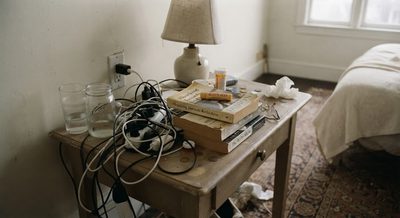
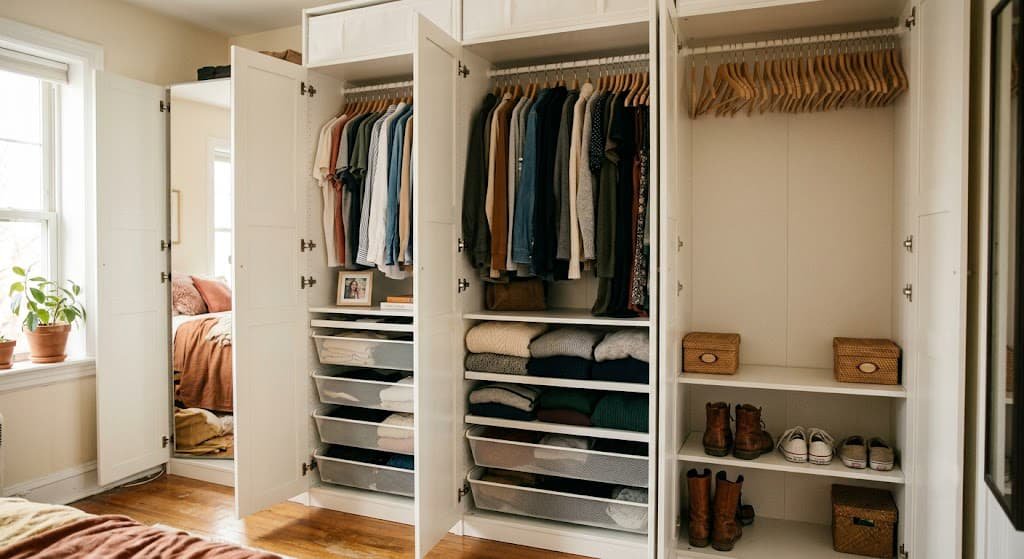
I used to specify $5,000 custom closet systems for clients. Floor-to-ceiling wood shelving, soft-close drawers, dividers for every category of clothing you can imagine. They looked beautiful in progress photos. Then I had Sophie, our bedroom closet became a black hole of mismatched hangers and old baby blankets, and I found myself pricing out a custom solution for my own home. I nearly placed the order — until I realized I was about to spend more on a closet than I did on our first family car.
That moment of clarity sent me to IKEA, a store I'd side-eyed professionally for years. What I discovered has outlasted several of those client installs. Here's the system, why it beats most custom closet systems, and exactly how to make it work in your own home.
Why I Walked Away from Custom Closets
Custom closets are seductive. A designer comes to your house with a tablet, walks you through renderings, promises to maximize every inch. The problem is, life changes — and custom systems don't. A walk-in closet organization layout designed for two adults crumbles the moment you add a baby, a new hobby, or a partner who works from home and needs somewhere to stash off-season gear.
I've watched clients rip out $4,000 installs after three years because they'd changed how they dressed, or their kids needed a different mix of hanging and drawer space. Custom is a commitment you might not want to make.
Flexible closet organizers solve that problem. The frame stays; the interior pieces rearrange whenever your needs shift. And you don't need to refinance your house to get there.
The IKEA System I Recommend Over Almost Everything Else
After testing several configurations in my own closet and helping friends with theirs, I keep coming back to the same setup: the IKEA Pax wardrobe frame combined with the Komplement interior fittings. It's the same system I installed in Sophie's room when she outgrew her nursery dresser, and it's still going strong four years later.
Here's why it works:
The frames come in multiple widths and heights, so you can build exactly what your closet cavity needs — no weird gaps, no wasted space.
The interior components are endlessly reconfigurable. Pull-out trays, wire baskets, shoe shelves, drawers in two depths. You can change the setup on a Saturday morning without calling a contractor.
It costs roughly one-tenth of a mid-range custom build. For a typical reach-in closet, you're looking at $300–$600 instead of $3,000–$6,000.
How I Designed My Own Closet Layout
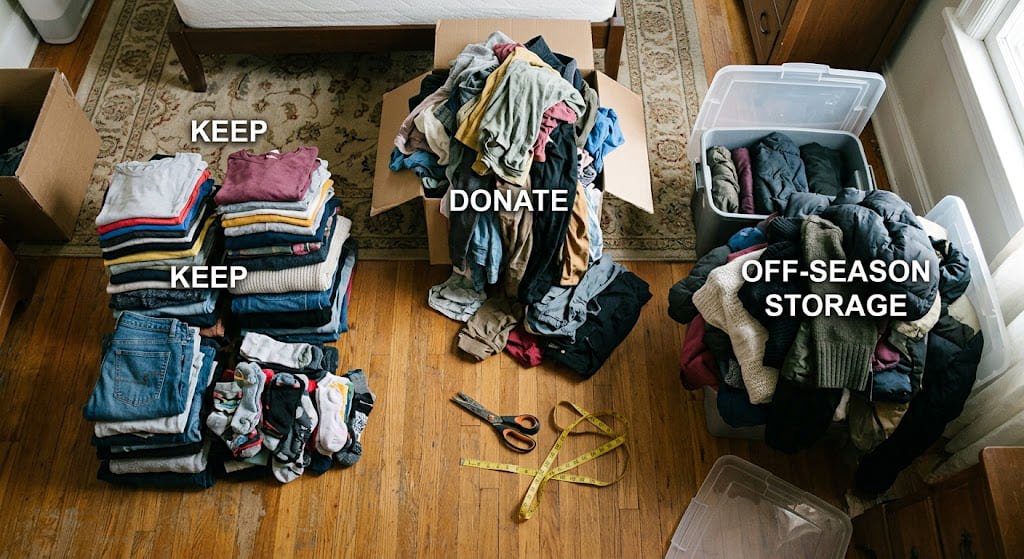
I started by emptying everything onto the bedroom floor. Painful, but necessary. Then I sorted ruthlessly: clothes I actually wear, clothes that belong in storage, and a "why do I still own this" pile for donation. You can't design a closet around things you don't use; the wardrobe organization step has to come before you order a single shelf.
Once I had my real inventory, I planned the layout. My closet is 100 inches wide, so we used two 39-inch Pax frames with a 19-inch narrow unit in the middle. The left unit has two hanging rods — one high for dresses, one lower for shirts. The right unit is all drawers and pull-out trays for folded sweaters and workout gear. The narrow middle section holds shelves for shoes and a catch-all basket for scarves and gloves.
The secret I learned from my years in design: mix depths. A standard closet rod needs about 24 inches of depth, but shoe shelves only need 15. If you combine a deeper frame for hanging and a shallower one for folded items, you can walk into the closet without turning sideways. That one move makes a small closet organization project feel expansive.
The Hardware Upgrades That Make It Feel Expensive
Here's where you spend an extra $40 and transform the whole thing. Swap the standard knobs for something with weight — brass, matte black, even simple leather pulls. Add a strip of LED lighting along the underside of each top shelf, the kind that's battery-operated if you don't have an outlet nearby. Paint the visible side panels in a color that matches your trim, or add a peel-and-stick wallpaper to the back wall for a pop of pattern that no one but you will see every morning.
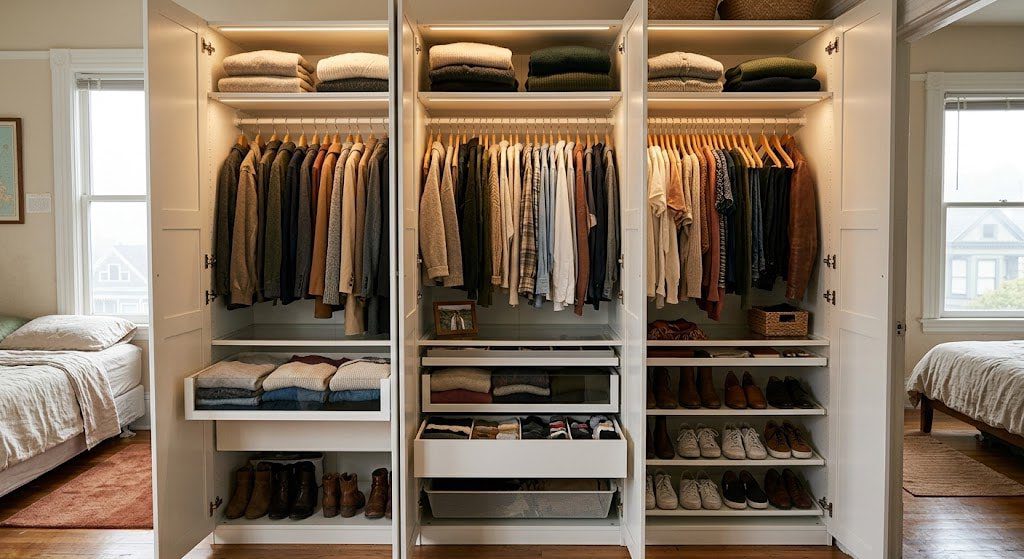
These tiny touches don't affect function, but they make the closet feel intentional — the kind of space you open and feel a little calmer, not the kind you shove closed before guests see it.
What This System Does That Custom Can't
The real advantage isn't the price. It's the adaptability. When Sophie switched from dresses to leggings literally overnight, I reconfigured one hanging section into extra drawers in about 20 minutes. When Tom needed a dedicated shelf for his ever-growing collection of tech cables, we added a wire basket without drilling into walls. A custom system can't keep up with a family. This one can.
If you've been holding off on a closet refresh because the cost feels absurd, this is your weekend. Measure your space, take an honest look at your clothes, and give yourself permission to build something that works for your actual life — not the aspirational version where every hanger matches. Your bedroom storage should serve you, not the other way around.