
The first sign that my bedroom needed help was not the overflowing dresser. It was finding three library books, one ballet slipper, and a screwdriver on my nightstand. The right decluttering tools can make a bedroom reset faster, but tools alone will not fix a room without a workable storage plan. Here is what I use in my own home, what I recommend to clients, and what is usually not worth buying.
Start with a bedroom edit, not a shopping trip
Before ordering matching baskets, take everything out of the area that bothers you most. For me, that was the six-drawer dresser in our San Francisco bedroom. I made four piles: keep, relocate, donate, and decide later. The last pile had a strict limit: one small tote and one week to make a decision.
This process matters because storage can hide a problem without solving it. If you own 18 black T-shirts but reach for the same four, another drawer organizer will not make the other 14 useful. A simple cardboard box is one of my favorite decluttering tools because it lets you test a category before spending money. Put rarely used scarves, old chargers, or spare linens into a box, write the date on top, and see whether you look for anything inside over the next month.
I also set a timer for 25 minutes. That is long enough to make visible progress and short enough that Sophie does not feel abandoned while I am sorting her Lego-covered floor. Stop before the room becomes a second project. A bedroom should feel calmer at the end of an organizing session, not like a retail stockroom.

The decluttering tools I use most often
My first recommendation is a set of sturdy, open-top bins. I like the 13-inch fabric cubes from Target or IKEA KALLAX inserts for sweaters, pajamas, and soft toys. They usually cost about $8 to $20 each, and their open tops make it easy to put things away without a lid fight. In a child’s room, that small detail determines whether the system survives Tuesday morning.
For a closet, slim velvet hangers are among the most useful decluttering tools. They take less space than thick plastic hangers and keep slippery shirts from landing on the floor. I would not replace every hanger in one afternoon, though. Buy 20 first, arrange the closet by category, and see whether the extra room solves your problem. A 50-pack often costs $25 to $40, which is far less painful than buying a new wardrobe cabinet that you do not need.
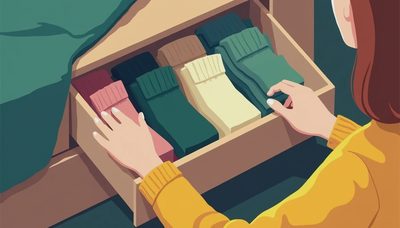
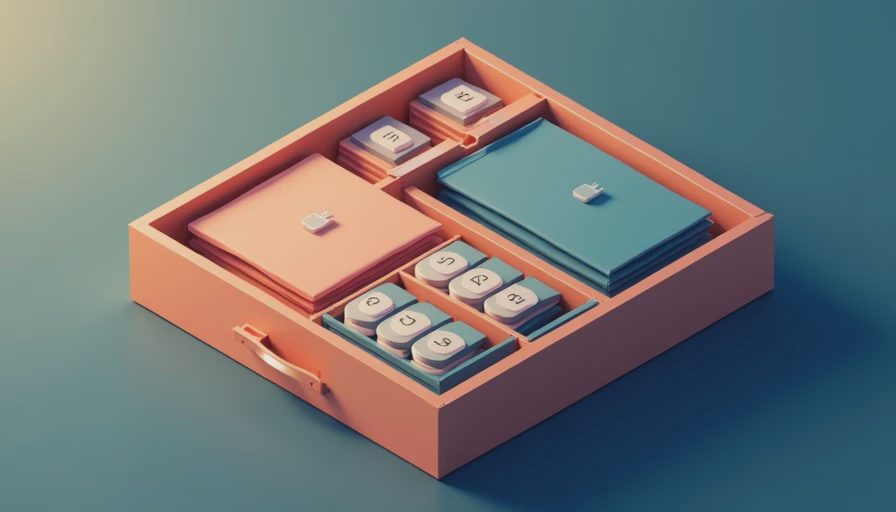
Clear drawer dividers work well for socks, underwear, belts, and small accessories. I prefer adjustable bamboo dividers for adult drawers because they look finished, while inexpensive plastic trays are perfectly practical for a child’s dresser. Measure the drawer before buying. A divider that is one inch too long turns a tidy plan into a daily irritation.
For under-bed storage, choose low containers with wheels or reinforced fabric handles. Measure from the floor to the bed frame, not just beneath the mattress. Under-bed decluttering tools are useful for out-of-season clothing and guest bedding, but they should not become a graveyard for things you are afraid to decide about.
Make storage match the way your family actually lives
The best bedroom systems are easy to use when everyone is tired. If laundry is usually folded on the bed, place the everyday clothing drawers within reach of that surface. If your partner reads late, give books a defined basket or shelf rather than expecting them to return each book to a distant bookcase. Design follows behavior; it does not replace it.
In our room, I put a small woven basket beside Tom’s side of the bed for headphones, charging cables, and the watch he removes at night. It is not magazine-perfect, but it stops those items from spreading across the nightstand. A $15 basket has done more for our evening routine than several expensive organizers.
Use labels when more than one person puts things away. Labels are not only for toddlers. “Extra pillowcases,” “school clothes,” and “winter accessories” remove guesswork, especially in a shared closet. A basic label maker often costs $20 to $35, and removable labels are helpful when a child’s needs change. These are practical decluttering tools because they make the next tidy-up easier, not because they look impressive in a photograph.
What to skip when the bedroom feels crowded
Avoid buying a large dresser before measuring every wall, doorway, baseboard, and outlet. I once designed a beautiful primary bedroom where the client chose a deep six-drawer chest. It fit on paper, but the drawers blocked the closet door when opened. The room looked larger in the plan than it felt at 7 AM.
Do not buy dozens of tiny containers for a category you have not edited. Small boxes can multiply visual noise, particularly on open shelves. A single lidded bin for keepsakes is often better than ten little boxes for objects that have no clear home.
I am also cautious about vacuum storage bags for everyday clothing. They save space for bulky blankets, but compressed bags can be awkward to stack and easy to forget. Use them for seasonal duvets or guest quilts, then label each bag clearly. For daily clothes, a shallow drawer or shelf is usually kinder to your routine.
The most expensive mistake is using storage to avoid removing things. If a broken lamp has lived in the closet for two years, no basket will turn it into a useful possession. Good decluttering tools support decisions; they should not postpone them indefinitely.
A realistic weekend bedroom reset
On Saturday morning, choose one zone: the nightstand, one dresser, or half of the closet. Photograph it before you start if you want a motivating before-and-after record. Empty the zone, wipe the surfaces, and group similar items. Keep only what belongs there, then choose the simplest container that fits the remaining volume.
Next, create a small donation bag and take it to the car immediately. That step prevents the bag from becoming a permanent hallway resident. Put misplaced items in a relocation basket and return them to their rooms before dinner. Finally, leave 15 percent of the drawer or shelf empty. That breathing room is what allows the system to keep working after laundry day.
For a child’s bedroom, invite the child to make one decision category, such as stuffed animals or artwork. Sophie chose which drawings deserved wall space and which could be photographed before recycling. Giving children a manageable choice builds ownership without asking them to understand the whole organizing project.
How to choose decluttering tools that last
Look for tools that are washable, stackable, and sized to the furniture you already own. Neutral fabric bins are forgiving in a bedroom, while clear containers are better for items stored high in a closet. Avoid buying a complete collection just because the product photos show a perfect room. Start with one drawer or shelf and test the routine for a week.
A useful budget is $25 for hangers, $20 for drawer dividers, $20 for labels, and $30 to $60 for two durable bins. That is enough to improve a bedroom without turning organization into a renovation. If the problem is a truly undersized closet, spend first on an extra shelf or a second hanging rod rather than decorative containers.
This weekend, set a 25-minute timer and use a cardboard box as your first decluttering tool. Clear one bedroom surface, remove five items that do not belong, and leave a little empty space behind. Your bedroom does not have to be perfect. It just has to be yours.