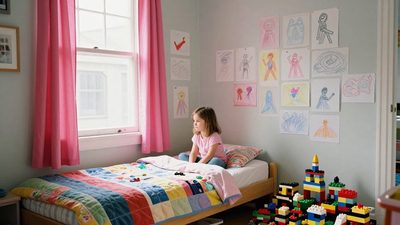

Last month, Sophie announced that her room was no longer a kid's room. This was news to me, especially since one wall still displayed a Lego castle and she had recently requested a reading lamp shaped like a mushroom. But her point was fair: children change quickly, and furniture bought for a three-year-old can feel strangely babyish by second grade. Finding the right kids furniture store is less about choosing the cutest dresser and more about building a room that can handle homework, sleepovers, growing legs, and changing opinions.
As a former interior designer and a parent, I look for three things first: safe construction, useful proportions, and enough visual restraint that the room can evolve. A bed shaped like a race car can be delightful for a year. A well-made twin bed with a colorful quilt can work for much longer.
Start with the furniture your child needs now
Before browsing any kids furniture store, measure the room and write down the actual problem you are solving. Is clothing piling up because the dresser is too small? Is there nowhere to read? Does the bed block the closet door? Shopping without this list is how families end up with a charming bookshelf and no place to put folded clothes.
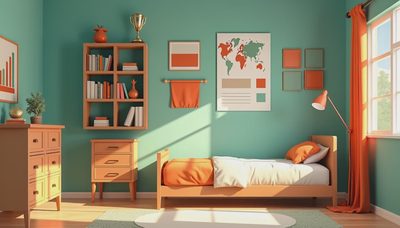
For most rooms, the basic set includes a bed, mattress, dresser, lighting, and one flexible surface such as a small desk or nightstand. A twin bed is usually the most space-efficient choice for a child's room, while a full bed can make sense for a teenager or a room that will eventually serve guests. Leave at least 30 inches of comfortable walking space where possible, and check that drawers can open without hitting the bed.
In our Victorian flat, Sophie has a twin bed, a narrow six-drawer dresser, and a wall-mounted shelf rather than a bulky bookcase. The shelf keeps favorite books visible while preserving floor space for dance practice. A local kids furniture store can be useful when you need to see drawer depth and bed height in person, but online measurements are perfectly workable if you tape the footprint on the floor first.

Look beyond the finish and photograph
A polished product photo tells you very little about how furniture will behave after two years of daily use. Open the drawers if you are shopping in person. Look for smooth glides, solid-feeling drawer fronts, rounded corners, and hardware that can be tightened. For online purchases, read the assembly instructions and weight limits before adding an item to your cart.
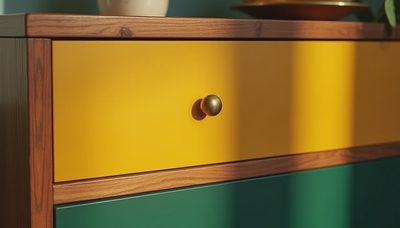
Materials matter, but you do not need to buy the most expensive option. Solid wood often costs more and can be repaired or refinished, while engineered wood can be a practical choice when the edges are well sealed and the frame is stable. At a kids furniture store, compare the back panel, not just the front. A thin or poorly attached back can make a bookcase rack when a child climbs or pulls on it.
For beds and dressers, tip-resistant hardware is essential. Anchor tall furniture to the wall according to the manufacturer's instructions, even if your child seems too young to climb. Keep cords from lamps and window coverings out of reach, and avoid placing a bed directly under a heavy framed mirror. These are small installation decisions that matter more than whether the finish is oak, white, or sage green.
Choose pieces that can change jobs
The best children's rooms are not frozen at one age. A changing table can become a regular dresser, a low toy cabinet can store shoes, and a compact desk can move from coloring station to homework area. I am especially fond of furniture with quiet styling: simple Shaker-inspired beds, plain dressers, and open shelves that can hold books now and trophies later.
IKEA remains useful for budget-conscious storage, especially when a family needs modular pieces and is willing to secure them carefully. Delta Children offers many accessible nursery and children's furniture options, while Pottery Barn Kids provides coordinated collections at a higher price point. A kids furniture store that carries multiple styles can help you compare proportions, but do not feel obligated to buy an entire matching collection. One consistent wood tone and one repeated color are usually enough to make mixed pieces look intentional.
A dresser around 30 to 36 inches high is often easier for younger children to reach, though every room and child is different. For a desk, prioritize knee clearance and a comfortable chair over decorative details. Sophie's small desk has a drawer for pencils and a broad surface for Lego instructions; that simple arrangement has prevented a surprising amount of floor clutter.
Spend money where it improves daily life
If your budget is $1,000, I would put the largest share into the mattress and bed frame, then buy a dependable dresser. Bedding, baskets, and art can be changed inexpensively. A typical accessible setup might include a $250 to $500 twin bed, a $150 to $350 dresser, a $50 to $150 lamp, and $100 to $300 for a mattress, depending on construction and sales. Prices change, but the principle holds: buy durable structure before decorative accessories.
At a kids furniture store, ask about delivery, assembly, returns, replacement parts, and the length of the warranty. A low price can become less attractive if delivery adds $200 or if a damaged drawer requires weeks of back-and-forth. For a family in an apartment, confirm whether the box will fit through the elevator and bedroom doorway. I have measured stairwells for clients, and it is a much better use of five minutes than discovering a bed frame cannot make the final turn.
Secondhand furniture can also be worthwhile, particularly solid wood dressers and nightstands. Inspect for water damage, loose joints, peeling finish, and missing hardware. Refinish only when you can properly prepare and seal the surface; a quick coat of paint will not fix a wobbly frame.

Make storage easy enough to survive a Tuesday
Children do not organize like adults, and a storage system that requires folding every shirt perfectly will fail by Wednesday. Use broad drawers for everyday clothing, open bins for toys, and a hamper close to where clothes come off. Labeling can help younger children, but pictures are often more useful than words. One bin for building toys and one for stuffed animals is more realistic than twelve tiny categories.
When comparing a kids furniture store's storage options, measure the inside of the drawer, not only the outside dimensions. A deep drawer may hold more but become a black hole. Shallow drawers make pajamas and school shirts easier to find. Leave some empty capacity for growth; storage that is full on moving day has already failed.
In small bedrooms, use vertical space with a tall bookcase anchored to the wall, hooks placed at child height, and under-bed drawers for seasonal clothing. Avoid turning every open surface into storage. Children still need a calm visual field for sleep, particularly if the room also serves as a playroom.
A practical weekend shopping plan
This weekend, photograph each wall and measure the bed, closet, window, and doorway. Draw the room on graph paper or use painter's tape on the floor. Then visit one kids furniture store online or in person with a short list: bed width, dresser height, storage needs, delivery cost, and assembly details.
Compare three beds and three dressers rather than scrolling through fifty options. Save the measurements, not just the product photos. If two pieces have similar construction, choose the one with the quieter finish and better return policy. Add color through a quilt, washable rug, curtains, or framed artwork so the room can change without another major furniture purchase.
The goal is not a picture-perfect room. It is a bedroom where a child can sleep, get dressed, find a book, and put away a reasonable number of toys without needing a parent to supervise every step. Your bedroom doesn't have to be perfect. It just has to be yours.