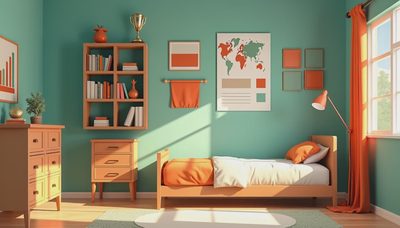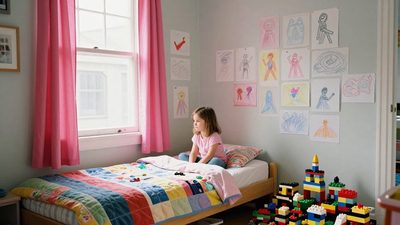
The first time Sophie asked for a “teen room,” she was seven. She wanted hot pink curtains, a desk for drawing, and somewhere to display every Lego creation she had ever made. That request taught me something I have seen in dozens of family homes: teen bedroom furniture is not really about decorating for one age. It is about creating a room that can absorb changing hobbies, larger clothes, homework, sleepovers, and strong opinions without needing a complete overhaul every two years.
As a former interior designer and a parent, I look for three things first: useful storage, furniture that fits the room, and pieces that do not look childish six months later. The goal is not a showroom. It is a bedroom that helps a young person get dressed, study, relax, and eventually learn how to manage their own space.
Start With the Room, Not the Shopping List
Before browsing teen bedroom furniture, measure the room and draw a simple floor plan. Record the wall lengths, window locations, door swing, radiator or vent positions, and outlet placement. A twin bed needs roughly 38 by 75 inches, while a full bed is about 54 by 75 inches. Add walking space around it rather than pushing every piece against the walls.
In a small apartment bedroom, a full-size bed can consume nearly all the usable floor area. A twin daybed with drawers underneath might provide a better balance, especially if the room also needs a desk. In a larger room, a full bed, narrow nightstand, six-drawer dresser, and 42-inch desk can work comfortably when you preserve a clear route from the door to the closet.
Here is what I did in my own room before buying a new dresser: I taped the proposed footprint on the floor with painter’s tape. That ten-minute test revealed that the first dresser blocked a drawer in the closet. A tape outline costs nothing and prevents a $400 mistake.
Choose Pieces That Can Change Roles
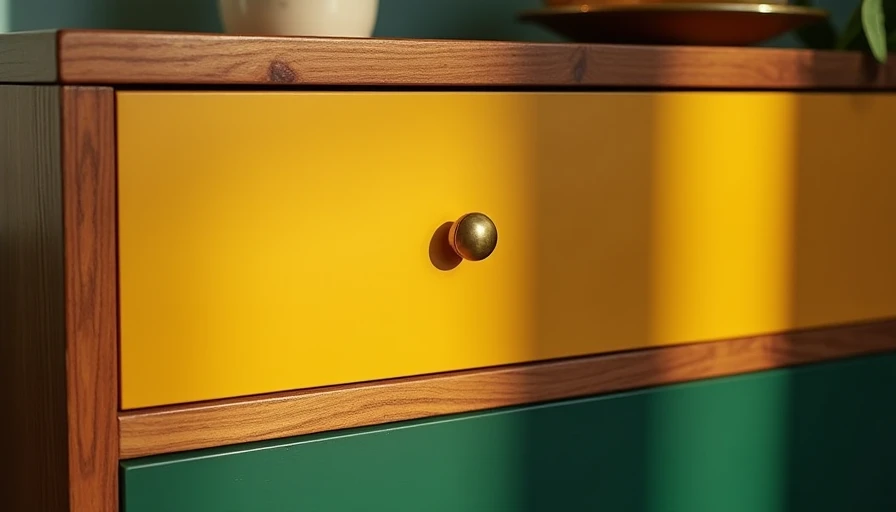
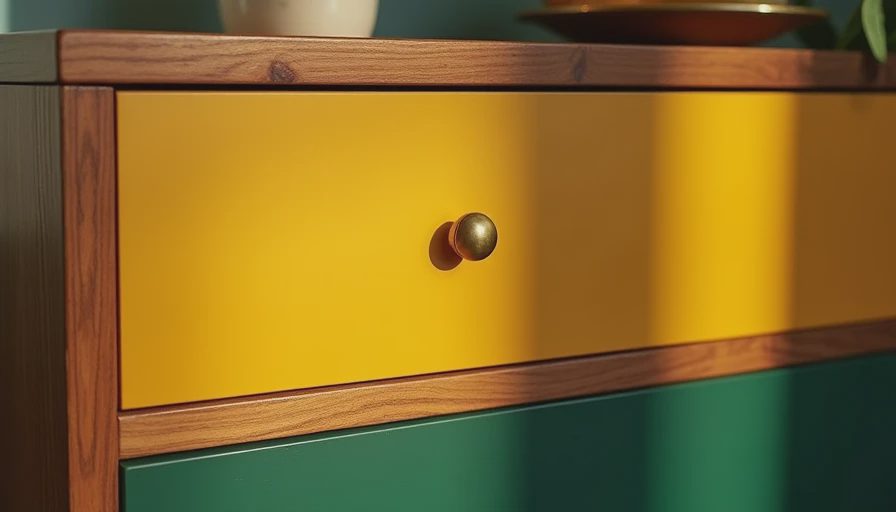
The best teen bedroom furniture is flexible rather than themed. A white, oak, walnut, or soft gray finish can work through middle school and high school. Avoid building the entire room around a race-car bed, cartoon hardware, or a highly specific color unless the piece is inexpensive and easy to replace.
A sturdy bed frame is the anchor. Platform beds from retailers such as IKEA, Target, and Wayfair often range from about $150 to $500, while solid-wood options from brands such as Article or West Elm can cost more. You do not need the most expensive frame, but look for a stable center support, a compatible mattress height, and enough clearance for cleaning or storage.
A nightstand can be a small three-drawer chest, a floating shelf, or even a compact filing cabinet painted to match. It should hold a lamp, water bottle, book, and charging cable. If floor space is tight, a 16- to 20-inch-wide nightstand is usually more useful than a decorative table that offers no closed storage.
For a desk, prioritize depth and cable management. A 42- to 48-inch-wide surface accommodates a laptop, notebook, and task lamp without becoming a permanent pile of papers. The Container Store’s desktop organizers, IKEA cable trays, and simple adhesive clips can make an inexpensive desk feel much more considered.
Storage Is the Difference Between Calm and Chaos
Most bedrooms do not need more bins first. They need storage located where the mess actually happens. Teen bedroom furniture should make the easy action the tidy action: a hamper beside the closet, drawers near the bed, and a shelf within reach for daily items.
A six-drawer dresser is often more useful than a tall, narrow chest because the top drawers are easier to access and the surface can hold a mirror, lamp, or small display. For a room shared by siblings, two three-drawer dressers can be easier to divide than one large unit. Labeling drawers by category, such as socks, workout clothes, pajamas, and school clothes, is more practical than trying to fold every item perfectly.
Under-bed drawers can hold extra bedding, seasonal clothing, or sports equipment. Soft zippered containers from brands such as IKEA or The Container Store are useful when the bed has limited clearance. Avoid filling every inch, though. A little empty space makes future transitions much easier.
A bookcase should be secured to the wall, particularly in a child’s room. Use the manufacturer’s anti-tip hardware and keep heavier items on lower shelves. Safety is part of good design, not an afterthought.
Build a Homework Zone That Does Not Feel Like an Office
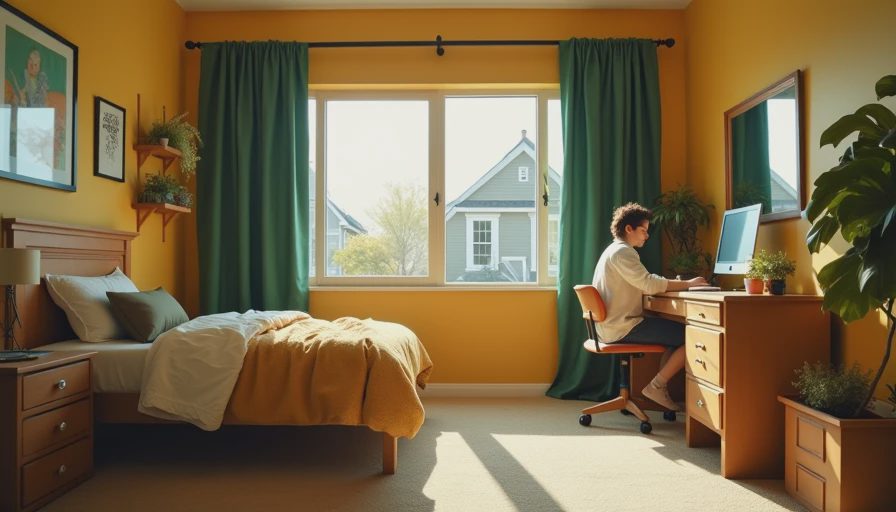
A teen bedroom needs a place for concentration, but it should not look like a miniature corporate workstation. One of my favorite approaches to teen bedroom furniture is a simple desk paired with a comfortable chair, warm task lighting, and one or two attractive storage elements.
A desk lamp with an adjustable shade reduces shadows on notebooks. Look for a lamp with a replaceable LED bulb or a built-in light rated for several thousand hours. A chair in the $80 to $180 range can be perfectly adequate if it supports an upright posture and allows feet to rest on the floor. A small footrest is helpful for younger children using an adult-height desk.
Keep screens away from the pillow if possible. A desk across the room creates a visual boundary between work and sleep, even in a 10-by-10-foot bedroom. Mounting a corkboard or magnetic rail above the desk gives schedules, art, and reminders a home without covering every wall with tape.
Shop in Layers and Protect the Budget
You do not need to buy an entire bedroom in one weekend. Start with the bed and mattress, then solve clothing storage, then add the desk and lighting. A realistic midrange plan might look like this: $250 to $600 for a bed frame, $300 to $700 for a mattress, $150 to $450 for a dresser, $100 to $300 for a desk, and $80 to $200 for a chair. Lighting, curtains, and accessories can add another $150 to $400.
When comparing teen bedroom furniture, check dimensions, delivery fees, assembly requirements, drawer construction, return rules, and warranty terms. A $250 dresser that arrives assembled may be a better value than a $180 flat-pack piece that takes three hours and requires a truck rental. Read reviews for recurring issues such as drawer alignment, chipped edges, or difficult hardware rather than focusing only on the star rating.
Buy the expensive-to-replace pieces in neutral finishes. Let personality come from bedding, art, curtains, a colorful rug, or removable wall decals. Those updates are easier to change when a favorite color shifts from lavender to forest green.
A Weekend Plan for a Better Room
This weekend, take measurements and photograph every wall. Ask the room’s occupant what currently annoys them: no place for laundry, poor reading light, a crowded desk, or clothes that never make it into the closet. Then choose one problem to solve first.
Make a short list of teen bedroom furniture with maximum widths, target prices, and delivery dates. Mark each option on your floor plan before ordering. If a piece cannot pass through the doorway, fit beside the bed, or open without hitting another item, it is not a bargain.
Finally, leave room for the person who will live there. Sophie still chooses some of the accessories in her room, even when I quietly steer the larger purchases toward durable basics. A bedroom should reflect its occupant, not just the adult who pays for it. Your bedroom does not have to be perfect. It just has to be yours.